


What's Happening?
Ghana is facing significant challenges in its HIV response due to a reduction in funding from the United States. This funding, previously provided through programs like the U.S. President’s Emergency Plan for AIDS Relief (PEPFAR) and USAID, has been a cornerstone
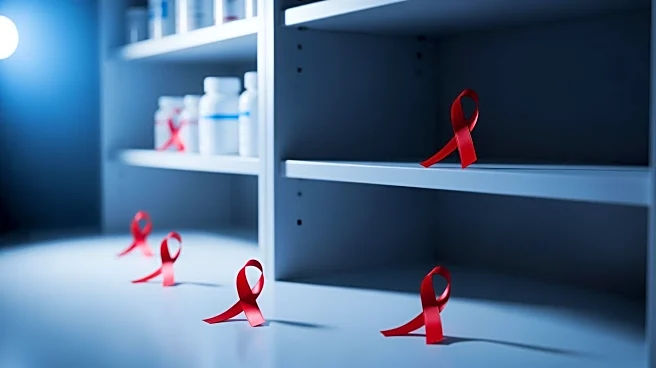
of Ghana's HIV support. The cuts have led to tangible effects on key HIV services, including supply chain disruptions for diagnostics and treatment commodities. While core antiretroviral medicines remain largely in stock, there are logistical pressures affecting their availability in regional medical stores. The funding cuts have particularly impacted community-based programs that address human rights, stigma, and outreach for marginalized groups, which are difficult to sustain with government funding alone.
Why It's Important?
The reduction in U.S. funding is significant as it forces Ghana to adapt its HIV response strategies. The cuts highlight the broader shifts in U.S. foreign health spending and underscore the need for Ghana to become more self-reliant in its health initiatives. The potential shortfall of around $78 million could affect antiretroviral supply, testing, and prevention efforts if not addressed. This situation emphasizes the importance of domestic funding initiatives and partnerships with local NGOs and international organizations to maintain essential health services. The challenge also presents an opportunity for Ghana to innovate and develop sustainable, locally-driven health solutions.
What's Next?
Ghana's government is taking steps to bridge the funding gap by prioritizing resources for HIV services and exploring domestic funding mechanisms like the Ghana Medical Trust Fund. There is also a push to operationalize the National HIV and AIDS Fund to support prevention, testing, and treatment services. The government is strengthening collaborations with local and international partners to bolster program delivery and maintain services despite reduced U.S. financial support. These efforts are part of a broader strategy to refocus health systems around resilience and self-financing, aiming to meet regional and global health targets.
Beyond the Headlines
The funding cuts and Ghana's response highlight the ethical and strategic importance of self-reliance in health systems. The situation underscores the need for innovative domestic financing strategies and the potential for local pharmaceutical production to reduce dependency on imported antiretroviral drugs. The shift towards self-reliance is not just a temporary measure but a long-term transition in how HIV programs are funded and managed. This approach could serve as a model for other countries facing similar challenges in sustaining health services amid changing international funding landscapes.