




What's Happening?
The National Oceanic and Atmospheric Administration's Climate Prediction Center is expected to officially declare an El Niño event this Thursday, June 11. El Niño is a natural climate pattern characterized by warmer-than-average sea surface temperatures
in the central and eastern tropical Pacific Ocean. This phenomenon can significantly influence global weather patterns, including those in the United States. Historically, El Niño has been associated with wetter-than-average conditions in the southern U.S. during winter and warmer temperatures across the continental U.S. The current sea temperatures in the El Niño region have reached record highs, suggesting a potentially strong event. This development follows a series of forecasts predicting a significant El Niño, which could have widespread climatic effects.
Why It's Important?
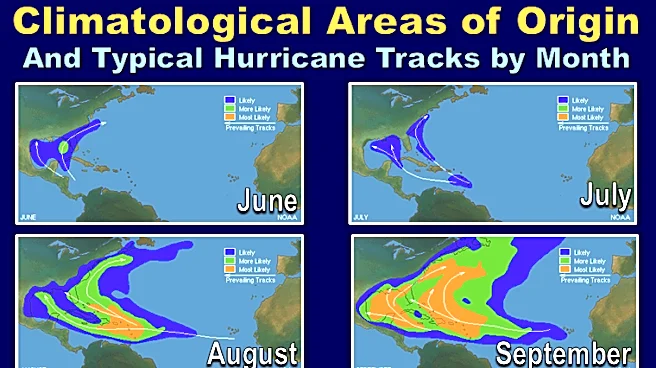
El Niño events have profound implications for weather patterns, agriculture, and economies worldwide. In the U.S., the phenomenon typically results in wetter winters in the southern states and drier conditions in the northern regions. This can affect agricultural productivity, water resource management, and energy consumption. Additionally, El Niño can suppress hurricane activity in the Atlantic, potentially reducing the risk of storm-related damages. However, it can also lead to increased storm activity in the Pacific, impacting coastal communities. The declaration of an El Niño event serves as a critical signal for governments, businesses, and individuals to prepare for potential weather-related disruptions.
What's Next?
If the El Niño is officially declared, it will likely prompt a series of advisories and forecasts from meteorological agencies, guiding preparations for the expected weather changes. Stakeholders in agriculture, disaster management, and infrastructure planning will need to assess potential impacts and adjust strategies accordingly. The event's progression will be closely monitored, with updates on its intensity and duration influencing ongoing response efforts. The United Nations has already issued warnings about the potential global impacts, emphasizing the need for coordinated international action to mitigate adverse effects.