




What's Happening?
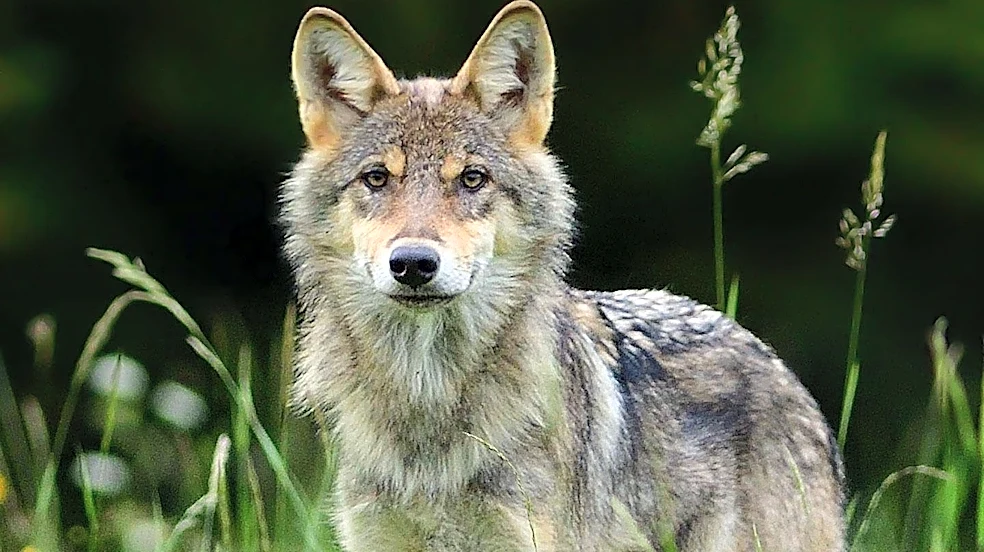
A resident in Atwater Village, Los Angeles, may face criminal charges for allegedly feeding a wild coyote that was later confirmed to have bitten a 16-month-old toddler. The California Department of Fish and Wildlife has contacted the individual and plans
to file a case with the Los Angeles city attorney's office for illegal feeding of wildlife. Residents reported that the coyote had been a nuisance since January, when a neighbor began feeding it, causing the animal to lose its fear of humans and approach homes. The coyote responsible for the attack was euthanized by state wildlife officials and confirmed through DNA analysis. Los Angeles Animal Services expressed sadness over the incident and acknowledged residents' concerns about coyote activity, noting that it is illegal to feed undomesticated mammalian predators.
Why It's Important?
This incident underscores the critical public safety and wildlife management challenges posed by human-wildlife interactions in urban environments. The potential criminal charges against the individual for feeding the coyote highlight the legal consequences of actions that alter wildlife behavior and endanger the public. When coyotes lose their natural fear of humans due to feeding, they can become aggressive and pose a threat to pets and people, as demonstrated by the attack on the toddler. This case serves as a stark reminder of the importance of adhering to wildlife feeding regulations and the broader implications for urban ecosystems. It also brings attention to the responsibilities of residents and local authorities in managing wildlife populations and ensuring community safety.
What's Next?
The California Department of Fish and Wildlife will proceed with filing a case against the alleged feeder with the Los Angeles city attorney's office. The city attorney's office will then determine whether to pursue criminal charges. This legal process will likely involve gathering further evidence and witness testimonies. Meanwhile, Los Angeles Animal Services and wildlife officials will continue to monitor coyote activity in Atwater Village and educate residents on safe practices to prevent human-wildlife conflicts. The incident may also prompt increased enforcement of wildlife feeding laws and public awareness campaigns to prevent similar occurrences in other urban areas.
Beyond the Headlines
This event delves into the complex ethical and ecological dimensions of human encroachment on wildlife habitats. The act of feeding wild animals, often driven by good intentions, can have detrimental consequences, leading to habituation, aggression, and ultimately, the need for euthanasia of the animal. This case highlights the broader issue of urban sprawl and how it forces wildlife into closer contact with human populations, necessitating careful management and public education. It also raises questions about individual responsibility versus systemic approaches to wildlife management in densely populated areas. The long-term implications include a re-evaluation of urban planning strategies, public education initiatives, and legal frameworks to foster coexistence between humans and wildlife, ensuring both public safety and animal welfare.