









What's Happening?
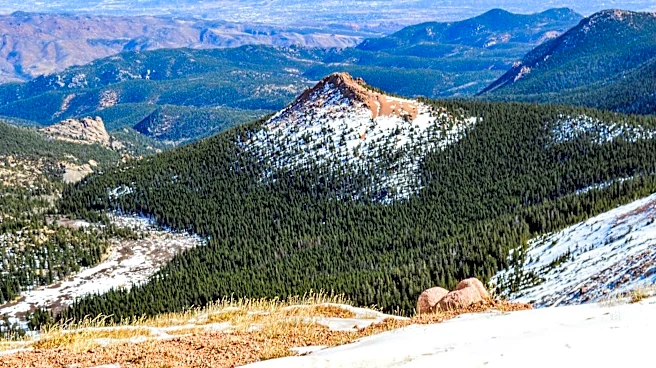
Colorado is experiencing a significant drought, which is causing stress on the state's trees and making them more susceptible to infestations by the Mountain Pine Beetle. This beetle is known for its destructive impact on forests, as it burrows into trees,
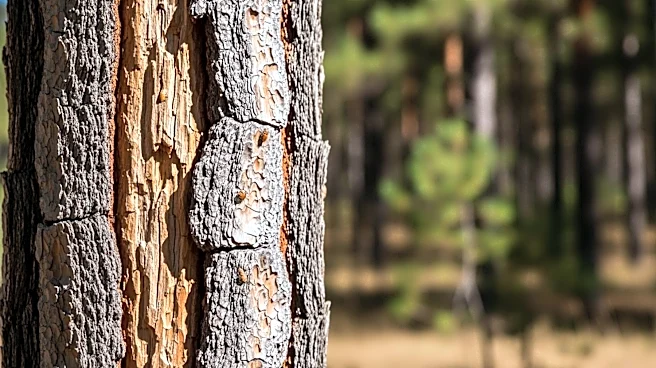
disrupting their ability to transport water and nutrients, ultimately leading to tree death. Entomologists are advising homeowners to be vigilant for signs of beetle infestation, such as pitch tubes on the bark, and to take proactive measures to treat affected trees. The drought conditions exacerbate the situation by weakening trees, making them less able to fend off beetle attacks.
Why It's Important?
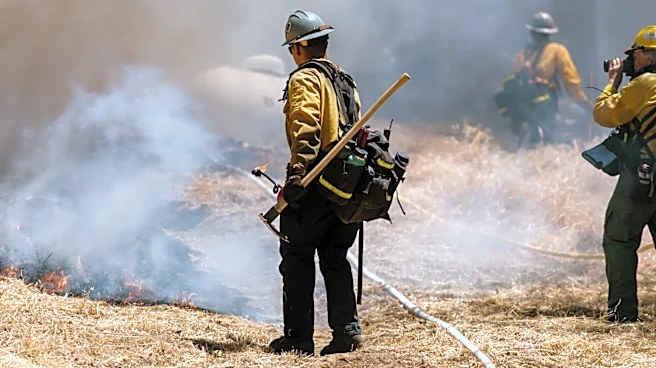
The increased vulnerability of trees to the Mountain Pine Beetle due to drought conditions poses a significant threat to Colorado's forests. This situation could lead to widespread tree mortality, affecting biodiversity, forest health, and the local ecosystem. The loss of trees can also have economic implications, impacting industries such as forestry and tourism. Additionally, dead trees increase the risk of wildfires, which can threaten communities and infrastructure. The situation underscores the need for effective forest management and climate adaptation strategies to mitigate the impacts of drought and pest infestations.
What's Next?
Homeowners and local authorities are encouraged to monitor tree health closely and implement treatment plans to manage beetle infestations. This may include removing infested trees to prevent the spread of beetles and applying insecticides where appropriate. Long-term strategies may involve enhancing forest resilience through practices such as thinning and diversifying tree species. Additionally, addressing the root causes of drought through water conservation and climate change mitigation efforts will be crucial in reducing the vulnerability of forests to pests and other stressors.