





What's Happening?
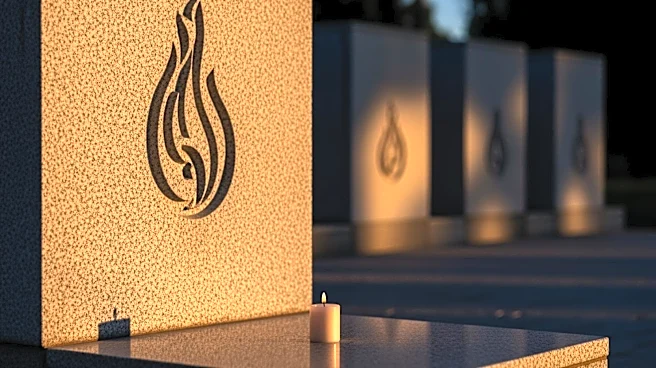
As Israel marks Yom HaShoah, the Holocaust Remembrance Day, three significant numbers stand out: 109,000, 800,000, and 20. These figures represent the number of Holocaust survivors currently living in Israel, the global Jewish population deficit since
World War II, and the number of people killed in antisemitic attacks outside Israel last year. The day is marked by a nationwide siren and ceremonies at Yad Vashem. The ongoing conflict with Hezbollah and recent ceasefire with Iran add a layer of complexity to the commemoration, as survivors face increased psychological and physical challenges.
Why It's Important?
The commemoration of Yom HaShoah is crucial for honoring the memory of the six million Jews murdered during the Holocaust and recognizing the resilience of survivors. The current geopolitical tensions in Israel, including the conflict with Hezbollah, exacerbate the vulnerabilities of Holocaust survivors, many of whom require government assistance. The day also serves as a reminder of the persistent threat of antisemitism worldwide, as highlighted by recent attacks. This underscores the need for continued vigilance and education to combat hate and promote tolerance.
What's Next?
Israel is likely to continue its efforts to support Holocaust survivors through welfare programs and medical care, especially in light of the ongoing security threats. The government and civil society may also intensify educational initiatives to raise awareness about the Holocaust and its lessons. Internationally, there may be increased collaboration to address antisemitism and promote Holocaust education, with Israel playing a central role in these efforts.
Beyond the Headlines
The challenges faced by Holocaust survivors in Israel highlight broader issues of social welfare and the impact of conflict on vulnerable populations. The day also prompts reflection on the role of memory and history in shaping national identity and policy. As antisemitism remains a global concern, Yom HaShoah serves as a call to action for societies to confront prejudice and build inclusive communities.