






What's Happening?
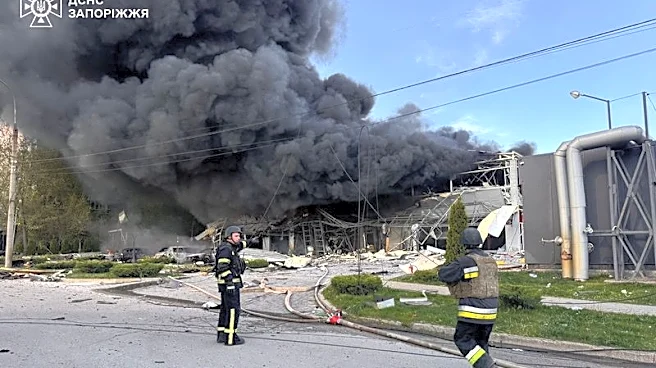
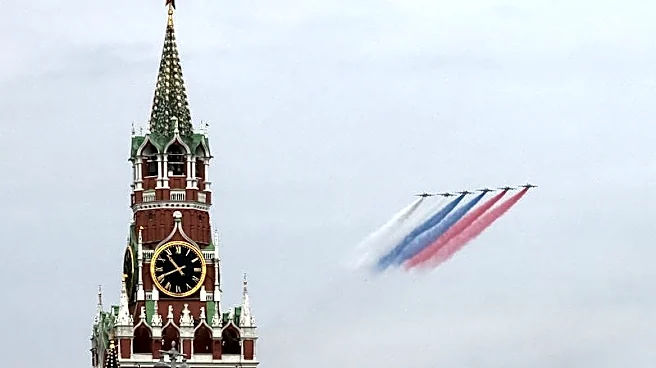
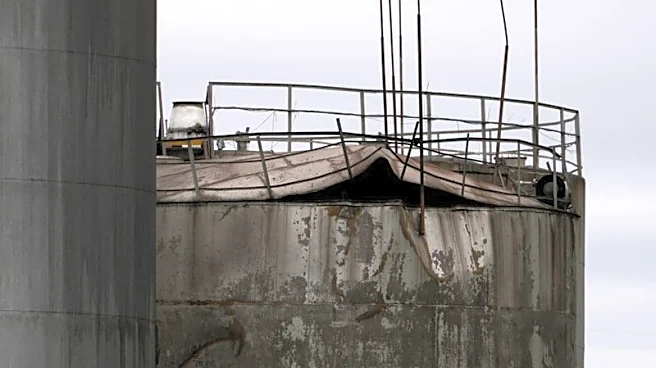
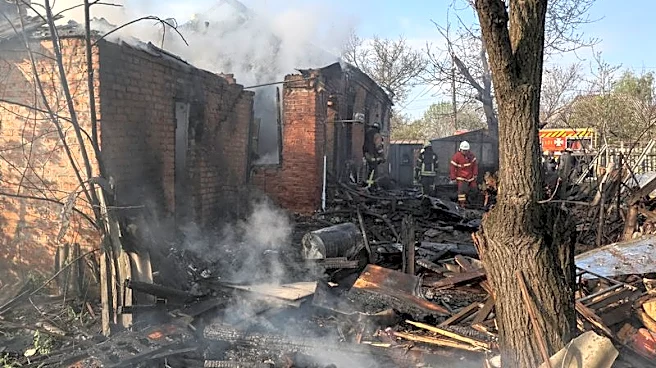
As Russia approaches its annual Victory Day celebrations, tensions are escalating due to increased Ukrainian military strikes within Russian territory. These strikes have targeted critical infrastructure, causing widespread concern among Russian civilians
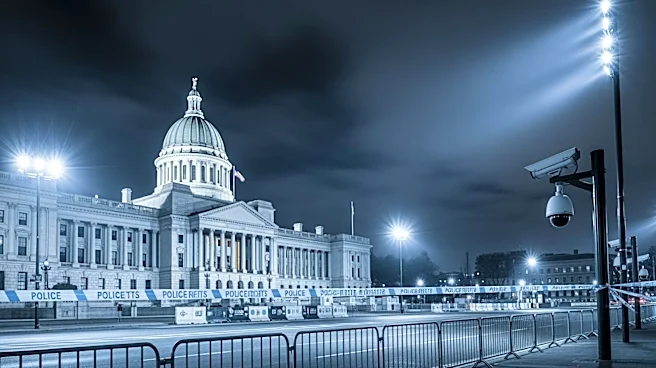
and prompting the government to heighten security measures. Reports indicate that President Vladimir Putin is spending more time in secure locations due to fears of a coup attempt. The Russian government has also canceled traditional military parades in several regions, reflecting concerns over potential Ukrainian attacks. Additionally, a journalistic investigation has uncovered a secret unit within Moscow's Bauman University, linked to Russian military intelligence, which trains operatives in cyberwarfare. This unit, known as Department No. 4, is reportedly involved in developing cyber capabilities against Western targets.
Why It's Important?
The heightened security around President Putin and the cancellation of military parades underscore the significant impact of the ongoing conflict with Ukraine on Russian domestic stability. The increased Ukrainian military capabilities, including long-range drones and missiles, pose a direct threat to Russian security, leading to a more defensive posture by the Russian government. The discovery of a secret cyberwarfare training unit highlights Russia's continued focus on cyber capabilities as a strategic tool in its confrontation with the West. These developments could further strain Russia's international relations and impact global cybersecurity dynamics. The internal dissent within the secret unit also suggests potential cracks in the Russian establishment's support for the current administration.
What's Next?
As Victory Day approaches, the Russian government is likely to maintain heightened security measures to prevent any disruptions during the celebrations. The international community will be closely monitoring the situation for any signs of escalation or further military actions. The exposure of the secret cyberwarfare unit may lead to increased scrutiny and potential countermeasures by Western nations. Additionally, the internal dissent within the Russian establishment could lead to further political instability if not addressed. The ongoing conflict with Ukraine and its domestic repercussions will continue to be a critical focus for Russian policymakers.
Beyond the Headlines
The revelations about the secret cyberwarfare unit at Bauman University raise ethical and legal questions about the use of educational institutions for military purposes. This development highlights the blurred lines between civilian and military domains in modern warfare, particularly in the realm of cyber operations. The internal dissent within the unit also points to a potential disconnect between the Russian government's public narrative and the private sentiments of its operatives. This could have long-term implications for the cohesion and effectiveness of Russia's military and intelligence apparatus.