






What's Happening?
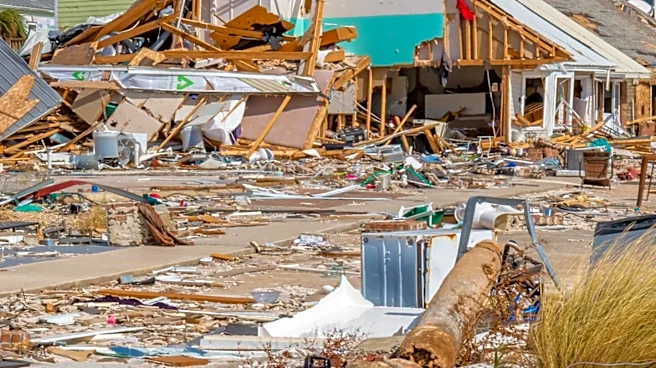
Following a devastating double earthquake in Venezuela on June 24, the death toll has risen to 6,125, with nearly 61,000 people injured. The earthquakes, measuring 7.2 and 7.5 in magnitude, have left thousands without homes. The Venezuelan government,
led by interim President Delcy Rodríguez, plans to deliver 4,000 homes by the end of the year and an additional 10,000 by 2027. However, the need for housing is estimated at 25,000 units, indicating a significant shortfall. The coastal region of La Guaira was particularly hard hit, with many residents still living in temporary camps.
Why It's Important?
The earthquakes have intensified Venezuela's existing socio-economic challenges, highlighting the country's infrastructural weaknesses and the urgent need for effective disaster response strategies. The housing crisis poses a significant challenge for the government, which must balance immediate relief efforts with long-term recovery plans. The situation could lead to increased political pressure and social unrest if the needs of the displaced population are not adequately addressed. The disaster also underscores the importance of international cooperation in providing aid and support to countries facing such crises.
What's Next?
The Venezuelan government is likely to continue its efforts to address the housing crisis, but the scale of the disaster may necessitate international assistance. The construction of new homes will be a priority, but challenges such as resource allocation and logistical issues could impede progress. The government may seek partnerships with international organizations to bolster its recovery efforts. The situation will remain a critical issue in Venezuelan politics, potentially influencing public sentiment and future policy decisions.
Beyond the Headlines
The earthquakes have highlighted the need for improved disaster preparedness and infrastructure resilience in Venezuela. The government's response will be scrutinized by both domestic and international observers, as it could influence future disaster management strategies. The crisis also raises ethical considerations regarding the role of the international community in supporting countries facing overwhelming challenges, particularly in regions vulnerable to natural disasters.