





What's Happening?
The Centers for Disease Control and Prevention (CDC) has updated its guidance for individuals at high risk of hantavirus exposure linked to a cruise ship outbreak. The new guidelines require high-risk individuals to stay home, limit contact with others,
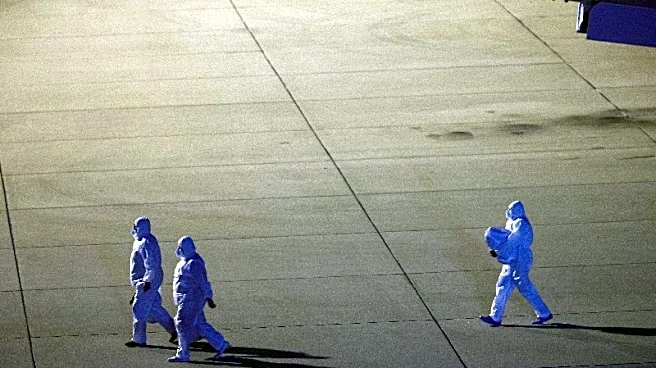
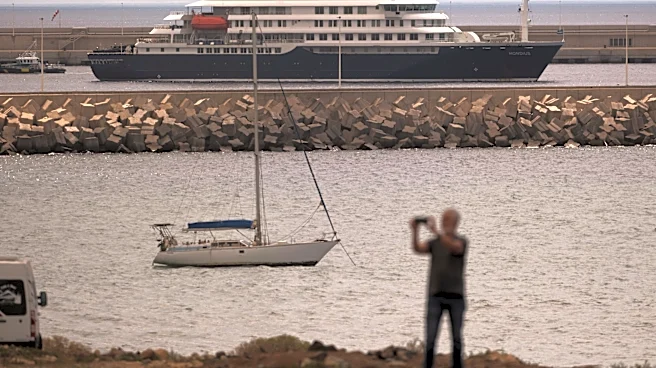
and coordinate essential travel with health departments. Monitoring has been increased to twice-daily, in-person visits by public health officials. The outbreak, linked to the Hondius cruise ship, involves the Andes strain of hantavirus, which can be transmitted between humans. No cases have been reported in the U.S. linked to the ship, but the CDC is taking precautions to prevent potential spread.
Why It's Important?
The CDC's tightened guidance reflects the delicate balance between public health safety and avoiding public backlash over perceived government overreach. The Andes strain's ability to spread between humans poses a significant threat, necessitating stringent monitoring to prevent a wider outbreak. The situation highlights the challenges of managing infectious diseases in a post-pandemic world, where public trust and compliance are critical. The CDC's actions aim to prevent a repeat of past public health crises while ensuring that the virus does not gain a foothold in the U.S.
What's Next?
The CDC will continue to monitor high-risk individuals and adjust guidelines as necessary. Public health officials are coordinating with state and local agencies to ensure compliance and effective response. The situation may lead to further discussions on public health policy and the balance between individual freedoms and community safety. The outcome of the CDC's efforts will be closely watched as a test of the agency's ability to manage emerging health threats.