






What's Happening?
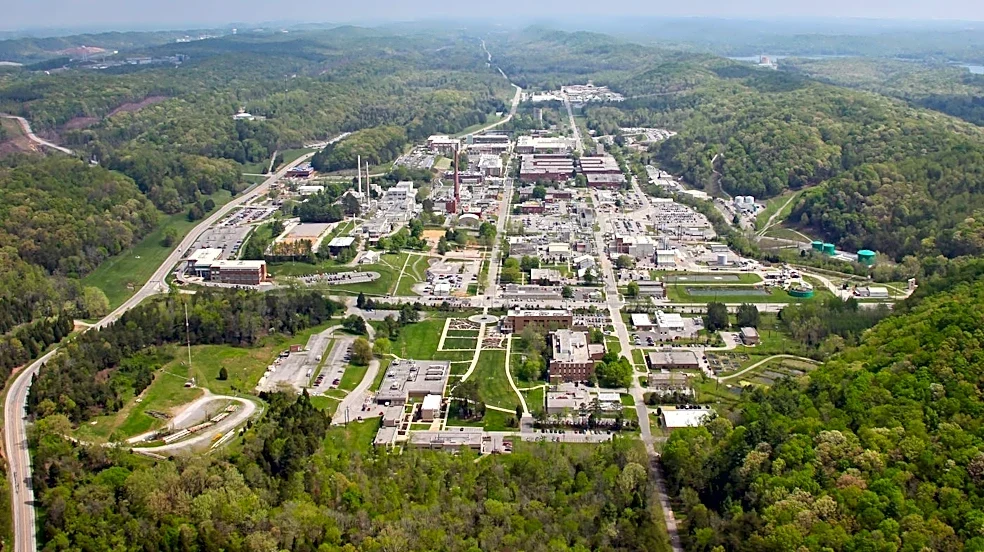
The Pacific Northwest National Laboratory (PNNL), a U.S. Department of Energy (DOE) facility, is actively seeking a Post Doctorate Research Associate/Maritime Data Analyst. This position, located in Seattle, will primarily focus on collecting, analyzing,
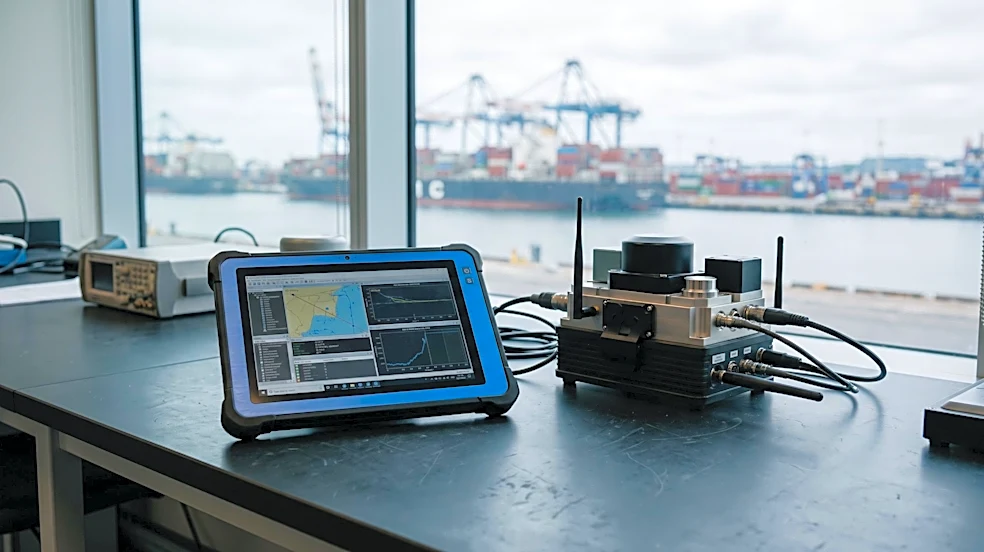
and communicating data related to the benefits of emerging maritime and port-related energy technologies. The role also involves supporting community-engaged energy innovation through the ETIPP program. Key responsibilities include evaluating the energy efficiency of traditional and hybrid electric vessels, and potentially analyzing cargo handling equipment, heavy-duty trucks, and rail. The selected candidate will develop approaches and tools to understand and evaluate the growing portfolio of maritime energy technologies, working with diverse lab staff and external stakeholders such as port agencies, vessel owner/operators, and community-based organizations. The position requires a Ph.D. obtained within the last five years or expected within the next eight months, with demonstrated knowledge of maritime infrastructure, ports, or industrial transportation technologies. The DOE prohibits employees and contractors from having affiliations with foreign governments of countries identified as 'countries of risk' without explicit approval.
Why It's Important?
This recruitment highlights the U.S. Department of Energy's commitment to advancing sustainable ocean energy and mitigating the long-term impacts of human activities, including climate change, on marine resources. The focus on maritime data analysis and emerging energy technologies is crucial for modernizing the nation's power grid, enhancing energy resilience, and improving the affordability and security of the American energy system. By investing in research and development in this sector, the DOE aims to drive innovation in renewable energy and efficiency technologies. The role's emphasis on understanding and evaluating maritime energy technologies directly supports national security by protecting coastal environments from threats and ensuring a robust energy infrastructure. The prohibition on affiliations with 'countries of risk' underscores the strategic importance of this research and the need to safeguard sensitive national interests in energy and environmental management.
What's Next?
The hiring process for the Post Doctorate Research Associate/Maritime Data Analyst position will continue, with PNNL evaluating candidates who meet the specified qualifications. The successful applicant will contribute to ongoing research at PNNL-Sequim, the DOE's only marine research laboratory, which is critical to the nation's energy, environmental, and security future. Their work will involve developing data collection systems, managing data infrastructure, and conducting analyses on energy consumption, power demand, and alternative powertrain feasibility for maritime applications. The findings from this research are expected to be published in scientific journals and sponsor reports, influencing future policy and investment in sustainable ocean energy and maritime technology. The DOE's continued emphasis on these areas suggests further initiatives and collaborations aimed at strengthening the nation's energy independence and environmental stewardship.
Beyond the Headlines
The initiative to hire a specialized maritime data analyst reflects a broader strategic shift towards data-driven decision-making in critical infrastructure sectors. The integration of advanced data analytics and emerging energy technologies in the maritime domain has profound implications for global trade, environmental sustainability, and national security. Beyond the immediate benefits of improved energy efficiency and reduced environmental impact, this research could lead to the development of entirely new maritime operational paradigms. The ethical considerations surrounding data privacy and security in such critical infrastructure, especially concerning potential foreign influence, are paramount. This role also underscores the interdisciplinary nature of modern scientific research, combining engineering, environmental science, and data analytics to address complex national challenges. The long-term success of these efforts could position the U.S. as a leader in sustainable maritime practices and ocean energy development.