









What's Happening?
Thomas Donnelly, a 21-year-old student from the University of Cincinnati, died after falling into a creek during a hiking trip in Tucker County, West Virginia. Donnelly was part of an eight-member group from the UC Mountaineering Club hiking in the Red
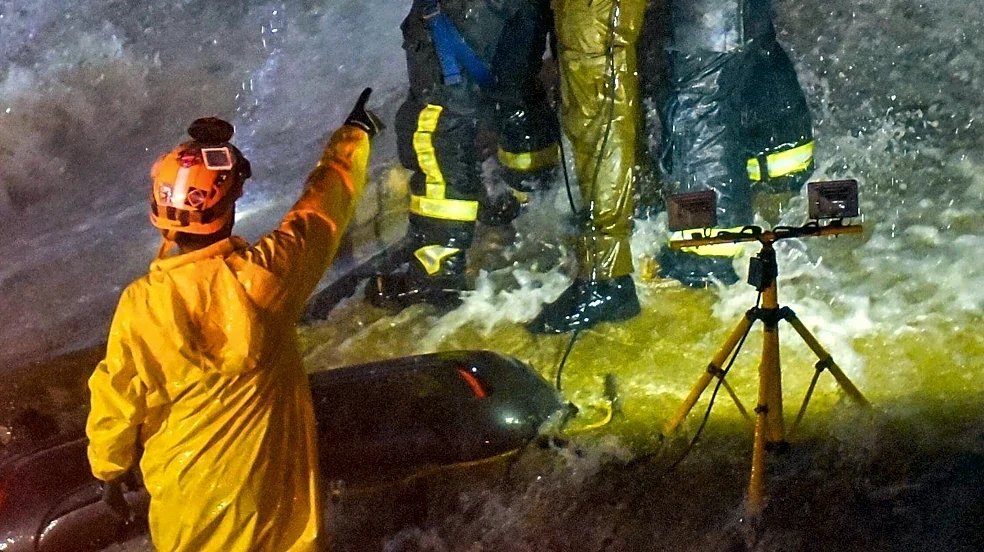
Creek Trail and Fisher Springs Trail area on October 9. The group encountered elevated water levels and swift currents while attempting to cross a creek. Donnelly lost his footing and was swept downstream. A 911 call was made on October 11 to report him missing. Search-and-rescue efforts began but were suspended that evening due to inclement weather and diminishing daylight. The search resumed the following day, and Donnelly's body was recovered around 2 p.m. on October 12. UC Dean of Students Shaka Sydnor released a statement expressing the profound sadness and impact of this loss on the Bearcat community.
Why It's Important?
This tragic incident underscores the inherent risks associated with outdoor recreational activities, particularly in challenging natural environments. It highlights the critical importance of assessing weather conditions, water levels, and personal safety measures before and during hiking and mountaineering excursions. For university outdoor clubs, this event may prompt a review of safety protocols, risk assessment procedures, and emergency response plans to prevent similar tragedies. The loss of a student has a significant emotional impact on the university community, affecting classmates, friends, and faculty, and can lead to increased awareness and discussions about mental health support and grief counseling services. Furthermore, it serves as a somber reminder for all outdoor enthusiasts to prioritize safety, be prepared for unexpected conditions, and understand the limitations of their environment.
What's Next?
The University of Cincinnati and its Mountaineering Club may undertake a comprehensive review of their safety guidelines and practices for outdoor trips. This could involve re-evaluating trip planning, participant training, equipment requirements, and communication protocols for remote areas. There may also be increased emphasis on pre-trip briefings regarding environmental hazards and emergency procedures. The incident could lead to broader discussions within the outdoor recreation community about best practices for navigating challenging terrain and water crossings. Additionally, the university will likely continue to provide support services, such as counseling and memorial events, to help students and staff cope with the loss of Thomas Donnelly. Local authorities may also issue advisories regarding hiking safety in the affected area, especially concerning water conditions.
Beyond the Headlines
Beyond the immediate tragedy, this event brings to light the broader societal implications of outdoor adventure and risk-taking. It prompts reflection on the balance between the pursuit of challenging experiences and the imperative of safety. For educational institutions, there's a delicate balance in fostering student independence and exploration while ensuring adequate oversight and risk management for club activities. The incident also highlights the role of search and rescue operations, often conducted by volunteers and emergency services, in remote and dangerous conditions. It underscores the need for public awareness campaigns about outdoor safety, including the importance of informing others of one's itinerary, carrying appropriate gear, and understanding local weather patterns. This incident could also influence insurance policies and liability considerations for organizations sponsoring outdoor activities.