







What's Happening?
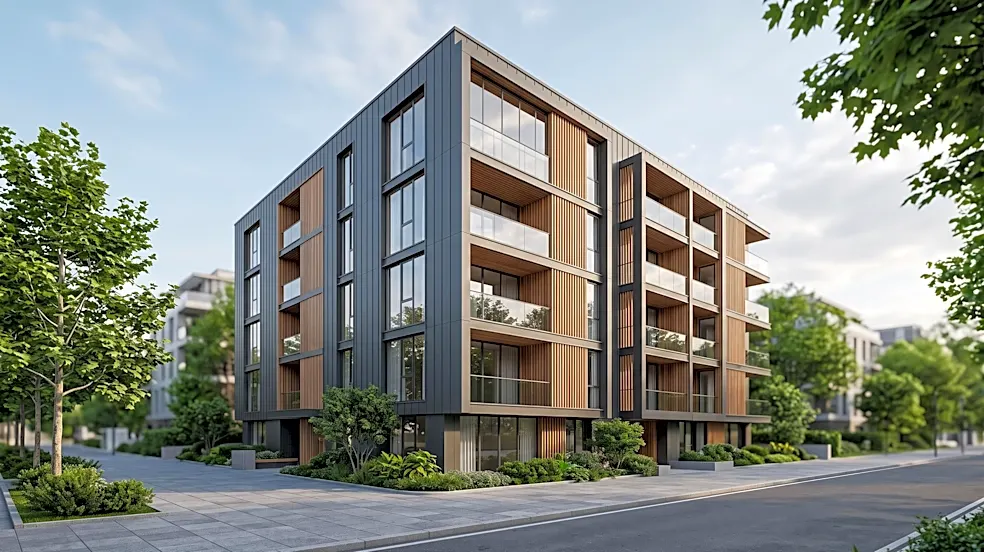
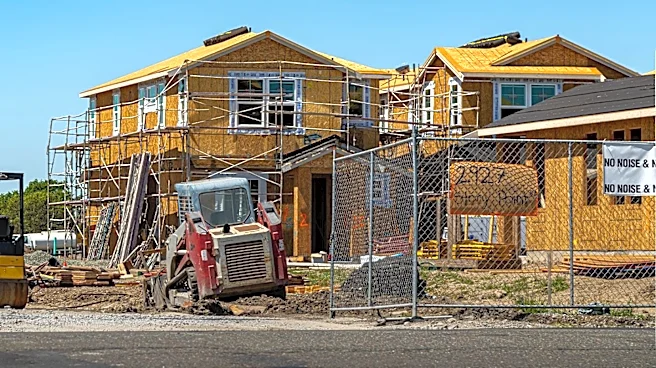
Wallick, an Ohio-based developer, has commenced construction on Homestead Crossing Apartments, a $36 million affordable housing project in Youngstown, Ohio. The development, located at 800 E. Indianola Ave., will feature 120 apartment units across five
three-story buildings, with completion expected in approximately 18 months. This project marks Wallick's first venture in northeastern Ohio and is notable for being one of the first in the state to utilize the Ohio Low Income Housing Tax Credit in conjunction with federal housing tax credits. The apartments are designed for families earning up to 60% of the area median income in Mahoning County, which is about $52,000, and rents will be capped to ensure residents spend no more than 30% of their income on housing. The site previously housed the Woodside Receiving Hospital and Lincoln Behavioral Center.
Why It's Important?
This affordable housing initiative is crucial for addressing the housing crisis in Ohio, particularly in Youngstown, which has not seen this level of investment in some time. The project provides much-needed affordable living options for families, ensuring that housing costs remain manageable relative to income. By leveraging both state and federal housing tax credits, Wallick is setting a precedent for future affordable housing developments in Ohio, offering a new financing model to tackle the issue. The development is expected to have a lasting positive impact on the community by providing stable housing, which is a fundamental component of economic stability and social well-being. It also signifies a revitalization of a previously underutilized site, contributing to urban renewal efforts.
What's Next?
Construction of the Homestead Crossing Apartments is projected to be completed within 18 months, after which residents will be able to move in. The successful implementation of this project could serve as a model for other developers and communities looking to address affordable housing shortages, particularly through the combined use of state and federal tax credits. Local officials and community leaders will likely monitor the project's impact on the area and potentially seek to replicate its success. The long-term affordability commitment of at least 30 years will ensure sustained benefits for the community. Further developments in affordable housing policy and funding mechanisms in Ohio may also emerge as a result of this project's innovative financing approach.
Beyond the Headlines
The Homestead Crossing Apartments project highlights a broader shift in how affordable housing is being financed and developed in the U.S. The innovative use of both Ohio Low Income Housing Tax Credits and federal housing tax credits demonstrates a collaborative approach between state and federal entities to address a critical social need. This model could inspire similar initiatives nationwide, fostering more sustainable and accessible housing solutions. Furthermore, the project's focus on capping rents at 30% of income reflects a growing recognition of the importance of housing affordability as a key determinant of economic equity and social mobility. It also underscores the potential for redeveloping former institutional sites into beneficial community assets, contributing to urban regeneration and sustainable land use.