


What's Happening?
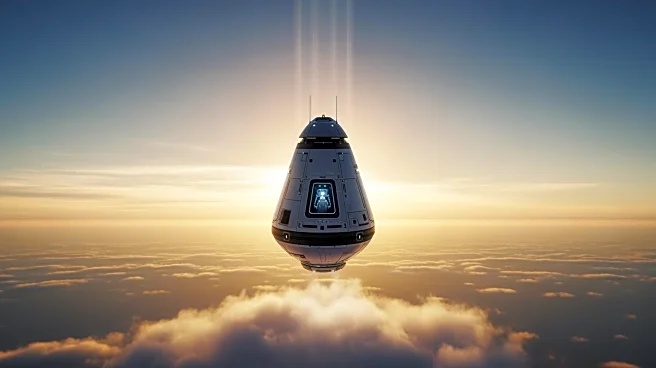
Astronauts from the International Space Station (ISS) have returned to Earth after their mission was cut short due to a medical emergency involving one of the crew members. The spacecraft landed off the coast of California, and the affected astronaut
is in stable condition but requires treatment that is not available on the ISS. The mission's early termination underscores the challenges of providing medical care in space. The crew will undergo rehabilitation to recover from the physical effects of prolonged space travel, which include muscle atrophy and bone density loss. NASA's research, including studies on identical twins, has highlighted the significant impacts of space on the human body, categorized under the 'RIDGE' system: Radiation, Isolation, Distance from Earth, Gravity fields, and Hostile Environments.
Why It's Important?
The incident emphasizes the inherent risks of space travel, particularly concerning health and safety. Astronauts are exposed to higher levels of radiation, which can increase the risk of cancer and other degenerative diseases. The isolation and confinement of space missions can disrupt circadian rhythms, leading to stress and potential cardiovascular issues. The physical effects of microgravity, such as muscle and bone loss, require extensive rehabilitation upon return to Earth. This situation highlights the need for advanced medical solutions and protocols to address health emergencies in space, which is crucial as space agencies plan longer missions, including potential trips to Mars.
What's Next?
The affected astronaut will receive medical treatment on Earth, while the rest of the crew will begin a rehabilitation program to recover from the effects of their time in space. NASA will likely review and possibly enhance its medical protocols for space missions to better handle emergencies. This event may prompt further research into mitigating the health risks associated with long-duration space travel, potentially influencing future mission planning and the development of new technologies to support astronaut health.
Beyond the Headlines
The return of the ISS crew due to a medical emergency brings attention to the broader implications of human space exploration. It raises ethical questions about the risks astronauts face and the responsibilities of space agencies to ensure their safety. The incident may also influence public perception of space travel, highlighting the need for transparency and preparedness in handling health crises. As space exploration advances, the development of robust medical infrastructure and support systems will be critical to ensuring the well-being of astronauts on extended missions.