
What's Happening?
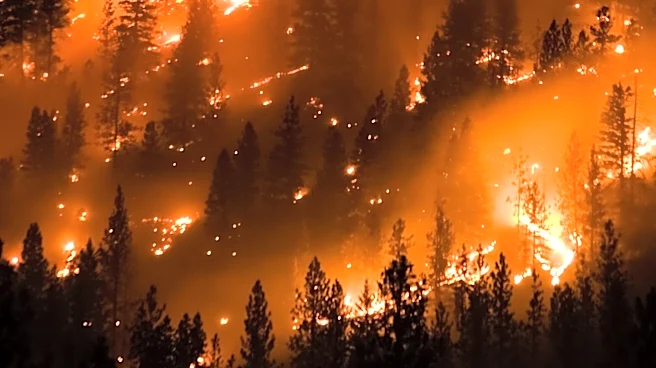
The increasing trend of multibillion-dollar wildfire litigation is creating significant challenges for prescribed burn programs across the United States. Following incidents like the Hermit’s Peak/Calf
Canyon Fire in New Mexico, which became the state's largest wildfire after two prescribed burns escaped control, there's growing concern about liability. While federal employees are largely shielded from personal liability under the Federal Tort Claims Act, the U.S. government can face substantial claims. Private contractors, landowners, and non-profit organizations conducting prescribed burns face heightened legal risks, with some reporting loss of insurance coverage or soaring premiums. This has led to a shift in practices, with some federal firefighters expressing reluctance to conduct complex burns and an increase in less risky pile burning methods. An Inside Climate News analysis of federal data shows no overall decline in prescribed burn acreage, but a notable increase in pile burns post-Hermit’s Peak/Calf Canyon incident. State and private lands, which account for 84% of prescribed burns, are particularly vulnerable to these liability concerns due to less consistent legal protections.
Why It's Important?
The impact of wildfire litigation on prescribed burning is critical for U.S. forest management and public safety. Prescribed burns are a vital tool for reducing the risk of catastrophic wildfires by clearing accumulated fuel, improving ecosystem resilience, and are supported by federal strategies like the 2000 National Fire Plan. If liability concerns deter these essential practices, it could lead to more severe and frequent uncontrolled wildfires, posing greater threats to communities, infrastructure, and natural resources. The financial burden of wildfire damages, already in the billions, could escalate further. The reluctance of practitioners to conduct necessary burns, especially complex ones in high-risk areas near communities, undermines proactive wildfire prevention efforts. This situation also highlights a disparity in legal protections between federal and non-federal entities, potentially creating an uneven landscape for wildfire mitigation efforts across different land ownerships.
What's Next?
In response to growing concerns, various stakeholders are working to address the liability challenges. Prescribed fire councils across the country are liaising with governments to change state wildfire negligence standards, create burn boss certification programs, and establish funds to cover damages from escaped burns. States like California, Colorado, Oregon, and Washington have introduced training programs and are implementing more protective liability standards for certified burners, along with establishing liability funds. Proposed federal legislation, such as the National Prescribed Fire and Fix Our Forests acts, may include provisions to extend Federal Tort Claims Act protections to non-federal cooperators working on federal lands. However, states like New Mexico, which have experienced major prescribed burn escapes, face significant setbacks in advancing these practices. The ongoing legal battles and appeals related to past wildfire incidents will also continue to shape the legal landscape and influence future policy decisions regarding prescribed fire liability.
Beyond the Headlines
The escalating liability concerns surrounding prescribed burns reveal deeper systemic issues within U.S. wildfire management. Beyond the immediate financial and legal implications, there's a tension between the recognized ecological necessity of fire and the societal demand for absolute safety and accountability. This situation underscores the ethical dilemma faced by land managers: the controlled risk of prescribed burns versus the uncontrolled, often devastating, risk of megafires. The shift towards less effective pile burning over broadcast burning, driven by liability fears, could lead to less comprehensive fuel reduction across landscapes. Furthermore, the increasing difficulty in obtaining insurance for prescribed burn operations could marginalize smaller private entities and non-profits, centralizing fire management more heavily within federal agencies. This also highlights the need for a broader public understanding and acceptance of prescribed fire as a critical, albeit inherently risky, tool for landscape health and community protection, especially as climate change continues to exacerbate wildfire conditions.