





What's Happening?
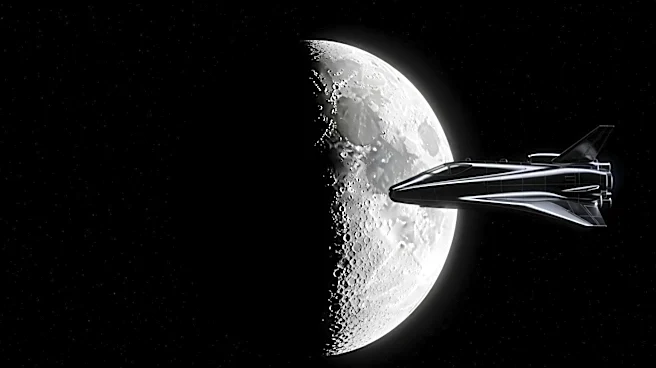
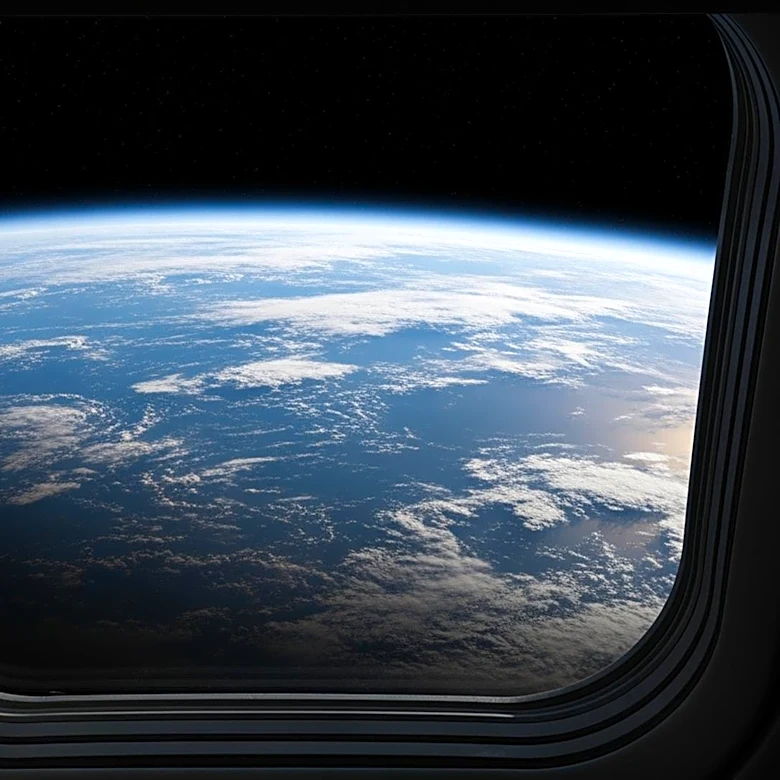
NASA's Artemis II mission has released the first images from its historic lunar flyby, showcasing regions of the Moon never before seen by humans. The crew, consisting of astronauts Reid Wiseman, Victor Glover, Christina Koch, and Canadian astronaut Jeremy
Hansen, captured images of a rare in-space solar eclipse and the Moon's far side. These images provide new insights into the Moon's geological features, including impact craters and ancient lava flows. The mission marks a significant milestone in NASA's efforts to return humans to the Moon and eventually to Mars.
Why It's Important?
The Artemis II mission is a critical step in NASA's Artemis program, designed to test deep-space systems with astronauts aboard. The images and data collected during the mission will enhance scientific understanding of the Moon's geology and inform future exploration strategies. The mission also serves as a public engagement tool, using social media to connect with audiences and inspire interest in space exploration. The success of Artemis II lays the groundwork for subsequent missions, including Artemis III, which aims to land astronauts on the lunar surface.
What's Next?
The Artemis II crew is currently on their return journey to Earth, with a scheduled splashdown off the coast of San Diego. The mission's success will inform the next stages of the Artemis program, including Artemis III, which plans to land astronauts on the Moon. NASA continues to analyze the data and images collected during the mission to refine future mission plans and enhance scientific understanding of the Moon. The Artemis program aims to establish a sustainable human presence on the Moon, serving as a stepping stone for future missions to Mars.