





What's Happening?
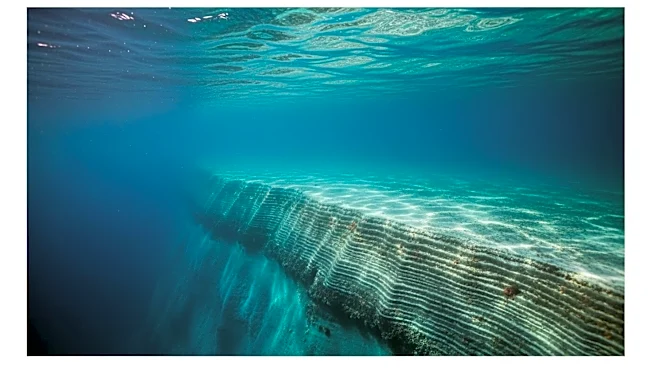
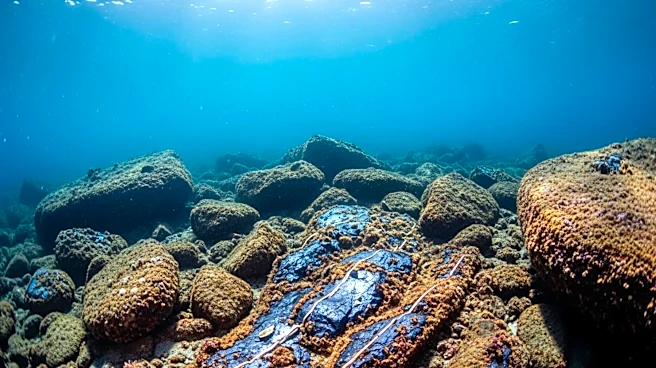
In early 2026, a team of scientists confirmed the existence of a massive freshwater reservoir beneath the Atlantic seafloor, stretching from offshore New Jersey to Maine. This discovery was made during a drilling expedition near Nantucket and Martha’s
Vineyard, where researchers recovered low-salinity water from sediments up to 1,300 feet below the seafloor. The reservoir is estimated to hold enough water to supply a population the size of New York City for approximately 800 years. The water is believed to date back to the last ice age, trapped in sediments as sea levels shifted. While this discovery could significantly address the global water crisis, accessing the reservoir is complex and costly, with potential environmental impacts. Researchers are currently focused on understanding the reservoir's size, connection to land aquifers, and natural replenishment.
Why It's Important?
The discovery of this massive freshwater reservoir could have profound implications for addressing water shortages, particularly in the United States, where drought conditions are increasingly severe. With water systems under unprecedented pressure globally, this reservoir offers a potential long-term solution. However, the complexity and cost of accessing the water, along with potential environmental impacts, pose significant challenges. If successfully tapped, this resource could alleviate water scarcity for millions, impacting agriculture, industry, and daily life. The discovery also underscores the importance of continued scientific exploration and innovation in solving critical resource challenges.
What's Next?
Researchers are currently focused on determining the reservoir's full extent and understanding its connection to existing freshwater systems. This involves assessing whether the reservoir is being naturally replenished and how it can be accessed without harming marine ecosystems. Future steps may include developing technologies and strategies for sustainable extraction. Additionally, policymakers and environmental groups will likely engage in discussions about the potential use of this resource, balancing immediate needs with long-term environmental stewardship.