







What's Happening?
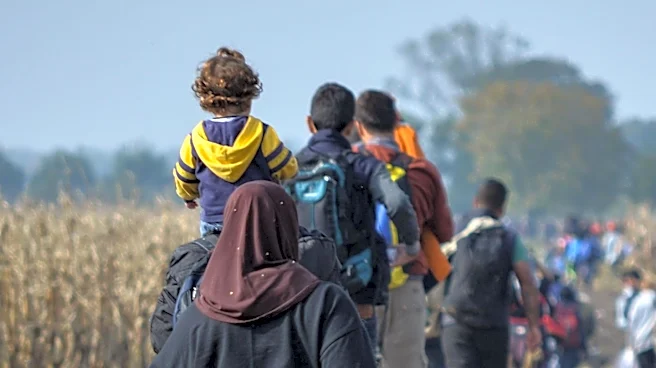
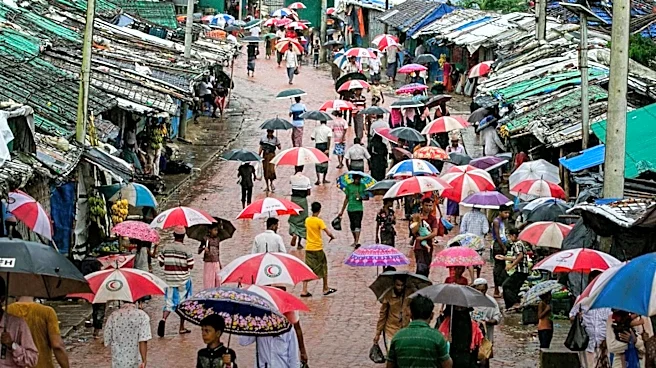
The United Nations refugee agency (UNHCR) has issued a stark warning regarding a severe funding crisis that could leave approximately 8.3 million refugees and forcibly displaced people without essential assistance this year. The agency is facing a significant
funding gap of $5.789 billion, with available funds decreasing by 24% between 2024 and 2025. As of July, UNHCR had only received 32% of the $8.505 billion required for 2026. This comes as the global population under its mandate is projected to reach 131.2 million by year-end, an increase from 129.4 million at the end of last year. The agency's 26-page report details the impact of budget cuts on critical services such as refugee registration, child protection programs, and support for survivors of gender-based violence. UNHCR has already implemented cost-saving measures, including a 33% workforce reduction in 2025, closing offices in 140 locations, and discontinuing operations in 15 countries compared to 2024.
Why It's Important?
This funding crisis has profound implications for global humanitarian efforts and the stability of regions hosting large displaced populations. The United States, as a significant donor, contributes to the overall funding landscape, and any cuts from the U.S. or other major countries directly impact UNHCR's capacity. The erosion of protection systems due to reduced funding increases the risk of refugees remaining undocumented and vulnerable individuals, particularly survivors of gender-based violence, being left without crucial support. This situation can exacerbate existing humanitarian crises, potentially leading to increased instability and further displacement. The report highlights specific consequences, such as registration delays for 319,000 people in Chad and 140,000 refugees in Sudan, and a reduction in grants for returnees to Afghanistan. The growing share of tightly earmarked donor funding, which reached 51% in 2026 from 19% five years prior, further limits UNHCR's flexibility to allocate resources to the most urgent priorities, hindering effective crisis response.
What's Next?
UNHCR will continue to appeal for increased funding from international donors to address the $5.789 billion gap. The agency's report serves as a call to action for member states to reconsider aid cuts and provide more flexible, unearmarked contributions. Without a significant increase in funding, the agency anticipates further deterioration of protection systems and a heightened risk of human rights violations for millions of displaced individuals. The international community will likely face continued pressure to respond to the growing humanitarian needs, especially as the number of forcibly displaced and stateless people globally remains at near-record levels. The long-term consequences could include increased regional instability, greater strain on host countries, and a potential rise in undocumented populations, posing complex challenges for international governance and security.
Beyond the Headlines
The deepening funding crisis for UNHCR underscores a broader challenge in international humanitarian aid: the increasing demand for assistance coupled with fluctuating political will and economic pressures from donor countries. The shift towards more tightly earmarked funding, while seemingly offering donors greater control, paradoxically limits the agility and effectiveness of humanitarian organizations in responding to dynamic and multifaceted crises. This trend can lead to critical gaps in funding for less visible but equally vital programs, and it can hinder the ability to adapt to emerging needs. The potential collapse of protection systems, as warned by UNHCR, highlights a fundamental ethical dilemma for the international community: how to uphold universal human rights and provide basic dignity to displaced populations when financial resources are constrained and political priorities diverge. The long-term implications could include a re-evaluation of international aid structures and the need for more sustainable and predictable funding mechanisms.