







What's Happening?
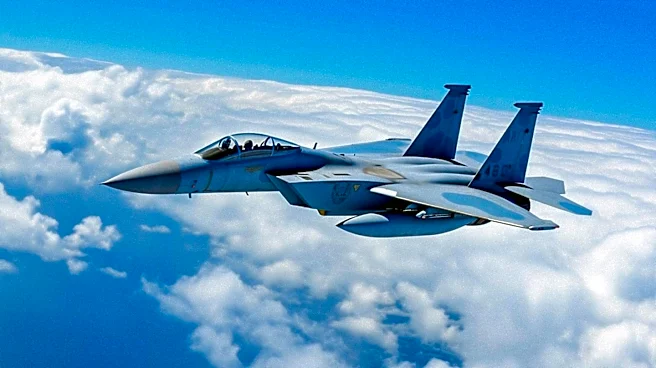
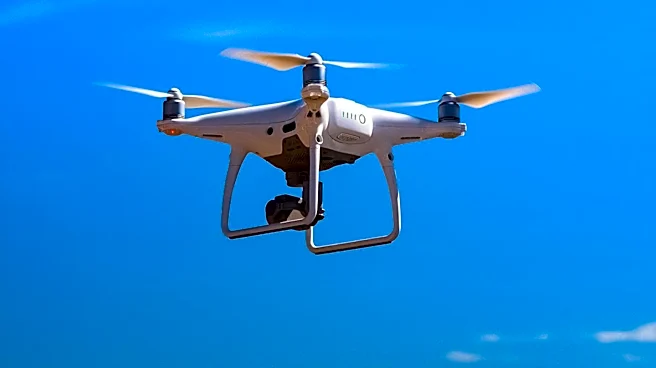
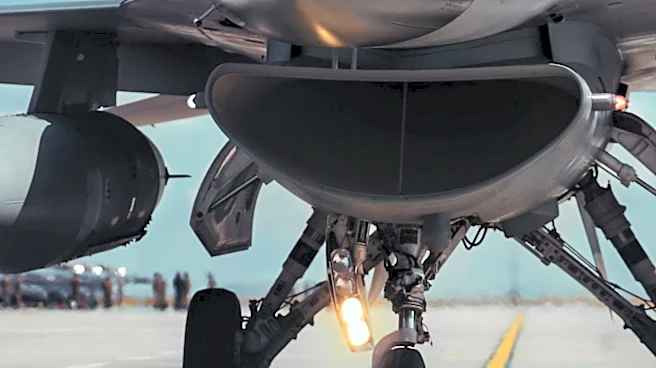
On July 25, 2026, a NATO F-16 fighter jet intercepted and shot down a drone over Romanian airspace. This incident marks the second occurrence of such an interception in two days. The Romanian Defense Ministry confirmed that the drone was safely neutralized
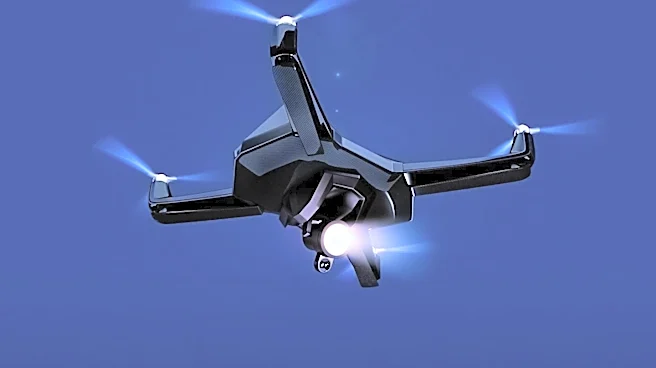
in an unpopulated area near the border. The drone was identified as a Shahed-type, commonly used by Russian forces. The Romanian President commended the military's prompt response to the airspace breach. This event underscores the ongoing regional tensions and the vigilance required by NATO forces in Eastern Europe.
Why It's Important?
The interception of the drone by NATO forces is significant as it underscores the heightened security measures and vigilance required in Eastern Europe due to ongoing regional tensions. The use of Shahed-type drones, associated with Russian forces, highlights the persistent threat and the need for robust defense mechanisms. This incident could potentially escalate diplomatic tensions between NATO and Russia, impacting international relations and security policies. The swift military response also demonstrates NATO's commitment to protecting its member states' airspace, which is crucial for maintaining regional stability.
What's Next?
Following the interception, it is likely that NATO and Romanian defense officials will review and possibly enhance their airspace security protocols to prevent future breaches. Diplomatic discussions between NATO and Russia may also occur to address the incident and prevent escalation. Additionally, NATO member states might increase their military presence and surveillance in the region to deter further incursions. The situation could lead to increased diplomatic engagements to ensure regional peace and stability.
Beyond the Headlines
The interception of the drone raises questions about the legal and ethical implications of airspace violations and the use of military force in such scenarios. It also highlights the technological advancements in drone warfare and the challenges they pose to traditional defense systems. The incident may prompt discussions on international laws governing airspace and the use of unmanned aerial vehicles in conflict zones. Furthermore, it could influence future defense strategies and the development of counter-drone technologies.