


What's Happening?
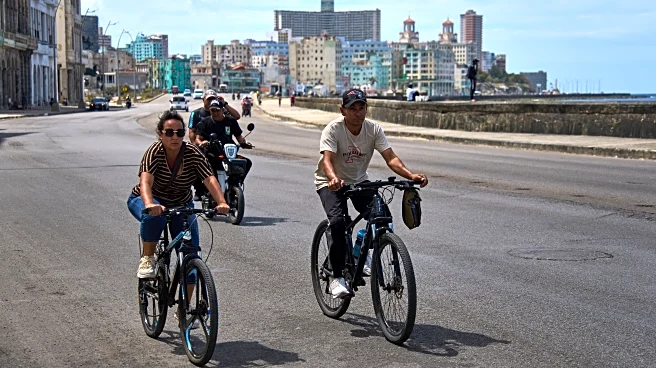
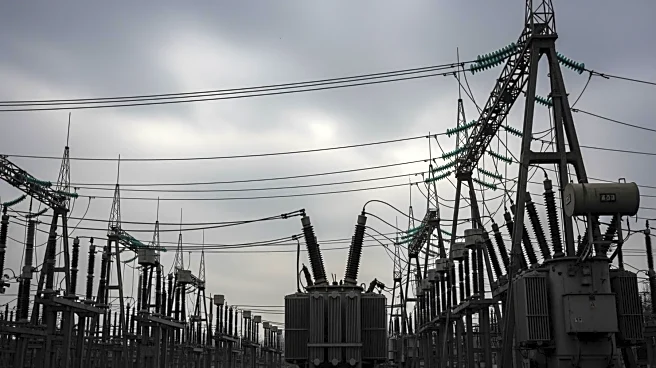
Cuba's national electric grid collapsed on March 16, leaving approximately 10 million people without power. This incident is attributed to a U.S.-imposed oil blockade that has severely impacted the island's already outdated power generation system. The
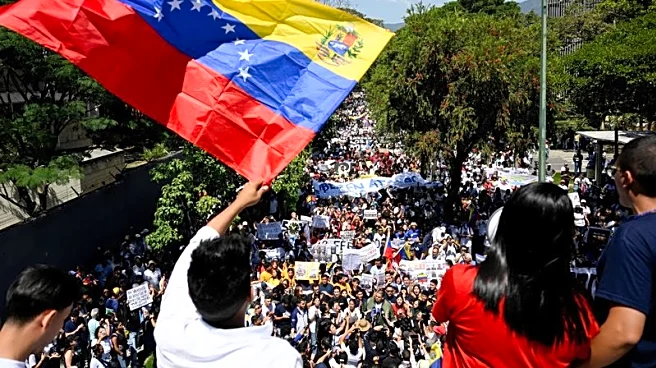
blockade is part of increased U.S. pressure on Cuba following the capture of Venezuelan President Nicolas Maduro, a key ally and oil supplier to Cuba. President Trump has halted Venezuelan oil shipments to Cuba and threatened tariffs on any country that supplies oil to the island. As a result, Cuba has experienced a significant reduction in oil imports, with only two small shipments received this year. The lack of fuel has led to widespread power outages, sparking protests in the country. Cuba is currently in talks with the U.S. to resolve the crisis, as the situation threatens to destabilize the island further.
Why It's Important?
The collapse of Cuba's electric grid highlights the broader geopolitical tensions between the U.S. and Cuba, exacerbated by the U.S.'s strategic use of economic sanctions. The blockade not only affects Cuba's energy infrastructure but also has significant humanitarian implications, as millions of Cubans face prolonged power outages. This situation underscores the complex interplay between foreign policy and humanitarian concerns, as the U.S. seeks to leverage economic pressure to influence political outcomes in Cuba. The blockade also reflects the U.S.'s broader strategy in the region, particularly in its dealings with Venezuela, and raises questions about the effectiveness and ethical implications of using economic sanctions as a tool of foreign policy.
What's Next?
Cuba's ongoing negotiations with the U.S. could lead to a potential easing of the blockade if a diplomatic resolution is reached. However, the outcome remains uncertain, as both countries have historically had strained relations. The situation may prompt other countries to reconsider their stance on supplying oil to Cuba, weighing the risk of U.S. tariffs against humanitarian concerns. Additionally, the Cuban government may seek alternative energy solutions or allies to mitigate the impact of the blockade. The international community will likely monitor the situation closely, as it could have broader implications for regional stability and U.S.-Cuba relations.