





What's Happening?
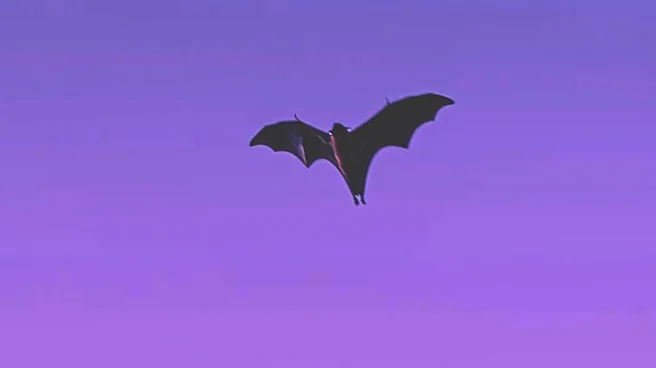
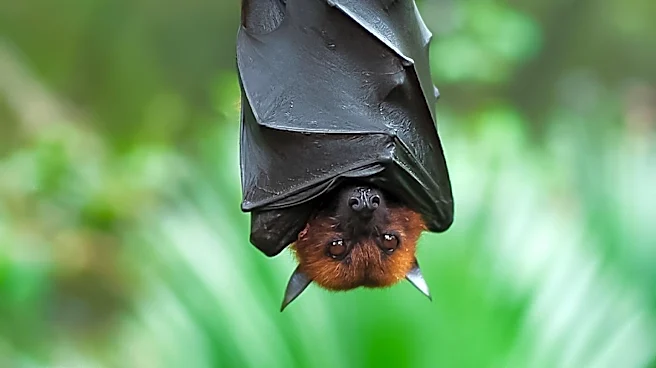
The Vermont Fish & Wildlife Department (VTF&W) is urging Vermonters to engage in bat conservation efforts as fall approaches, a critical time for the state's nine native bat species. The department highlights that fall and spring are ideal periods for safely
removing bats from homes and other structures, as bats migrate during these seasons and do not have vulnerable young. VTF&W provides guidelines on its website for safe eviction practices. Additionally, the department encourages reporting large bat colonies in structures, especially those of the endangered little brown bat, as these locations may be eligible for free bat houses. Since 2014, 158 free bat houses have been distributed, with over half now occupied by more than 1,700 endangered bats. The initiative aims to provide alternative roosting sites for bats, which play a vital role in controlling insect populations. The department also promotes 'Bat Week' from October 24-31 to raise awareness about bats' ecological importance and dispel common myths.
Why It's Important?
The VTF&W's bat conservation program is crucial for maintaining ecological balance and biodiversity in Vermont. Bats are significant natural pest controllers, consuming large quantities of insects that can be detrimental to forests, agriculture, and human health. The decline of bat populations, particularly endangered species like the little brown bat, can lead to an increase in insect-borne diseases and agricultural damage, impacting both public health and the state's economy. By providing safe eviction methods and alternative habitats through bat houses, the program helps mitigate human-wildlife conflicts while supporting the recovery of threatened bat species. This initiative also educates the public on the ecological value of bats, fostering a greater understanding and appreciation for these often-misunderstood creatures, which is essential for long-term conservation success.
What's Next?
The Vermont Fish & Wildlife Department will continue its efforts to promote bat conservation, particularly through the 'Bat Week' initiative from October 24-31, which aims to educate the public and dispel misinformation. Vermonters are encouraged to visit the official Bat Week website or contact Alyssa Bennett, Small Mammals Biologist, for more information on how to contribute to bat conservation. The department will also likely continue its program of providing free bat houses to locations with rare colonies of endangered little brown bats. Homeowners who have evicted bats are advised to maintain their bat houses in late fall or winter by cleaning out abandoned wasp nests and performing any necessary repairs. These ongoing efforts are vital for the recovery and protection of Vermont's bat populations.
Beyond the Headlines
Beyond the immediate ecological benefits, the VTF&W's bat conservation efforts highlight the broader challenges of human-wildlife coexistence and the importance of public education in conservation. The negative perception of bats, often fueled by folklore and misinformation, underscores the need for scientific outreach to reframe public understanding. The success of the bat house program demonstrates how simple, community-level actions can contribute significantly to species recovery, especially for those facing threats like habitat loss and disease. This initiative also touches upon the ethical considerations of wildlife management, emphasizing humane and safe methods for resolving conflicts between humans and animals. Ultimately, the program serves as a model for how state agencies can engage the public in protecting vulnerable species and maintaining healthy ecosystems.