



What's Happening?
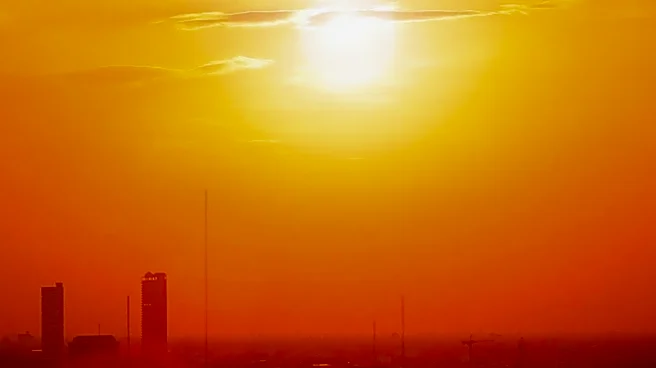
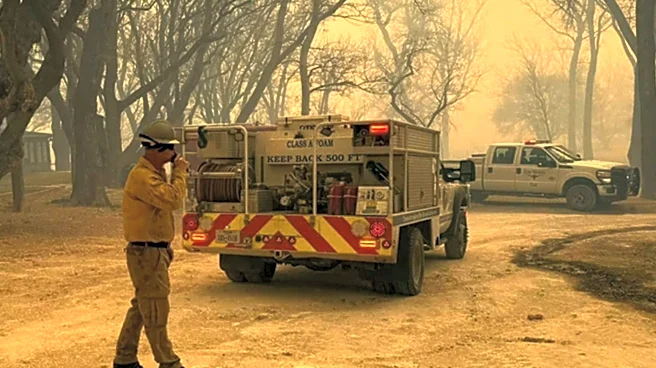
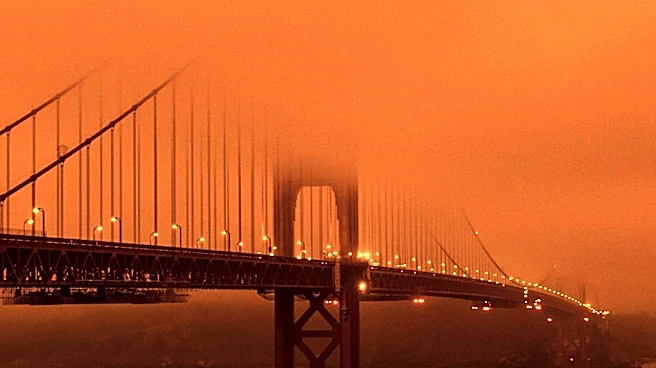
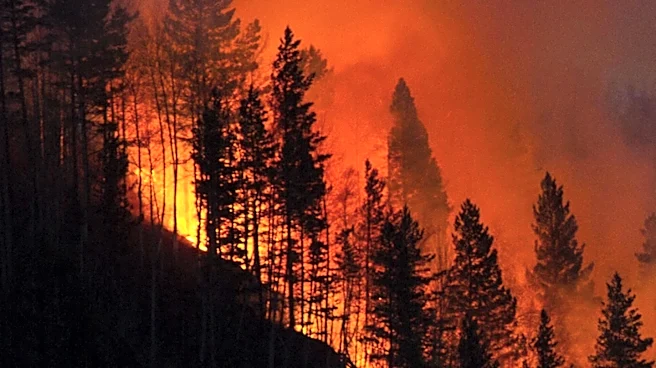
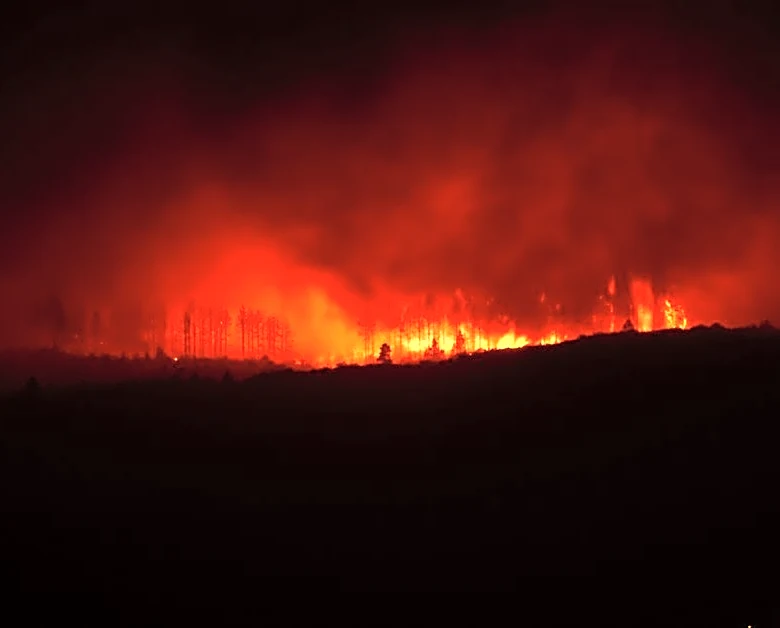
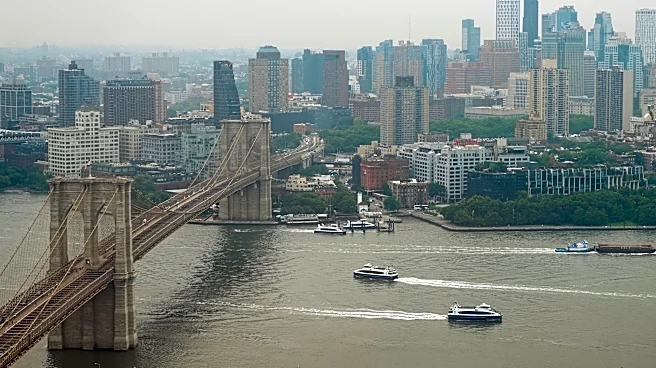
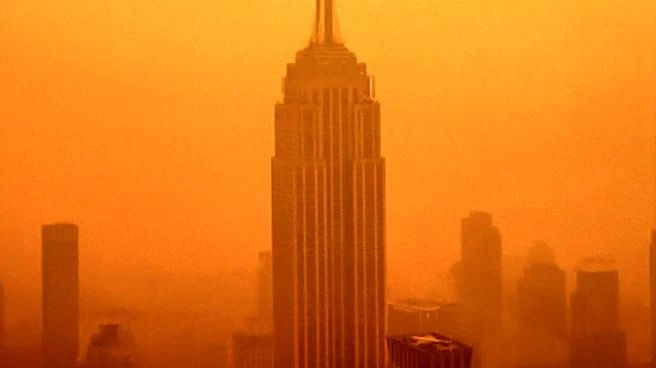
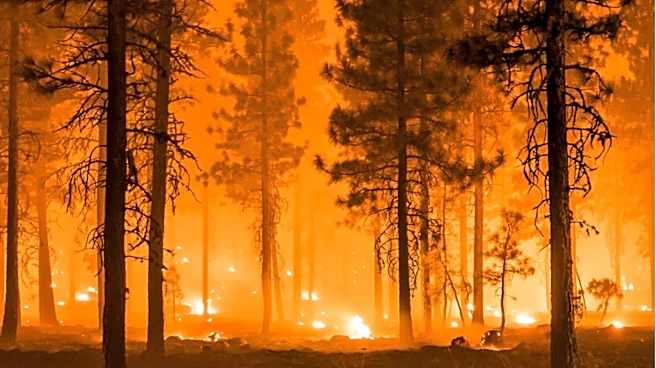
Smoke from Canadian wildfires has spread across parts of the US Midwest and Northeast, leading to unhealthy air quality levels. Cities from the Great Lakes to the East Coast are experiencing reduced visibility and hazardous air conditions. Officials have
advised residents to stay indoors or wear masks when outside, as the smoke contains microscopic particles that can cause respiratory and cardiovascular issues. The smoke is primarily from fires in Canada and northern Minnesota, exacerbated by a high-pressure system trapping the smoke close to the ground.
Why It's Important?
The spread of wildfire smoke across state lines underscores the interconnected nature of environmental issues and their impact on public health. The situation highlights the need for cross-border cooperation in addressing wildfire management and air quality standards. For residents in affected areas, the smoke poses immediate health risks, particularly for vulnerable populations such as those with pre-existing respiratory conditions. The event also raises awareness about the broader implications of climate change and the increasing frequency and intensity of wildfires.
What's Next?
As the fires continue to burn, air quality may fluctuate, with potential for recurring smoke conditions until the fires are extinguished. This could take months, depending on weather conditions and firefighting efforts. Authorities will likely continue to monitor air quality and issue advisories as needed. Long-term, there may be increased focus on improving air quality monitoring and response strategies, as well as addressing the root causes of increased wildfire activity.