



What's Happening?
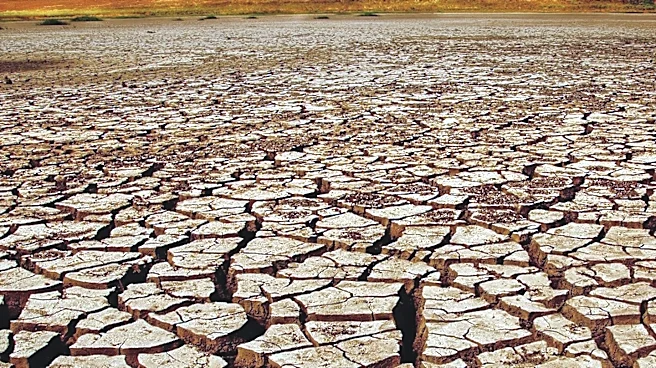
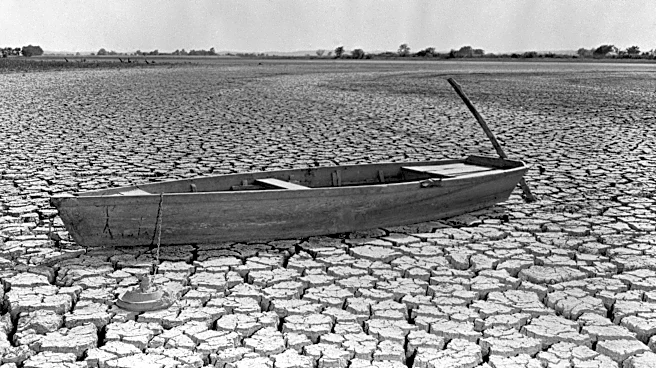
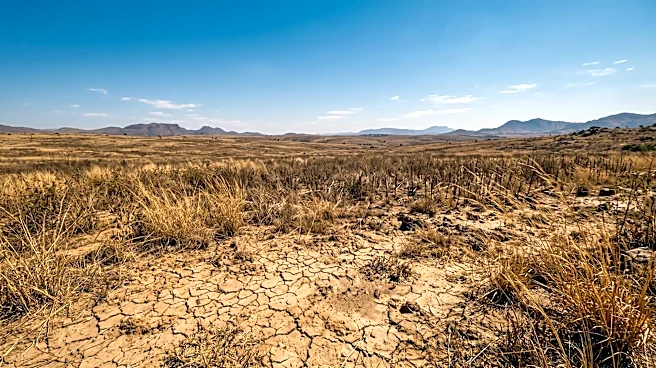
The Zimbabwean government has issued 885 import permits to 423 private companies to address a severe grain deficit resulting from the El Niño-induced drought during the 2023/2024 agricultural season. This intervention follows President Emmerson Mnangagwa's
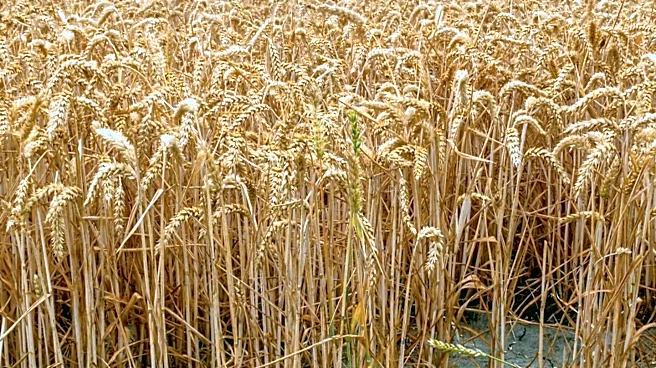
declaration of the farming season as a national disaster. According to a Cabinet report, private sector entities have already imported over 1 million metric tonnes of grain, including 852,260 tonnes of maize, 184,121 tonnes of wheat, and 340 tonnes of wheat flour. The country's poor harvests yielded only 868,273 metric tonnes of grain, creating a deficit of 680,000 metric tonnes needed to meet national requirements. Information Minister Dr. Jenfan Muswere emphasized the importance of private sector collaboration in ensuring food security until the next harvest and stated that the government continues to monitor import volumes, stocks at millers, prices, and sources to prevent arbitrage opportunities.
Why It's Important?
This action by the Zimbabwean government is crucial for preventing a widespread food crisis and stabilizing the national food supply. The significant grain deficit, exacerbated by the El Niño drought, poses a direct threat to food security for millions of citizens. By issuing a large number of import permits to private companies, the government is leveraging market mechanisms to rapidly bring in necessary foodstuffs, demonstrating a proactive approach to a critical national challenge. The involvement of the private sector in importing over 1 million metric tonnes of grain highlights the scale of the problem and the necessity of a multi-stakeholder response. This measure aims to mitigate potential social unrest, economic instability, and humanitarian concerns that could arise from severe food shortages. Furthermore, the government's commitment to monitoring import volumes and prices is vital to ensure fair distribution and prevent price gouging, protecting vulnerable populations from exploitation during a period of scarcity.
What's Next?
Looking ahead, Dr. Muswere announced plans to significantly boost agricultural production for the 2024/2025 season, aiming for 3,274,200 metric tonnes of cereals, a substantial increase from the current year's 744,271 tonnes. Optimism for the upcoming season is high, with forecasts of normal to above-normal rains, which could help replenish national reserves and reduce dependence on imports. The government will continue to monitor the effectiveness of the import permits and the distribution of grain to ensure food security until the next harvest. Efforts will also focus on supporting farmers to achieve the ambitious production targets for the next season, potentially through various agricultural programs and incentives. The long-term goal is to enhance the country's resilience to climate shocks and reduce its reliance on imported food.
Beyond the Headlines
The reliance on import permits and private sector involvement, while necessary in the short term, also highlights underlying vulnerabilities in Zimbabwe's agricultural sector, particularly its susceptibility to climate variability. This situation underscores the urgent need for long-term strategies to enhance climate resilience, such as investing in irrigation infrastructure, promoting drought-resistant crops, and improving agricultural extension services. The declaration of a national disaster also brings into focus the broader economic impact of climate change on developing nations, where agricultural output forms a significant portion of GDP and employment. The government's efforts to prevent arbitrage opportunities suggest a recognition of the ethical and economic challenges associated with food scarcity, emphasizing the importance of equitable access to essential goods during crises. This event could serve as a catalyst for more robust and sustainable agricultural policies aimed at achieving food sovereignty.