





What's Happening?
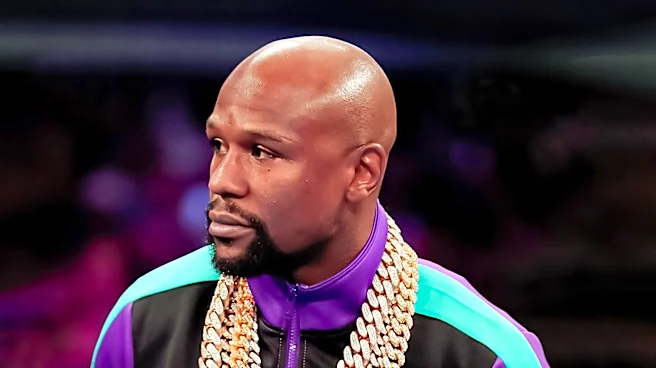
Floyd Mayweather Jr., a former professional boxer, and Brian Acton, a technology entrepreneur, represent two distinct paths to significant professional and financial success in the United States. Mayweather, born in 1977 in Grand Rapids, Michigan, emerged
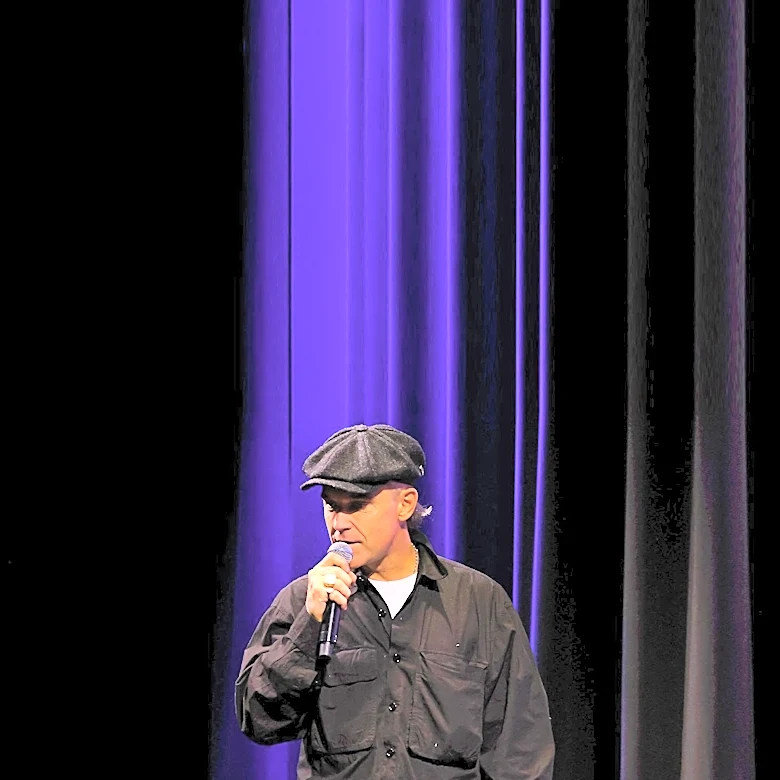
from a boxing family to become an undefeated professional boxer with a 50-0 record, winning world titles in five weight divisions. His career was marked by exceptional defensive skill, counterpunching ability, and major fights against prominent opponents like Manny Pacquiao and Conor McGregor. Beyond the ring, Mayweather built a strong business identity through Mayweather Promotions, managing his own fights and commercial image. In contrast, Brian Acton, born in 1972 in Michigan, pursued a career in technology. After working at companies like Apple and Yahoo, Acton co-founded WhatsApp with Jan Koum in 2009. WhatsApp rapidly grew into a global messaging platform, leading to its acquisition by Facebook (now Meta Platforms) in 2014 for approximately $19 billion. Acton later left Facebook to co-found the Signal Foundation in 2018, focusing on privacy-centric messaging services.
Why It's Important?
The careers of Mayweather and Acton highlight diverse avenues for achieving prominence and wealth in the U.S. Mayweather's journey underscores the potential for athletes to transcend their sport, building powerful personal brands and business empires through promotion and endorsements. His success demonstrates how athletic prowess can be leveraged into significant entrepreneurial ventures, influencing the sports and entertainment industries. Acton's career, on the other hand, exemplifies the transformative power of technological innovation and entrepreneurship. His role in creating WhatsApp revolutionized digital communication globally, showcasing the immense impact a single application can have on daily life and the economy. His subsequent focus on privacy with the Signal Foundation also reflects a growing societal concern about data security and the ethical responsibilities of technology companies, influencing the direction of digital communication and privacy advocacy.
What's Next?
For Floyd Mayweather, his post-boxing career continues to involve business ventures, promotions, and exhibition appearances, maintaining his brand presence in the entertainment and sports industries. His ongoing activities will likely continue to shape how retired athletes manage their wealth and influence. For Brian Acton, his work with the Signal Foundation is expected to further advance privacy-focused communication technologies. As digital privacy concerns intensify, Signal's role as a secure messaging platform may grow, potentially influencing industry standards for data protection and user privacy. Both individuals, through their respective ongoing endeavors, will continue to contribute to their fields, albeit in very different capacities, reflecting their established legacies and future directions.
Beyond the Headlines
The contrasting careers of Mayweather and Acton offer a deeper look into the values and priorities that drive success in different sectors. Mayweather's emphasis on personal branding, wealth accumulation, and public spectacle reflects a certain aspect of American consumer culture and the monetization of individual talent. Acton's trajectory, particularly his pivot to privacy advocacy after a massive financial success, highlights a growing consciousness within the tech industry regarding ethical responsibilities and societal impact. This divergence illustrates broader societal discussions about the nature of success—whether it is primarily defined by financial gain and public recognition, or by contributions to societal well-being and ethical technological development. Their stories, while distinct, collectively showcase the multifaceted nature of ambition and achievement in the modern American landscape.