




What's Happening?
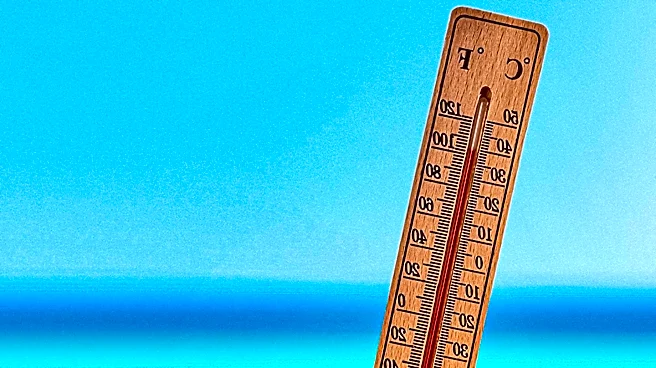
The National Weather Service (NWS) in Fairbanks, Alaska, has issued heat advisories for the Arctic Plains, forecasting temperatures as high as 80 degrees Fahrenheit. This unusual heat event is affecting some of the coldest inhabited regions in the United
States, where residents are typically unaccustomed to such prolonged heat. The advisory is in effect from Monday morning through Tuesday midnight for areas including Umiat, Franklin Bluffs, and Sagwon. A separate advisory is in place for the Yukon Flats, where temperatures could reach 85 degrees. The advisories are part of a new warning system implemented in April 2025, replacing previous Special Weather Statements. Residents are advised to stay hydrated, avoid strenuous activities during peak heat, and check on vulnerable neighbors. The heat wave is linked to a high-pressure ridge over northern Alaska, contributing to a warming and drying trend.
Why It's Important?
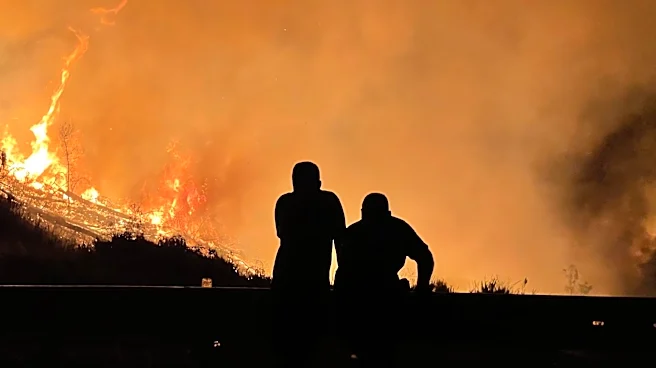
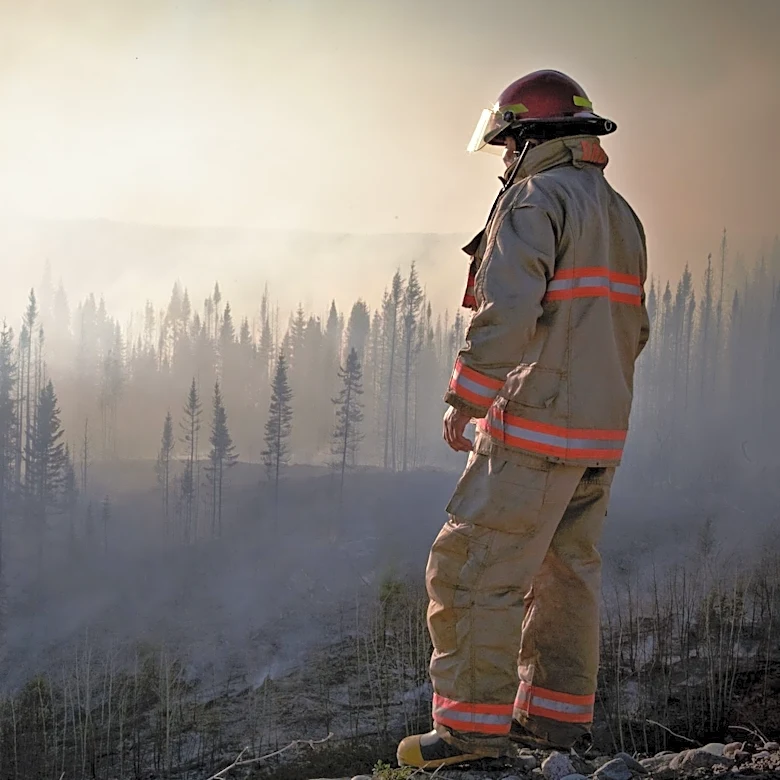
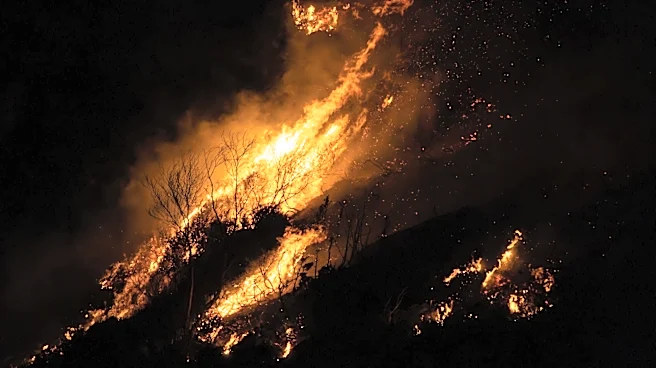
This heat advisory highlights the broader environmental changes occurring in Alaska, a region warming two to three times faster than the global average. Rising temperatures have significant implications for local ecosystems, infrastructure, and communities. The thawing of permafrost, a consequence of warming, poses risks to roads, buildings, and other infrastructure, potentially leading to increased land loss and destabilization. Additionally, the increased likelihood of wildfires due to prolonged dry periods and higher temperatures threatens both natural habitats and human settlements. These changes underscore the urgent need for adaptation measures to mitigate the impacts of climate change in the Arctic.
What's Next?
As temperatures continue to rise, residents and officials in Alaska's Arctic regions must prepare for more frequent and severe heat events. The NWS will likely continue to monitor and issue advisories as necessary. Long-term, communities may need to invest in infrastructure adaptations to cope with the effects of permafrost thaw and increased wildfire risk. Policymakers and scientists will need to collaborate on strategies to address these challenges, ensuring the resilience of local ecosystems and communities. The ongoing situation serves as a critical reminder of the broader impacts of climate change and the importance of proactive measures.
Beyond the Headlines
The heat advisories in Alaska also raise ethical and cultural considerations, particularly for Indigenous communities whose traditional ways of life are closely tied to the land. The rapid environmental changes threaten not only physical infrastructure but also cultural heritage and practices. As the Arctic continues to warm, there may be shifts in wildlife patterns, affecting subsistence hunting and fishing. These changes necessitate a dialogue between scientists, policymakers, and Indigenous leaders to develop culturally sensitive adaptation strategies that respect and preserve traditional knowledge and practices.