





What's Happening?
A new study by the Martha’s Vineyard Commission (MVC) has highlighted significant vulnerabilities in the island's supply chain, which is heavily reliant on marine transportation. The report, conducted with the towns of Gosnold and Nantucket and several
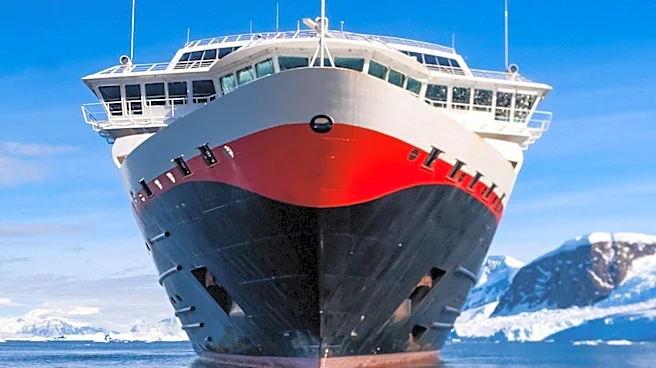
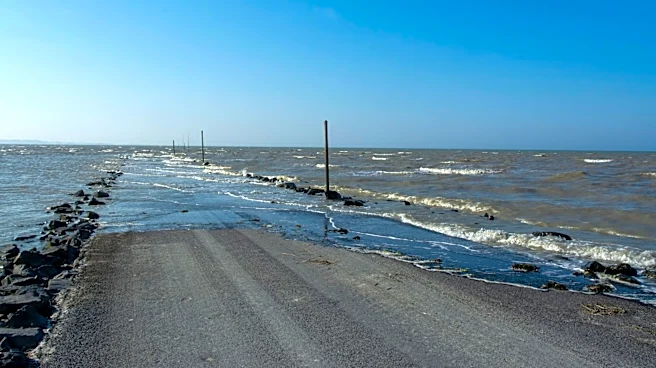
consultants, found that Martha's Vineyard has limited stored food and depends on just-in-time deliveries via the Steamship Authority. Disruptions to ferry service, even brief ones, could lead to shortages of essential goods. The study noted that almost all supplies, and often workers, funnel through Vineyard Haven harbor. This reliance creates 'pinch points' susceptible to bottlenecks, as confirmed by interviews with key stakeholders like RM Packer Company, the Steamship Authority, Cronig’s Market, and Stop & Shop. The report also points out that the Vineyard Haven terminal faces increased flood risk by 2050, and the New Bedford hurricane barrier, which protects a crucial barge route, is expected to close more frequently due to rising sea levels, further threatening supply lines. Islanders experienced a preview of these issues during recent winter storms that halted ferry services, causing delays in grocery deliveries.
Why It's Important?
The findings of this report are crucial for the resilience and sustainability of Martha's Vineyard. The island's heavy dependence on a single mode of transportation and just-in-time delivery models exposes its residents to significant risks, particularly concerning food, medicine, and fuel. The potential for frequent ferry cancellations due to severe weather, exacerbated by climate change, could lead to critical shortages, impacting daily life and public safety. The vulnerability of infrastructure, such as the Vineyard Haven terminal and the New Bedford hurricane barrier, underscores the need for proactive investment in climate resilience and diversified supply chain strategies. Furthermore, the report highlights broader issues like the lack of affordable housing affecting crew retention for essential services, which could compound supply chain problems. The reliance on informal coordination, while effective historically, is deemed insufficient for future challenges, emphasizing the need for formalized systems and contingency plans to protect the island's economy and its residents' well-being.
What's Next?
The Martha’s Vineyard Commission plans to seek additional state funding for a second phase of research. This next phase will focus on assessing flood vulnerability, conducting an economic analysis, and identifying priority adaptation projects to mitigate the identified risks. Sakiko Isomichi, the MVC’s climate resilience planner, has been engaging with town select boards to discuss the study's findings and gather input for this proposed follow-up research. The goal is to formalize existing institutional knowledge and develop robust contingencies for the future, moving beyond the current informal coordination system. Stakeholders, including emergency managers like Tim Carroll, Chilmark town administrator, are already considering alternatives for supply delivery, such as landing barges and containerized goods, in case of damage to Steamship Authority docks. While some town officials express skepticism about the need for further studies, others emphasize that documenting these vulnerabilities is essential for securing state funding and implementing necessary improvements.
Beyond the Headlines
The report on Martha's Vineyard's fragile supply chain touches upon deeper implications beyond immediate logistical concerns. It highlights the broader challenge faced by many island and coastal communities in the U.S. as they grapple with the accelerating impacts of climate change, particularly sea-level rise and increased storm frequency. The reliance on aging infrastructure and the just-in-time delivery model, common in modern economies, proves particularly precarious in isolated or semi-isolated regions. This situation raises ethical questions about equitable access to essential resources during crises and the responsibility of state and federal governments to support vulnerable communities. Culturally, the potential for disruptions could alter the unique lifestyle of island residents, forcing changes in consumption patterns and increasing the cost of living. The study also implicitly calls for a re-evaluation of economic development strategies in such regions, advocating for greater self-sufficiency and diversified local production to reduce external dependencies and enhance resilience against future environmental and economic shocks.