




What's Happening?
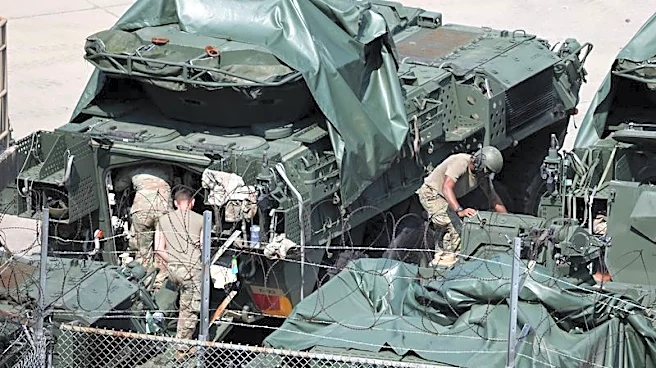
President Trump has ordered a significant reduction in the scope of the annual Ulchi Freedom Shield (UFS) joint military exercises with South Korea. This decision was announced by President Trump on his social media platform, Truth Social, citing the high
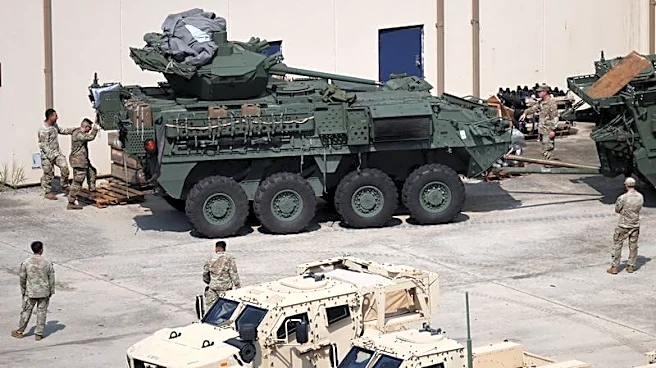
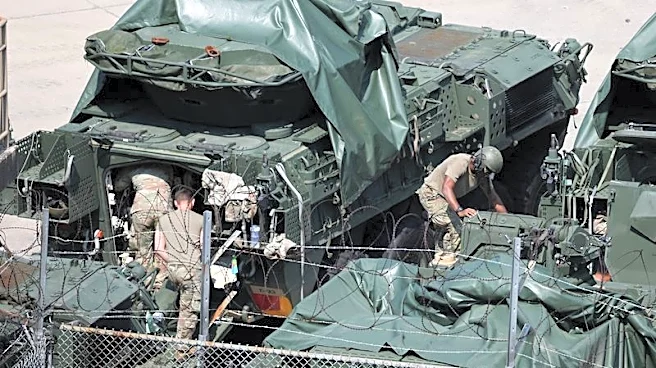
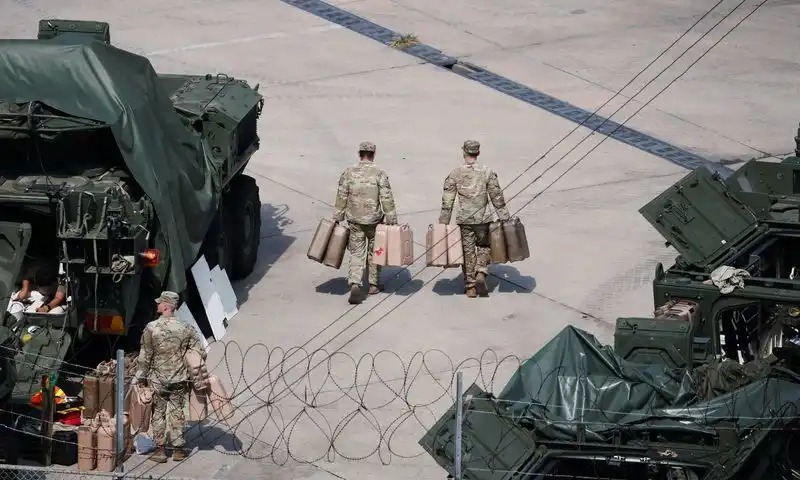
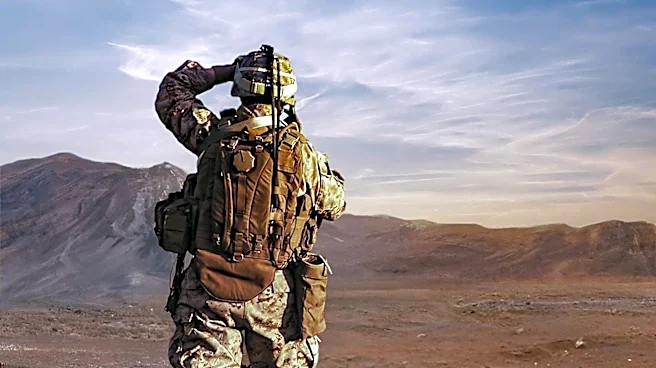
costs of these exercises, a significant portion of which are covered by the U.S., and his 'very good relationship' with North Korean leader Kim Jong-un. The joint military exercises, which have been a cornerstone of the deterrence system between Washington and Seoul against nuclear-armed North Korea for half a century, were originally planned from August 17 to 27. Following President Trump's directive, the exercises will now be nearly halved in duration, concluding by Friday, and will feature a reduced scope of field exercises. This move has reportedly caused alarm in Seoul and Washington, given South Korea's status as a key U.S. ally in Asia.
Why It's Important?
President Trump's decision to reduce joint military exercises with South Korea carries significant implications for U.S. foreign policy, regional security, and alliances. The Ulchi Freedom Shield exercises are crucial for maintaining military readiness and interoperability between the U.S. and South Korea, serving as a deterrent against potential aggression from North Korea. A reduction in these exercises could be perceived as a weakening of the U.S. commitment to its allies, potentially emboldening adversaries and destabilizing the security landscape in East Asia. This move also reflects President Trump's broader strategy of pressuring allies over defense spending and leveraging security relationships for political ends, as seen in his interactions with European NATO members. The shift could prompt South Korea to further enhance its independent defense capabilities, including its nuclear submarine development program, to compensate for perceived reductions in U.S. support. This could lead to a re-evaluation of long-standing alliances and potentially alter the balance of power in the region.
What's Next?
The immediate consequence is the shortened duration and reduced scope of the Ulchi Freedom Shield exercises. South Korean President Lee Jae-myung has responded by calling for a strengthening of independent defense capabilities and emphasizing the defensive nature of their civil defense exercises. He also reiterated the plan for the seamless transfer of wartime operational control from the United States. This suggests that South Korea may accelerate efforts to become more self-reliant in defense. The decision could also lead to further discussions and potential renegotiations of defense cost-sharing agreements between the U.S. and South Korea. Additionally, the move may influence North Korea's strategic calculations, potentially leading to a change in their diplomatic or military posture. The broader trend of President Trump pressuring allies could continue, with other U.S. allies potentially facing similar demands regarding military exercises or defense contributions.
Beyond the Headlines
This action by President Trump underscores a fundamental shift in U.S. foreign policy, moving away from traditional alliance-based security frameworks towards a more transactional approach. The emphasis on cost-sharing and the personal relationship with North Korea's leader over established military deterrence mechanisms could erode decades of diplomatic and security architecture. This approach risks alienating key allies and creating a vacuum that other global powers might seek to fill. The long-term implications could include a fragmentation of international alliances, increased regional instability, and a redefinition of global security responsibilities. The decision also highlights the tension between a president's executive authority in foreign policy and the established diplomatic and military strategies that have guided U.S. engagement for generations. This could lead to a re-evaluation of the role of alliances in U.S. national security strategy and potentially reshape the global order.