








What's Happening?
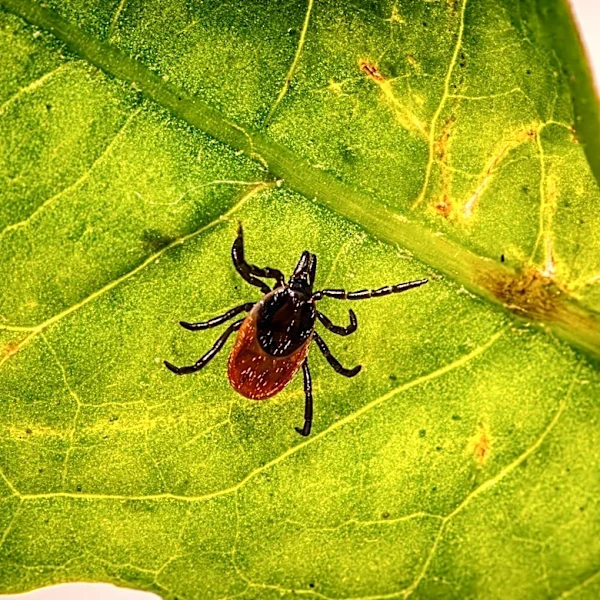
Lyme disease cases have increased for the second consecutive year in western Pennsylvania, making the region one of the most affected areas in the United States for tick-borne illnesses. The rise in cases has been reported by KDKA-TV, highlighting the growing
public health concern. Lyme disease, transmitted through tick bites, can lead to severe health issues if not treated promptly. The increase in cases is attributed to various factors, including environmental changes that favor tick populations and increased human exposure to tick habitats.
Why It's Important?
The surge in Lyme disease cases in western Pennsylvania underscores a significant public health challenge. As one of the most affected regions, the increase in cases could strain local healthcare resources and necessitate heightened public awareness and preventive measures. Lyme disease can lead to long-term health complications, including neurological and cardiac issues, if not diagnosed and treated early. The rising trend may prompt public health officials to implement more robust tick control programs and educational campaigns to mitigate the spread of the disease.
What's Next?
In response to the rising Lyme disease cases, public health authorities in western Pennsylvania may intensify efforts to educate the public about preventive measures, such as using tick repellents and performing regular tick checks after outdoor activities. Healthcare providers might also increase screening and diagnostic efforts to ensure early detection and treatment. Additionally, research into environmental factors contributing to the rise in tick populations could inform future strategies to control the spread of Lyme disease.