









What's Happening?
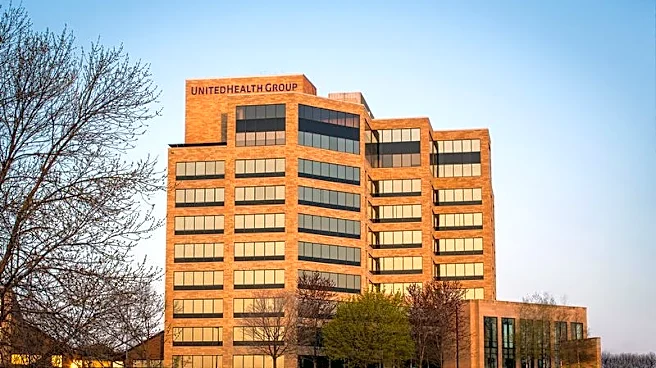
The Centers for Medicare and Medicaid Services (CMS) has postponed the pilot run of its BALANCE financing model, which aimed to improve access to GLP-1 weight-loss drugs. The delay follows reluctance from major insurers like CVS and UnitedHealth to participate.
The BALANCE program was designed to negotiate drug prices directly with manufacturers to make these medications more affordable. The postponement has negatively impacted the stock prices of Eli Lilly and Novo Nordisk, key players in the obesity drug market.
Why It's Important?
The delay in the BALANCE program represents a significant challenge for pharmaceutical companies like Lilly and Novo Nordisk, which were poised to benefit from increased access to their GLP-1 drugs. The program's postponement could limit the potential market expansion for these drugs, affecting their financial performance. However, the situation also underscores the complexities of implementing new healthcare payment models and the need for collaboration between government agencies and insurers. The outcome of this delay could influence future healthcare policy decisions and the integration of innovative drug pricing models.
What's Next?
As CMS works to address the concerns raised by insurers, the future of the BALANCE program remains uncertain. Pharmaceutical companies will likely continue to advocate for the program's implementation, emphasizing the benefits of increased access to weight-loss medications. In the meantime, the extension of the interim Bridge program provides a temporary solution, allowing some Medicare beneficiaries to access GLP-1 drugs. Stakeholders will be closely monitoring developments to assess the long-term impact on the obesity drug market and potential changes in healthcare policy.