







What's Happening?
Croatia's tourism sector recorded 21.3 million tourist arrivals and nearly 109 million overnight stays in the first ten months of 2026. This represents a 1.6% increase in arrivals and a 1% rise in overnight stays compared to the same period in 2025, according
to data from the Croatian National Tourist Board (HTZ). A significant factor in this growth has been the increase in domestic tourism, with Croatian visitors' overnight stays rising by 4.7% year-on-year. While foreign visitors still account for the majority (87.5%) of overnight stays, their growth was more modest at 0.4%. October 2026 data further highlighted this trend, showing a 9% increase in domestic arrivals and an 8.5% increase in domestic overnight stays, contrasting with a slight decline in foreign arrivals and overnight stays for the month. Germany remained the leading foreign market, despite an 8.7% decrease in overnight stays, while Slovenian and Austrian visitors showed increases.
Why It's Important?
The shift towards stronger domestic tourism in Croatia is important as it can offer a more stable and sustainable tourism model, potentially mitigating some of the issues associated with overtourism. Over-reliance on international visitors can make a destination vulnerable to global economic shifts, travel restrictions, and seasonal fluctuations. By fostering domestic travel, Croatia can build a more resilient tourism economy that is less susceptible to external pressures. This trend also suggests a potential change in travel patterns, where local populations are increasingly exploring their own country, which can lead to a more equitable distribution of tourism benefits within the nation. For U.S. travelers, this might mean a more diversified and potentially less crowded experience in certain areas, especially if local tourism helps spread visitors beyond traditional hotspots. However, the overall growth still contributes to the broader discussion on managing visitor numbers in popular destinations.
What's Next?
Croatian tourism authorities may continue to focus on strategies that encourage domestic travel and manage the influx of foreign visitors to ensure sustainable growth. This could involve promoting lesser-known regions to distribute tourist traffic more evenly and investing in infrastructure that supports both local and international tourism without overwhelming popular sites. The slight decline in foreign arrivals in October, particularly from key markets like Germany and the UK, might prompt a re-evaluation of marketing strategies targeting these countries. Furthermore, the continued growth in overall tourist numbers will likely keep the issue of overtourism at the forefront, potentially leading to further discussions on visitor caps, timed entry systems, or tourist taxes, similar to measures being considered or implemented in other popular European destinations.
Beyond the Headlines
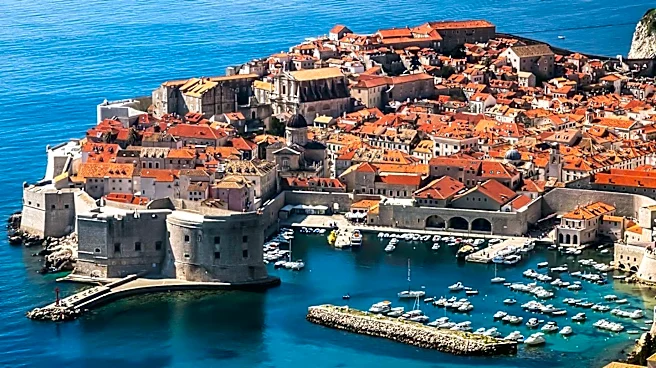
The growing emphasis on domestic tourism in Croatia reflects a broader global trend where countries are recognizing the importance of internal travel markets for economic stability and cultural preservation. This can lead to a more authentic travel experience for all visitors, as local businesses and cultural sites are supported by a diverse clientele rather than solely catering to international tourists. The challenges of overtourism, as seen in destinations like Dubrovnik, highlight the delicate balance between economic benefits and environmental/social impacts. Croatia's experience could serve as a case study for other nations grappling with similar issues, demonstrating how a strategic focus on domestic tourism can contribute to a more balanced and sustainable industry, preserving the unique character of its destinations for future generations while still welcoming international guests.