

What's Happening?
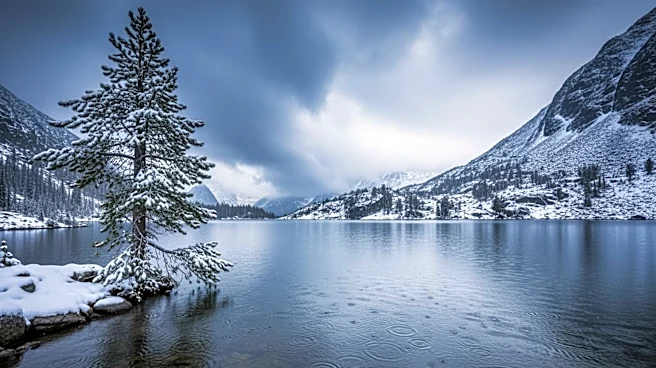
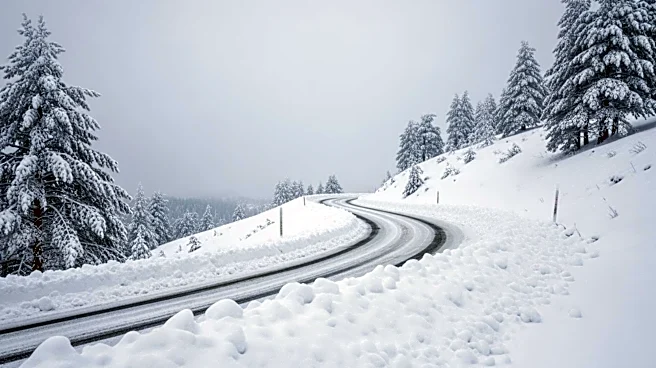
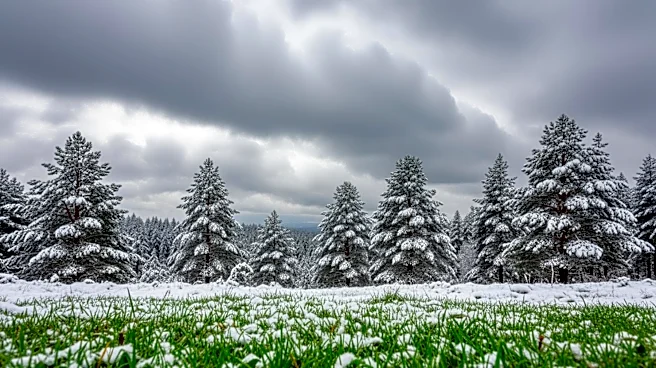
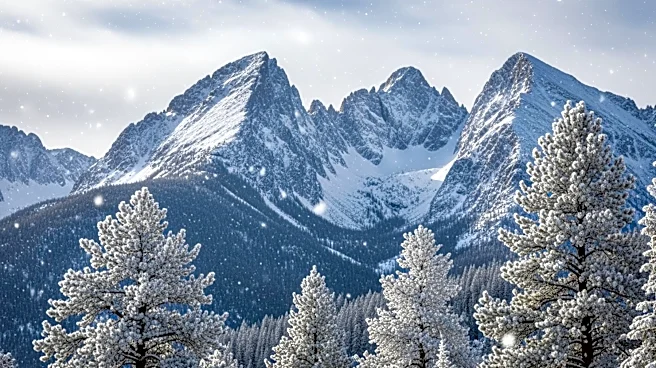
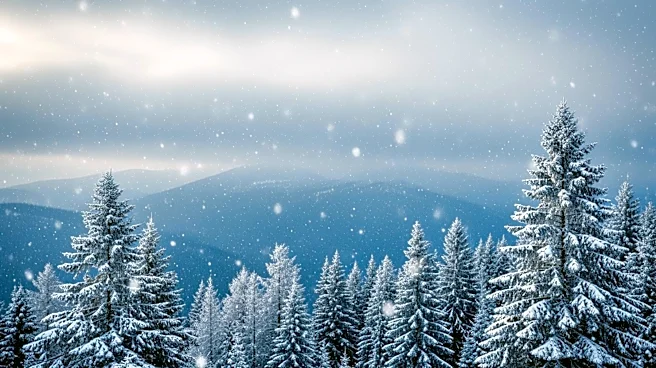
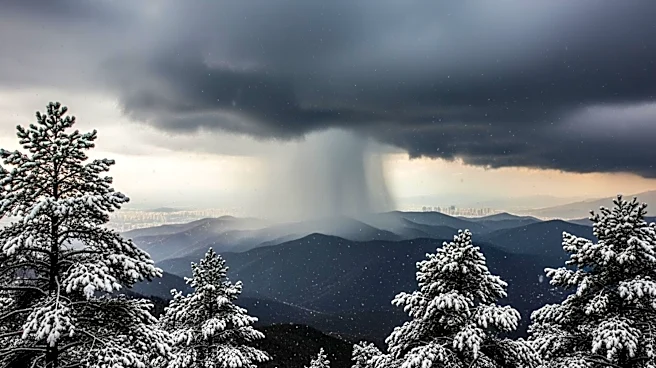
A significant late-season snowstorm is impacting Colorado, delivering much-needed snow to the Rocky Mountains. The storm, which began on May 5, 2026, is expected to continue through Wednesday afternoon, with Denver potentially receiving three to nine
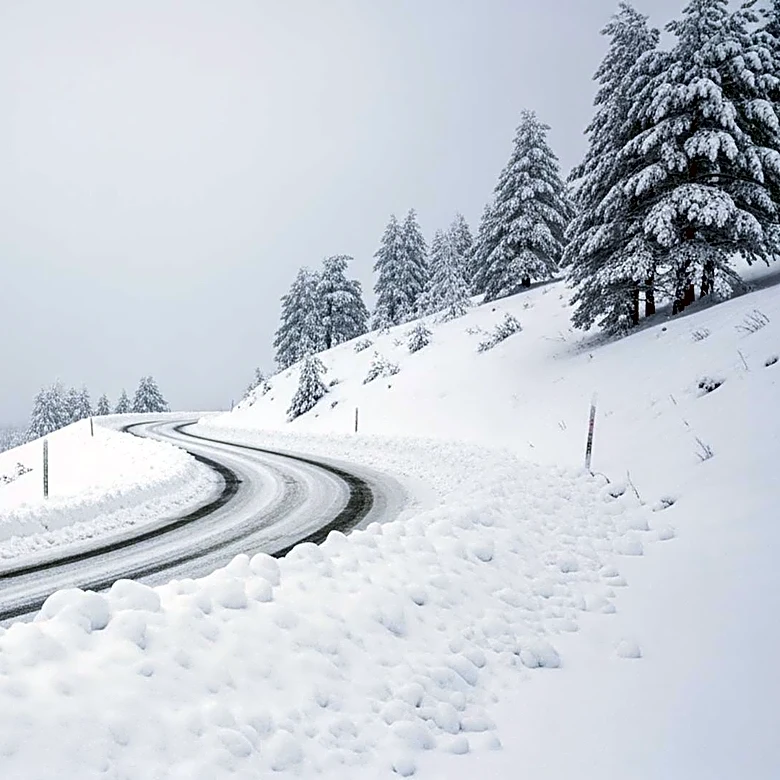
inches of snow. This storm is notable for its timing, as it arrives in the middle of spring, a period typically associated with warmer weather. Despite the substantial snowfall, experts caution that it is unlikely to resolve the historic snow drought that has plagued the state, leading to early ski resort closures and concerns about an intense fire season. The National Weather Service has issued a winter storm warning for the Denver area, and utilities are preparing for potential power outages due to the heavy, wet snow.
Why It's Important?
The snowstorm is crucial as it provides temporary relief to Colorado's water supply issues, which have been exacerbated by a historic snow drought. The snowpack, a vital water source, had reached its lowest level on record, raising concerns about water availability and fire risks. While the storm will help improve topsoil moisture and reduce irrigation demands, it is not expected to significantly alter the bleak water outlook for the summer. The storm's impact extends beyond Colorado, with thunderstorms predicted from northeast Texas to western Tennessee, posing risks of large hail, damaging winds, and possible tornadoes. This weather event highlights the ongoing challenges of climate variability and the need for adaptive strategies in water management and disaster preparedness.
What's Next?
Following the storm, temperatures are expected to rise, potentially leading to rapid snowmelt and increased water flow in rivers and streams. This could pose flooding risks in certain areas. Utilities and emergency services are on alert to address power outages and other storm-related issues. The storm's aftermath will also be closely monitored by water management authorities to assess its impact on the region's water supply and drought conditions. Additionally, the storm's effects on agriculture and local economies will be evaluated, as the late-season snow could disrupt planting schedules and other spring activities.