




What's Happening?
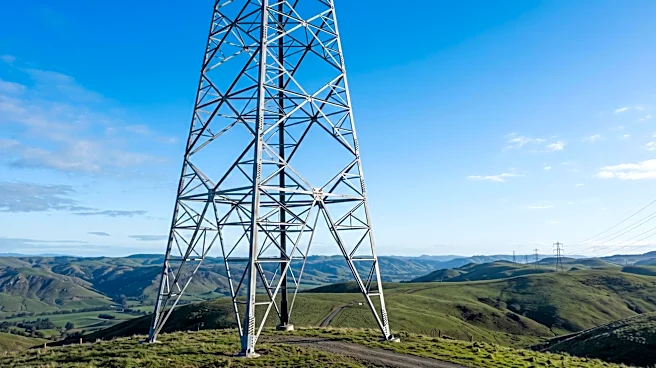
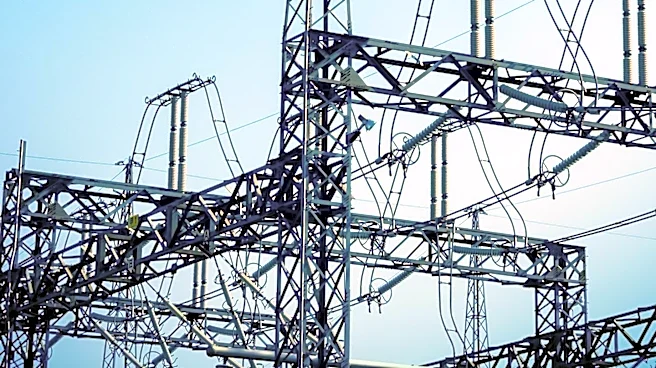
European nations are confronting a significant challenge in modernizing their electricity grids, with 40% of distribution grids currently over 40 years old. The European Commission estimates that approximately €584 billion in investment is required to
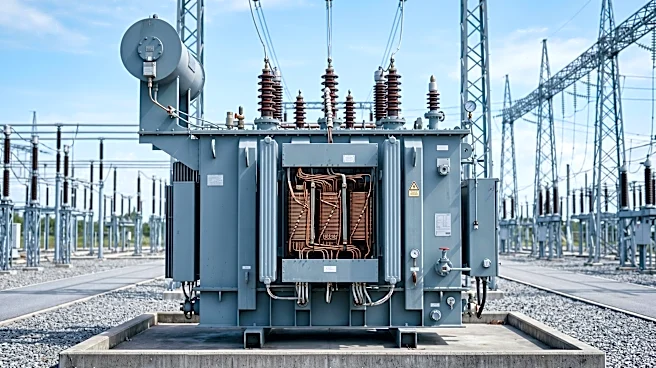
upgrade these grids. This situation is exacerbated by increasing demand, the integration of renewable energy sources, and the need to maintain reliability. Utilities are exploring various strategies beyond simple replacement, including repair, refurbishment, retrofitting, and repurposing existing assets. This circular economy approach aims to extend the life of current infrastructure, manage capital expenditure, and meet carbon reduction targets. The focus is on making informed decisions about which assets to replace versus which can be upgraded or maintained, especially given long lead times for new equipment. For instance, large power transformers can have lead times of up to 160 weeks, making refurbishment a more immediate and practical solution in many cases.
Why It's Important?
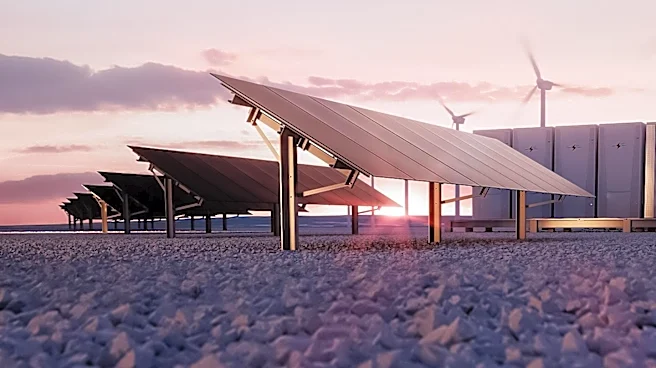
The modernization of Europe's electric grid is crucial for several reasons. First, aging infrastructure poses significant reliability risks, potentially leading to power outages and inefficiencies. Second, the ambitious goals for renewable energy integration, such as solar and wind power, necessitate a more robust and flexible grid capable of handling bidirectional power flows and intermittent generation. Without modernization, the transition to cleaner energy sources will be hampered. Third, the substantial investment required, estimated at €584 billion, highlights the economic impact and the potential for growth in related industries, including manufacturing, service, and technology sectors focused on grid solutions. The shift towards a circular economy in grid asset management also has environmental benefits, reducing waste and embodied carbon associated with new equipment production. This approach can also alleviate supply chain pressures and reduce outage exposure, providing a more resilient energy system for European consumers and industries.
What's Next?
Looking ahead, European utilities will likely continue to prioritize strategic investments in grid modernization, focusing on a mix of asset replacement and life extension strategies. The emphasis will be on advanced diagnostics, condition monitoring, and targeted upgrades to maximize the value of existing infrastructure. Regulatory frameworks, such as Europe's F-gas regulation, will also drive changes, particularly in managing legacy switchgear that uses SF6. This will create demand for SF6-free alternatives, retrofill solutions, and specialized services for gas recovery and lifecycle management. Manufacturers and service providers are expected to expand their offerings to include comprehensive lifecycle services, modernization packages, digital asset health solutions, and circular material partnerships. The market will see increased innovation in technologies that support grid resilience, efficiency, and the integration of renewable energy, with a focus on solutions that can be deployed faster than full system replacements.
Beyond the Headlines
Beyond the immediate need for infrastructure upgrades, Europe's grid modernization efforts reflect a broader shift towards sustainable and resilient energy systems. The adoption of circular economy principles in managing grid assets signifies a move away from a linear 'take-make-dispose' model, promoting resource efficiency and reducing environmental impact. This approach also fosters innovation in areas like material recovery and repurposing, creating new value chains and business opportunities. The long-term implications include a more decentralized and intelligent grid capable of adapting to future energy demands and climate challenges. Furthermore, the strategic decisions made today regarding grid investments will influence energy security, economic competitiveness, and the pace of decarbonization across the continent for decades to come. The challenge also highlights the critical role of policy and regulatory support in driving necessary investments and fostering technological advancements in the energy sector.