



What's Happening?
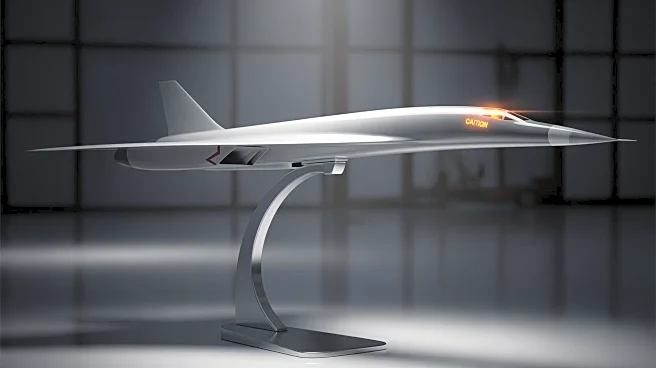
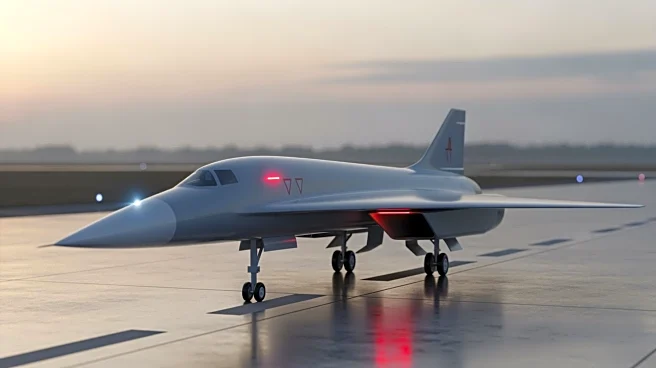
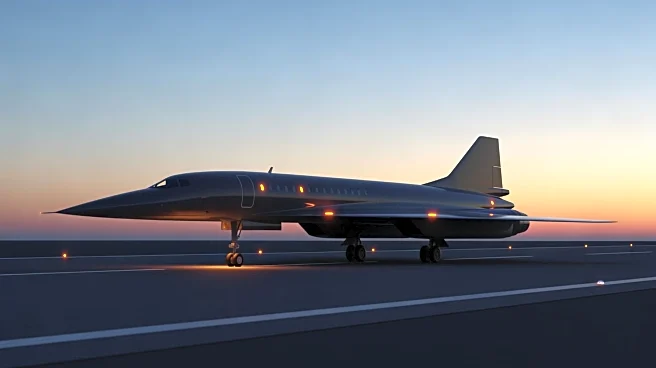
NASA's X-59 supersonic jet, part of the agency's efforts to develop quieter supersonic travel, was forced to land early during its second test flight due to a cockpit warning light. The flight, which took off from Edwards Air Force Base in California,
was intended to last an hour but was cut short after just nine minutes. The X-59 is designed to reduce the traditional sonic boom to a quieter 'thump,' allowing for potential supersonic flights over land. Despite the early landing, the test provided valuable data for NASA's ongoing research into supersonic travel.
Why It's Important?
The development of the X-59 is crucial for the future of commercial supersonic travel, which has been limited by noise regulations due to the loud sonic booms produced by traditional supersonic aircraft. By demonstrating the ability to reduce these booms, NASA aims to pave the way for regulatory changes that could allow for faster air travel over populated areas. The success of the X-59 could significantly impact the aviation industry, potentially leading to new commercial opportunities and faster global travel.
What's Next?
NASA and its partners, including Lockheed Martin, will analyze the data from the recent test flight to address the issues that led to the early landing. The team plans to conduct further test flights, gradually increasing the speed and altitude to reach the aircraft's design goals. These tests will continue to focus on validating the X-59's ability to minimize sonic booms, with the ultimate aim of conducting community overflights to gather public feedback and support regulatory changes.