







What's Happening?
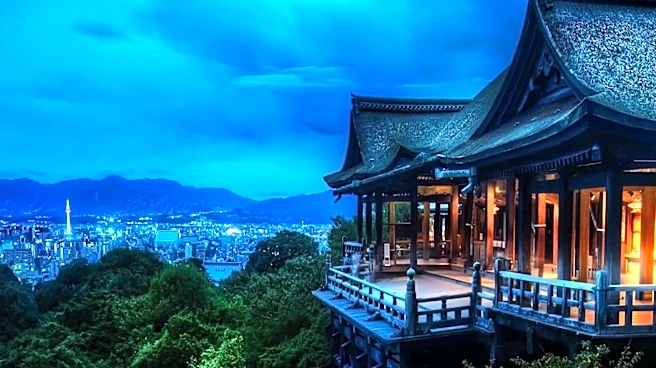
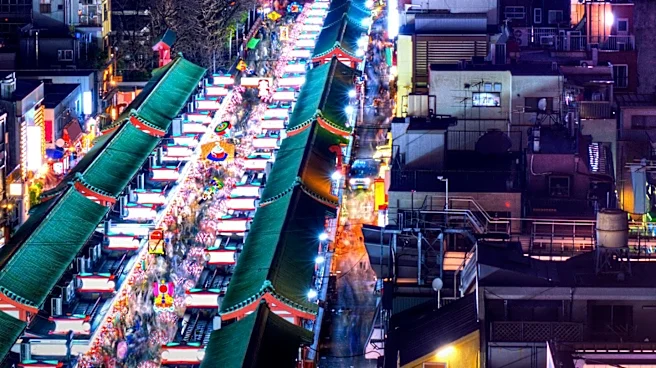
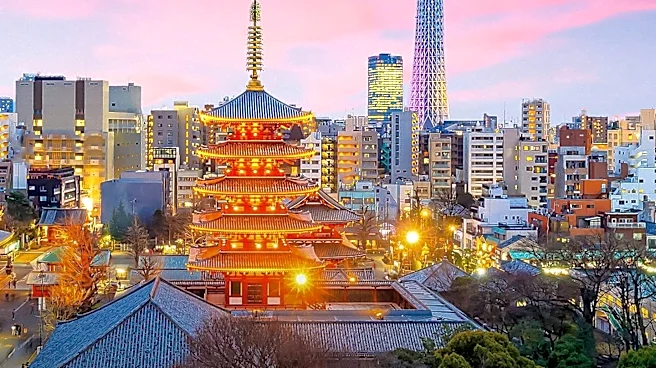
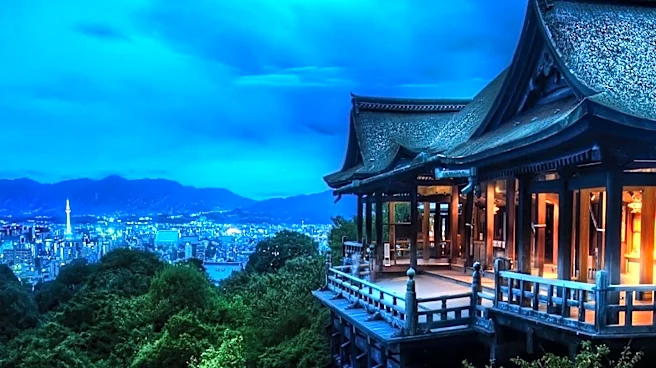
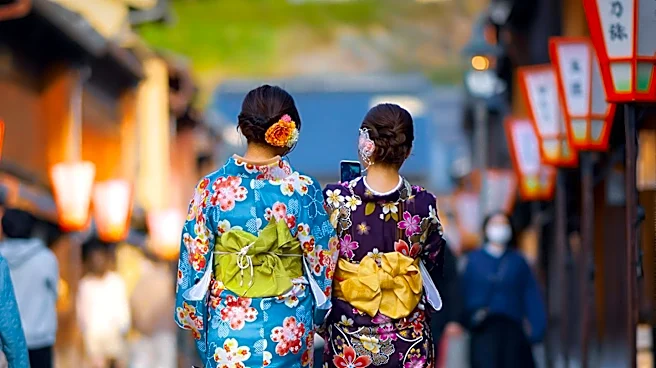
Kyoto, Japan, a city with a rich history spanning over 1,000 years as the nation's capital, is renowned for its more than 2,000 temples and shrines. It is a hub for traditional crafts such as knife-making, ceramics, and kimonos, passed down through generations.
Beyond its historical significance, Kyoto also embraces modernity, housing the headquarters of video game giant Nintendo and serving as the new location for the Cultural Affairs Agency, which relocated from Tokyo. By 2030, the city is set to establish new facilities dedicated to the restoration of Japan’s historic cultural properties. Despite an annual influx of tens of millions of visitors, the city, home to fewer than 1.5 million residents, still offers tranquil pockets, particularly on its fringes, allowing for peaceful strolls in Zen gardens or along the Kamo River. The city's temperate climate features four distinct seasons, with spring and autumn being the most recommended times to visit due to comfortable weather and natural beauty like cherry blossoms and autumn foliage.
Why It's Important?
Kyoto's unique blend of ancient traditions and modern advancements positions it as a significant cultural and economic center. The preservation of traditional crafts not only maintains Japan's cultural identity but also supports local artisans and contributes to the tourism economy. The presence of major corporations like Nintendo highlights Kyoto's role in the global technology sector, attracting talent and investment. The relocation of the Cultural Affairs Agency further solidifies Kyoto's importance in national cultural policy and heritage preservation, potentially influencing funding and initiatives for cultural properties across Japan. The city's ability to manage a high volume of tourism while maintaining its serene atmosphere is crucial for sustainable development, balancing economic benefits with environmental and cultural preservation. This balance ensures that Kyoto remains an attractive destination for both cultural enthusiasts and modern businesses, fostering a diverse and resilient local economy.
What's Next?
Kyoto is actively preparing for future developments, including the establishment of new facilities for the restoration of Japan’s historic cultural properties by 2030. This initiative is expected to further enhance the city's role as a center for cultural preservation and research. The city will likely continue to focus on sustainable tourism practices to manage the increasing number of visitors while preserving its historical sites and natural beauty. Efforts may include promoting off-peak travel, developing new tourist routes to disperse crowds, and investing in infrastructure to support both residents and tourists. The ongoing integration of modern industries, exemplified by Nintendo's presence, suggests a continued push for innovation alongside tradition. Future plans may also involve further collaborations between cultural institutions and technology companies to explore new ways of presenting and preserving heritage, potentially leveraging digital technologies to enhance visitor experiences and educational outreach.
Beyond the Headlines
Kyoto's enduring appeal lies in its profound cultural and spiritual dimensions, which extend beyond its physical attractions. The city embodies the Japanese concept of 'wabi-sabi,' finding beauty in imperfection and transience, evident in its ancient temples and seasonal landscapes. The meticulous preservation of traditional crafts reflects a deep respect for heritage and craftsmanship, offering a counter-narrative to rapid globalization and mass production. The coexistence of ancient traditions with modern innovation, such as Nintendo's headquarters, highlights a unique cultural adaptability. This blend suggests a philosophical approach to progress, where new developments are integrated without sacrificing core values. The city's commitment to cultural property restoration also underscores a national priority to safeguard identity in a changing world, potentially influencing global discussions on heritage conservation and cultural diplomacy. Kyoto serves as a living museum and a dynamic laboratory for how tradition and modernity can not only coexist but mutually enrich each other.