









What's Happening?
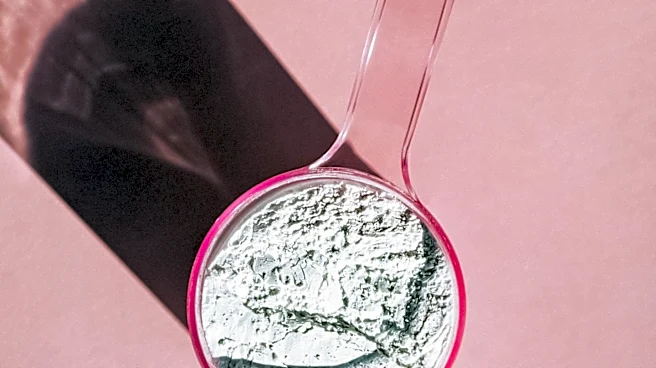
A recent review conducted by researchers from the University of Ottawa and the University of Toronto suggests that creatine, a dietary supplement commonly used by athletes, may serve as an adjunct treatment for major depressive disorder (MDD). The review analyzed
randomized controlled trials (RCTs) and found mixed evidence regarding the effectiveness of creatine in improving depression symptoms. The studies varied in creatine dosage, treatment duration, and participant characteristics, with most participants being female. Some trials showed promising results, particularly in women taking creatine alongside the antidepressant escitalopram, while others found little to no benefit. The review highlights the need for further large-scale studies to confirm these findings.
Why It's Important?
The potential use of creatine as an adjunct treatment for depression is significant given the high prevalence of depression and the fact that many individuals experience only partial or no response to existing medications. Creatine's role in cellular energy metabolism and its potential effects on brain chemicals like dopamine and serotonin could offer a new avenue for treatment. However, the mixed results and the small scale of the studies underscore the necessity for more comprehensive research. If proven effective, creatine could provide a cost-effective and accessible option for enhancing current depression treatments, potentially benefiting millions of individuals worldwide.
What's Next?
Further research is needed to establish the efficacy of creatine as a treatment for depression. Larger, more diverse studies could help determine the optimal dosage and treatment duration, as well as identify any potential side effects or contraindications, particularly in populations such as those with bipolar disorder. The medical community and regulatory bodies may need to consider these findings when developing treatment guidelines for depression. Additionally, ongoing studies could explore the gender-specific effects of creatine, as initial findings suggest it may affect males and females differently.
Beyond the Headlines
The exploration of creatine as a treatment for depression also raises questions about the broader implications of using dietary supplements in mental health care. This approach could lead to a shift in how mental health conditions are managed, emphasizing the role of nutrition and lifestyle in conjunction with traditional pharmacological treatments. Ethical considerations regarding the promotion and regulation of supplements in mental health care will also need to be addressed, ensuring that patients receive safe and evidence-based treatments.