



What's Happening?
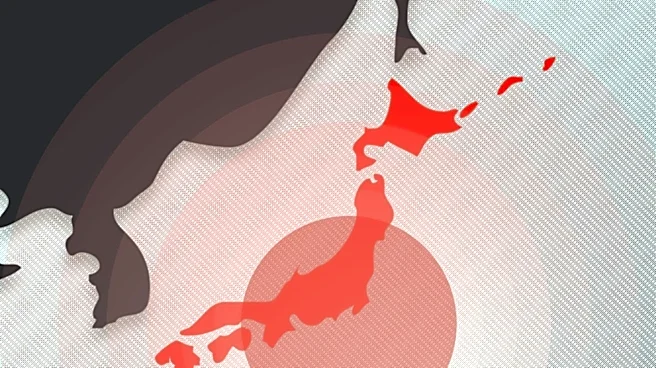
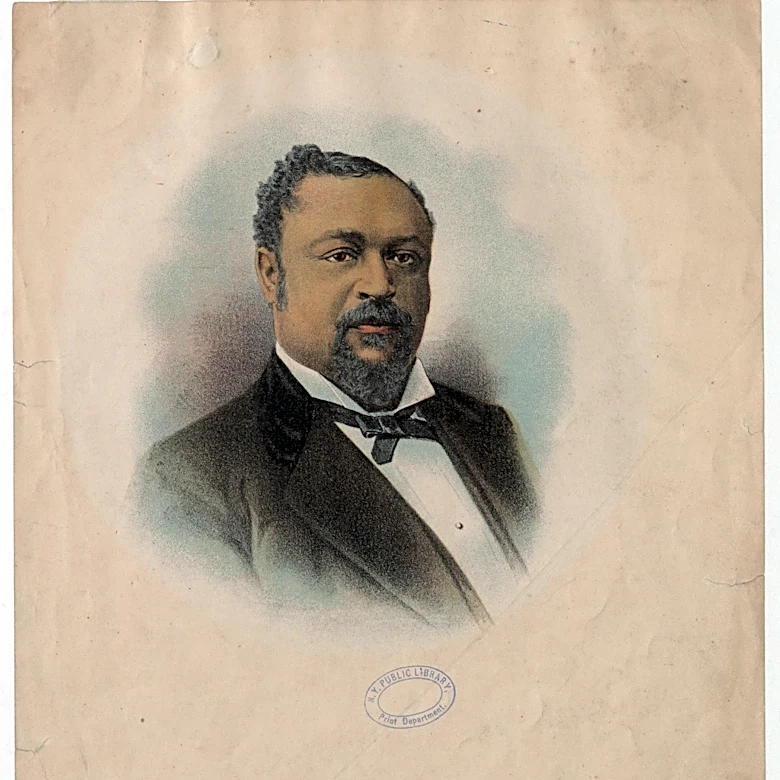
In 1854, during a tsunami that struck Hiro, Japan, soy sauce maker Hamaguchi Goryō used rice-straw fires to guide villagers to higher ground in the darkness. This event occurred on December 24, 1854, following the Ansei-Nankai earthquake. Goryō, who nearly
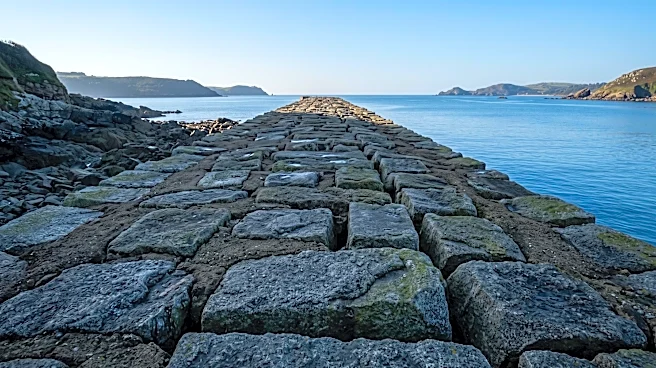
drowned himself, returned to help others, setting fires to illuminate the path to Hirohachiman Shrine. The US Geological Survey credits these fires with guiding nine people to safety, though 36 lives were lost. Following the disaster, Goryō financed and oversaw the construction of an embankment from 1855 to 1858. This structure, measuring 652.3 meters long and 3-3.4 meters high, was designed to protect the community from future tsunamis. The embankment proved effective, notably protecting most of Hiro during the 1946 Nankai tsunami, 88 years after its completion. Goryō also provided housing, tools, and fishing equipment to help families rebuild and offered employment through the embankment's construction.
Why It's Important?
Hamaguchi Goryō's actions highlight the critical role of individual initiative and community resilience in disaster response and preparedness. His immediate response during the 1854 tsunami, using fires as a guide, saved lives and became a significant historical account, later popularized in literature. More importantly, his long-term investment in the embankment provided a lasting protective measure for generations. This foresight in disaster mitigation demonstrates the profound impact that private citizens can have on public safety and infrastructure. The embankment not only offered physical protection but also provided economic stability by creating jobs during the recovery phase, preventing residents from leaving due to lack of livelihood. This historical example underscores the value of proactive disaster planning and the integration of community welfare with protective infrastructure, offering lessons for modern disaster management strategies globally.
What's Next?
The legacy of Hamaguchi Goryō continues to influence disaster preparedness and awareness. The embankment he financed remains a national historic site, and his story, known as 'Inamura no Hi' ('The Fire of Rice Sheaves'), is taught in Japanese schools. The United Nations designated November 5 as World Tsunami Awareness Day, citing this account. Hirogawa Town continues to commemorate the event with its Tsunami Festival, involving residents and students in maintaining the embankment and participating in memorial ceremonies. Educational facilities like the Inamura-no-Hi no Yakata museum preserve Goryō's history and provide tsunami education. These ongoing efforts ensure that the lessons from the 1854 tsunami and Goryō's response are passed down, reinforcing the importance of community preparedness and robust infrastructure in mitigating the impact of natural disasters.
Beyond the Headlines
The story of Hamaguchi Goryō extends beyond a simple account of disaster response; it delves into the ethical and cultural dimensions of community responsibility and long-term planning. The literary adaptation of his actions, particularly Lafcadio Hearn's 'A Living God,' transformed the historical event into a powerful narrative, albeit with some factual alterations. This highlights the interplay between historical accuracy and cultural storytelling in shaping public memory and educational lessons. The Japan Meteorological Agency (JMA) explicitly distinguishes the literary version from the historical event, emphasizing crucial practical differences, such as the fact that the sea does not always recede before a tsunami. This distinction is vital for effective public education, ensuring that lessons learned from historical events are based on accurate scientific understanding rather than dramatized narratives, thereby enhancing real-world preparedness and safety.