



What's Happening?
Mayor Bob Nelson was selected for re-election in Spring Lake Park, Minnesota, after a rare tie in the mayoral race. Both Mayor Nelson, the incumbent, and challenger Halyn Roth received exactly 1,401 votes. The tie was resolved through a random drawing
held in the city council chambers. A council member drew one of two identical canisters from a bag, each containing a candidate's name, and Nelson's name was selected. This method of resolution is used in cases of electoral ties. However, Halyn Roth, who was running for public office for the first time, has since filed for a recount, leaving the final outcome of the mayoral race unsettled. The situation highlights the close margins and unique procedures that can occur in local elections.
Why It's Important?
This event underscores the critical importance of every single vote in local elections and the democratic processes in place to resolve electoral ties. The reliance on a random drawing to determine a mayoral outcome, even temporarily, illustrates the fragility and precision required in electoral systems. A recount, as requested by Roth, is a fundamental aspect of ensuring electoral integrity and public confidence in results, especially when the initial outcome is decided by chance. For Spring Lake Park, the uncertainty surrounding its leadership could impact local governance and policy decisions until a definitive winner is declared. It also serves as a reminder to citizens about the direct impact of their participation in local politics, where a single vote can literally make the difference.
What's Next?
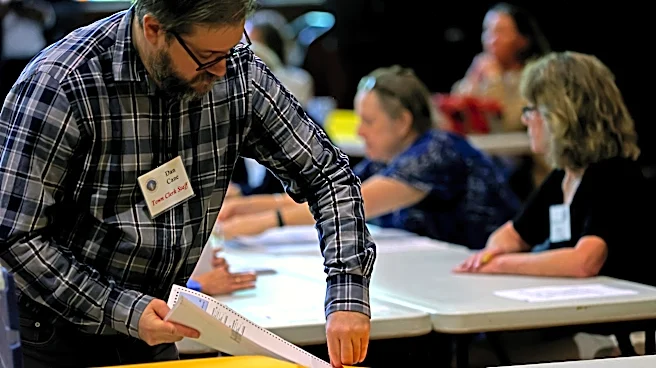
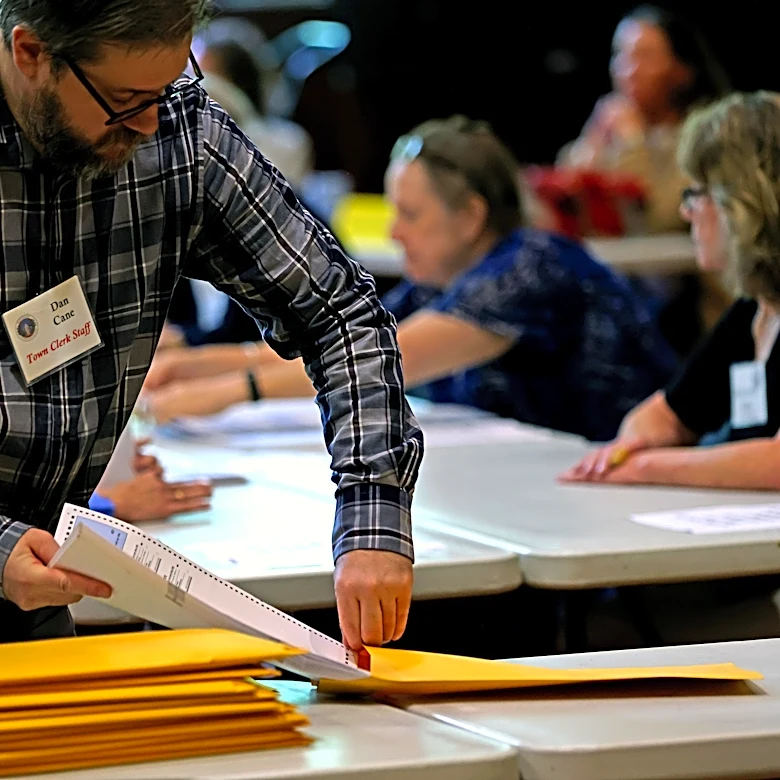
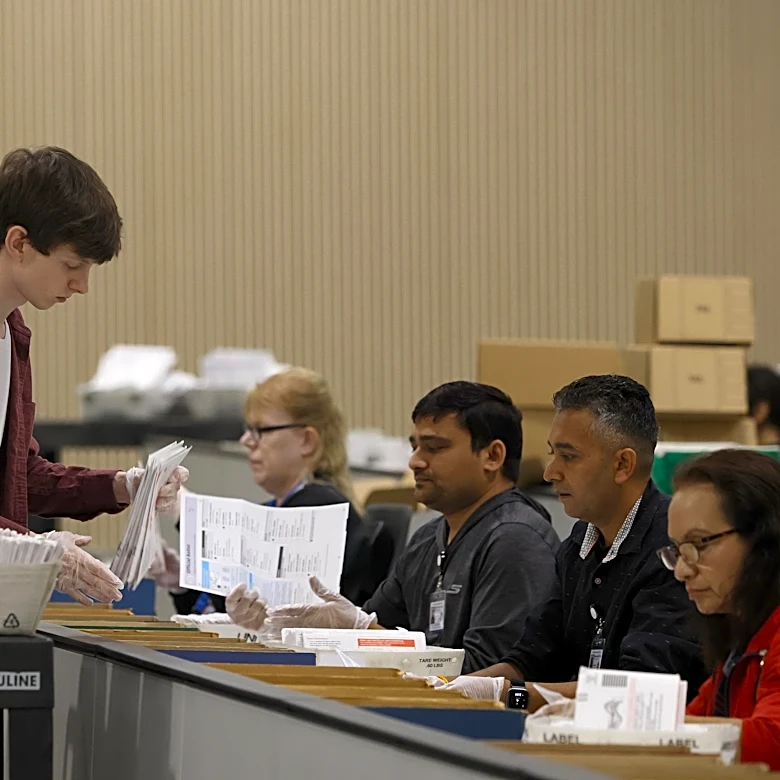
The immediate next step is the recount requested by challenger Halyn Roth. This process will involve a meticulous review of all ballots cast to ensure accuracy and verify the initial vote count. Depending on the recount's findings, the outcome could either confirm Mayor Nelson's victory or declare Roth as the winner. If the recount still results in a tie, further procedures, potentially another drawing or a special election, might be necessary according to local electoral laws. The final resolution will determine the leadership of Spring Lake Park and allow the city to move forward with its governance. The situation will likely remain a focal point for local residents and political observers until a conclusive result is announced.
Beyond the Headlines
The Spring Lake Park mayoral race, decided by a random drawing and now subject to a recount, brings to light broader discussions about electoral fairness and the mechanisms for resolving deadlocks in democratic systems. While random drawings are a legally accepted method in some jurisdictions for tie-breaking, they can raise questions about the spirit of democratic representation, where leadership is ideally determined by voter preference rather than chance. This incident could prompt future discussions within the community and potentially among state lawmakers about alternative or supplementary tie-breaking procedures that might be perceived as more reflective of voter intent, such as run-off elections, especially in races with significant public interest and impact. It also highlights the dedication and perseverance of first-time candidates like Roth, who are willing to pursue all available avenues to ensure a fair electoral process.