






What's Happening?
UPMC HealthBeat highlights the critical role of diet in maintaining bladder health and preventing common urinary issues such as urgency, incontinence, and infections. The article explains that compounds from consumed foods and beverages interact with
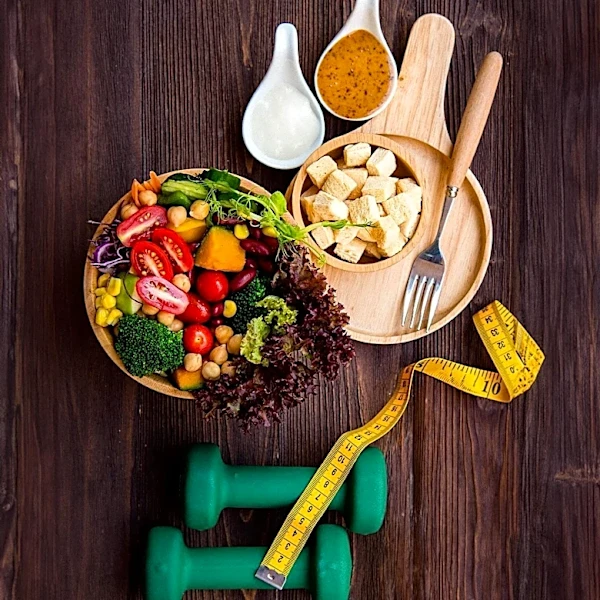
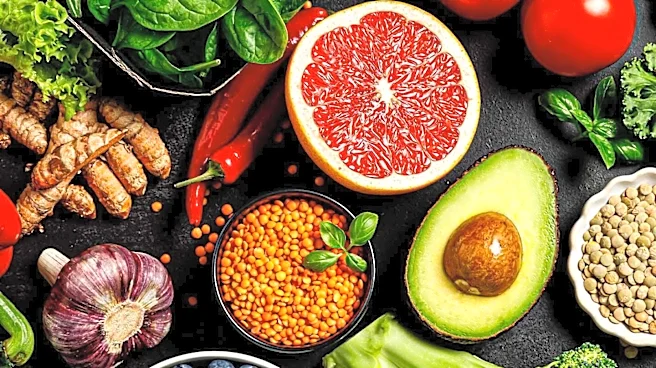
the bladder lining, influencing its health. While some foods contain anti-inflammatory properties that can soothe the bladder, others can irritate it. Key recommendations for a bladder-friendly diet include consuming plenty of fluids, especially water and certain herbal teas, lean proteins, low-acid fruits like bananas and blueberries, olive oil, and a variety of vegetables such as broccoli and carrots. Whole grains are also emphasized for their fiber content, which helps prevent constipation and reduces pressure on the bladder. Conversely, the article advises limiting or avoiding alcoholic beverages, artificial sweeteners, carbonated drinks, chocolate, citrus fruits, coffee, spicy foods, tomatoes, and ultra-processed foods, as these can irritate the bladder.
Why It's Important?
This information is crucial for public health in the U.S., as bladder problems are common and can significantly impact an individual's quality of life. By emphasizing dietary interventions, UPMC HealthBeat provides accessible and actionable advice that can empower individuals to proactively manage their urinary health. A focus on diet as a primary preventative and management tool could reduce the reliance on medications or more invasive treatments for bladder issues. This approach could lead to lower healthcare costs and improved well-being for many Americans. Understanding which foods to embrace and which to avoid can help individuals, particularly as they age and bladder issues become more prevalent, maintain better control over their health and reduce discomfort and embarrassment associated with urinary conditions.
What's Next?
Individuals experiencing bladder issues are encouraged to implement these dietary and lifestyle changes. If symptoms persist or worsen, consulting a healthcare professional is recommended to determine the root cause and develop a personalized treatment plan. The article suggests that while natural remedies found online often lack scientific backing, the recommended dietary and lifestyle adjustments are the most effective natural approaches. Continued research into the specific impacts of various foods on bladder health may further refine these recommendations. Public health campaigns could also leverage this information to educate a broader audience on the importance of diet in urinary wellness, potentially leading to a decrease in the prevalence of diet-related bladder problems.
Beyond the Headlines
The emphasis on diet for urinary health underscores a broader trend in healthcare towards holistic and preventative approaches. This perspective highlights the interconnectedness of various bodily systems and how daily choices, particularly dietary ones, can have far-reaching effects beyond immediate digestion. It also challenges the common perception that bladder issues are solely a matter of aging or genetics, placing more agency in the hands of individuals through their lifestyle choices. This shift towards self-management and preventative care through diet could influence how other chronic conditions are approached, promoting a more integrated view of health where nutrition plays a central role in overall well-being, not just for specific organs.