
What's Happening?
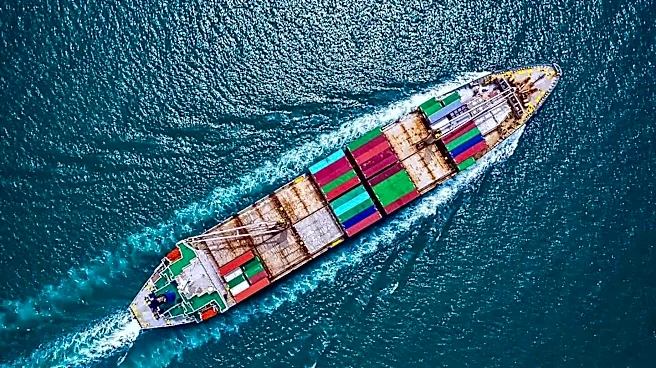
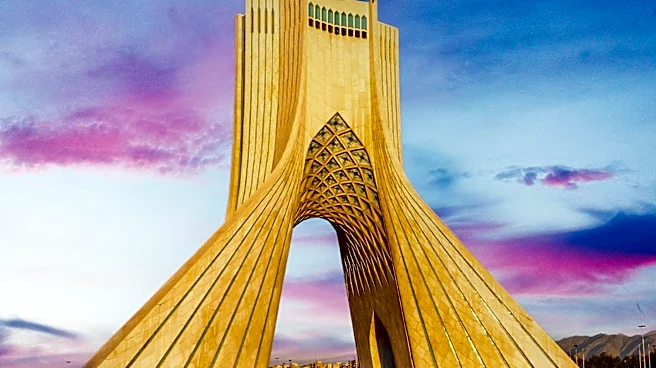
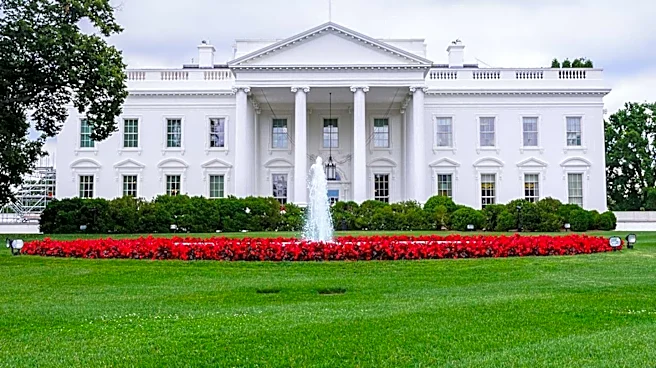
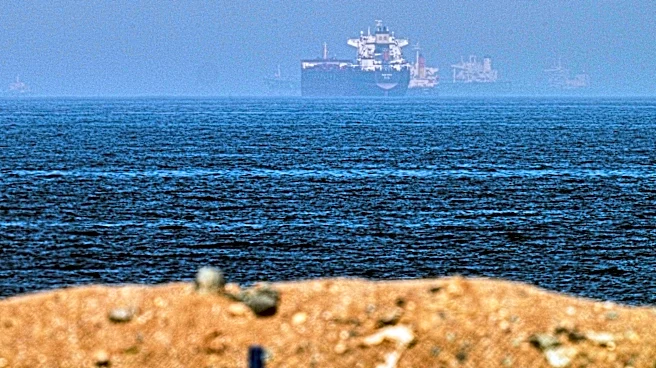
President Trump is currently navigating a complex situation in the ongoing conflict with Iran. The primary issue revolves around the strategic control of the Strait of Hormuz, a critical maritime chokepoint. Trump is faced with the decision of either
allowing Iran to exert control over the strait or escalating military actions, which could lead to further political backlash, especially with the midterm elections approaching. The current blockade strategy has not provided a clear resolution to the conflict, leaving Trump in a challenging position. Analysts suggest that Trump may need to reassess the situation and consider new strategies to address the conflict effectively.
Why It's Important?
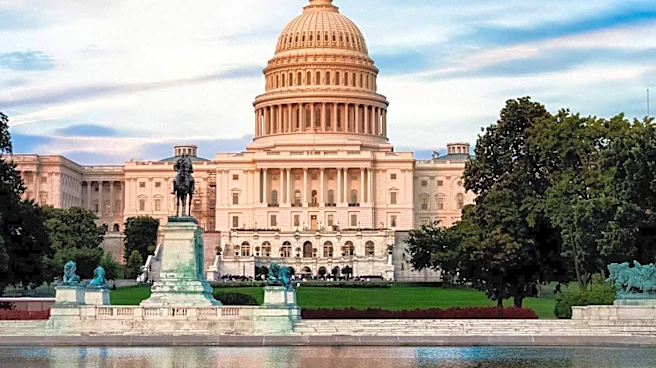
The situation in the Strait of Hormuz is significant due to its impact on global oil supply and international trade. Any disruption in this region could lead to increased oil prices and economic instability. For the U.S., maintaining influence in the region is crucial for both economic and geopolitical reasons. The conflict also poses a political risk for President Trump, as military escalation could lead to domestic and international criticism, potentially affecting his political standing and the outcome of the upcoming midterm elections. The decisions made in this context will have far-reaching implications for U.S. foreign policy and its relations with Middle Eastern countries.
What's Next?
The next steps in this conflict are uncertain, but potential outcomes include diplomatic negotiations or increased military presence in the region. The U.S. may seek to engage with allies to form a coalition to address the situation collectively. Alternatively, Trump could opt for a more aggressive military strategy, though this carries significant risks. The international community will be closely monitoring the situation, and any developments could prompt reactions from major global powers, influencing the broader geopolitical landscape.