





What's Happening?
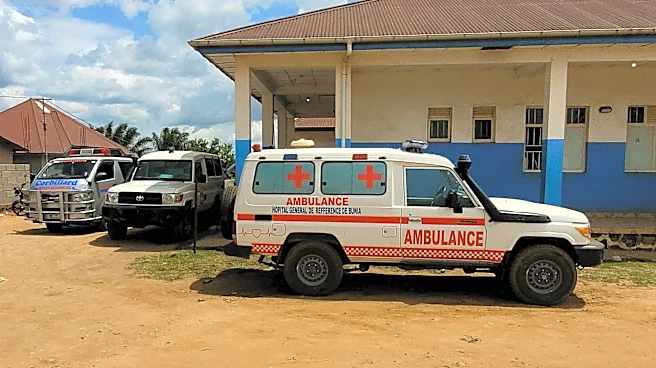
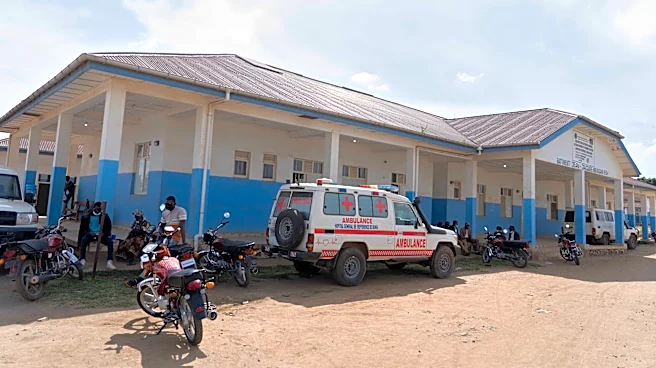
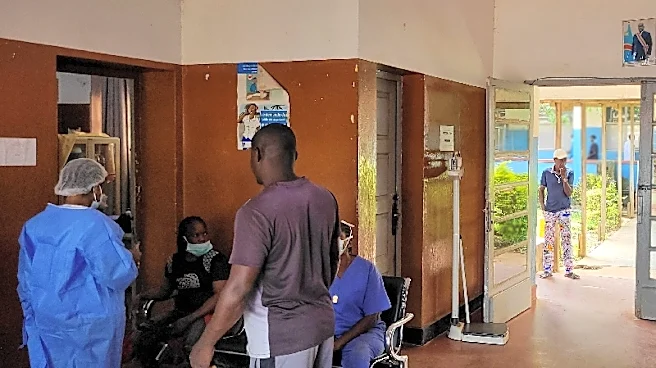
A new Ebola outbreak in the Democratic Republic of Congo has raised concerns about the timing of its detection and the U.S. response. The outbreak, declared an international public health emergency, has resulted in over 200 infections and more than 80
deaths. The strain, identified as Bundibugyo, is rare and lacks approved vaccines or treatments. The U.S. Centers for Disease Control and Prevention (CDC) is involved in managing the situation, including relocating affected Americans for treatment. However, funding cuts to U.S. health agencies and the withdrawal from the World Health Organization have reportedly weakened the international response capacity.
Why It's Important?
The outbreak highlights the critical role of international cooperation and funding in managing global health crises. The U.S. has traditionally been a leader in such efforts, but recent funding cuts have raised concerns about its ability to respond effectively. The reduction in humanitarian aid and disease surveillance capacity could hinder efforts to control the outbreak, potentially leading to wider spread and increased fatalities. This situation underscores the importance of sustained investment in global health infrastructure to prevent and manage future outbreaks.
What's Next?
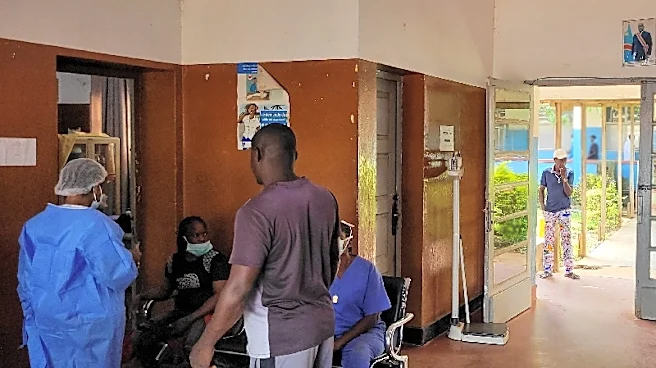
International health agencies, including the CDC, are working to contain the outbreak by deploying staff and resources to the affected areas. Efforts are focused on identifying cases, providing care, and isolating contacts to prevent further spread. The weakened response infrastructure may pose challenges, but ongoing international collaboration and support are crucial to managing the crisis. The situation may prompt discussions on restoring funding and strengthening global health partnerships to enhance preparedness for future outbreaks.