




What's Happening?
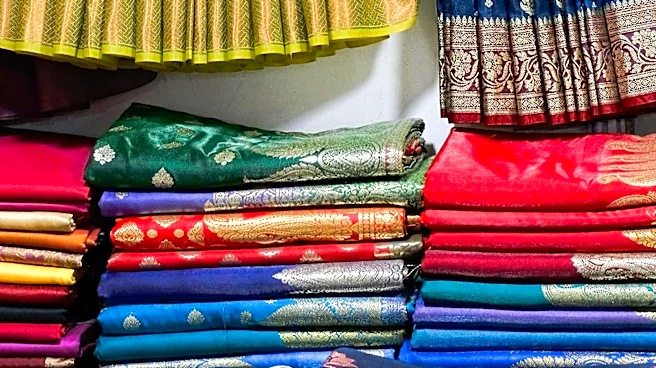
India has secured a lower 10% tariff under the US Section 301 tariffs, which is less than the 12.5% rate for several other countries. However, Indian textile exporters remain concerned due to the lack of tariff-rate quota (TRQ) exemptions, which have
been granted to competitors like Bangladesh, Cambodia, Indonesia, and Malaysia. These exemptions allow specified quantities of textile imports manufactured using US-origin cotton and fiber to enter the US market without additional tariffs, giving these countries a competitive edge.
Why It's Important?
The absence of TRQ exemptions for India could impact its competitiveness in the US textile market, despite the lower tariff rate. This situation highlights the complexities of international trade agreements and the importance of securing favorable terms to maintain market share. The textile industry is a significant contributor to India's economy, and any disadvantage in key export markets could have broader economic implications.
What's Next?
Ongoing negotiations between India and the US regarding a bilateral trade deal will be crucial. Securing preferential access and lower tariffs for Indian exports could help mitigate the competitive disadvantages currently faced by Indian textile exporters. The outcome of these negotiations will be closely watched by industry stakeholders.