





What's Happening?
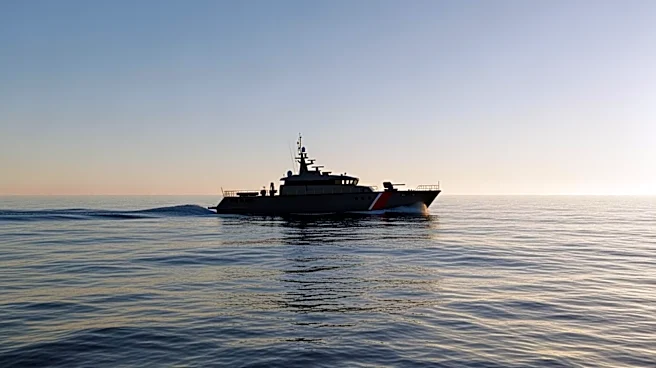
The United States Coast Guard (USCG) is advancing its security operations in the Arctic by establishing homeports for its new fleet of Arctic Security Cutters (ASCs) in Alaska. The USCG has announced that the first two ASCs will be stationed in Kodiak,
with a third planned for Seward once the necessary infrastructure is completed. This strategic move is part of a broader effort to bolster maritime security in the High North, an area of increasing geopolitical interest. The first ASC is expected to be delivered by 2028, and preparations are underway to ensure that the facilities in Kodiak and Seward are equipped to support these operations. Admiral Kevin Lunday, the USCG commandant, emphasized the importance of this initiative for national security, highlighting the need to defend the northern border and address evolving threats effectively.
Why It's Important?
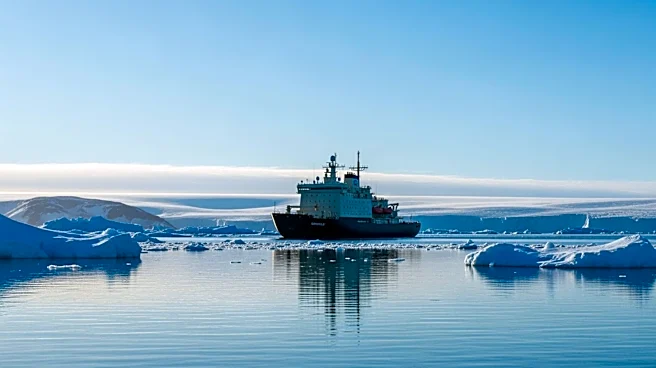
The decision to homeport Arctic Security Cutters in Alaska underscores the growing strategic importance of the Arctic region. As global warming opens new maritime routes and increases accessibility, the Arctic has become a focal point for international competition. The USCG's enhanced presence aims to secure American interests and maintain maritime dominance in the region. This move is crucial for national security, as it enables the US to respond swiftly to potential threats and assert its sovereignty in the Arctic. The investment in infrastructure and advanced icebreakers also reflects a commitment to long-term operational capabilities in the face of changing environmental and geopolitical dynamics.
What's Next?
The USCG will continue to develop the necessary infrastructure in Kodiak and Seward to support the Arctic Security Cutters. This includes advancing critical facilities and housing for ASC crews. As the first ASC is expected by 2028, the USCG will likely focus on ensuring that all logistical and operational aspects are in place to facilitate seamless Arctic operations. Additionally, the USCG may engage with international partners to address shared security concerns in the Arctic, fostering collaboration in this strategically vital region.