





What's Happening?
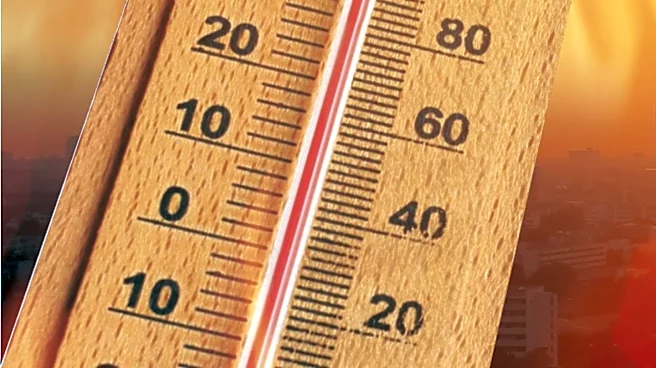
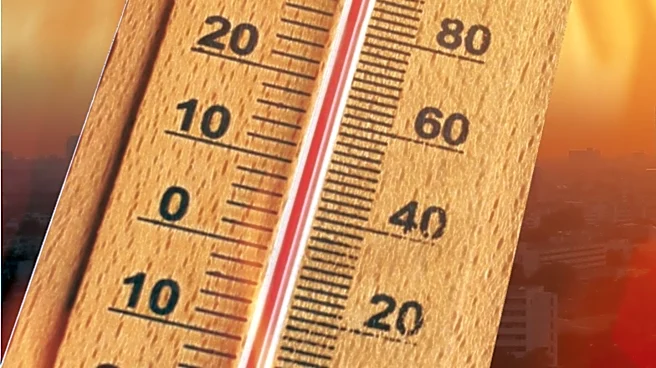
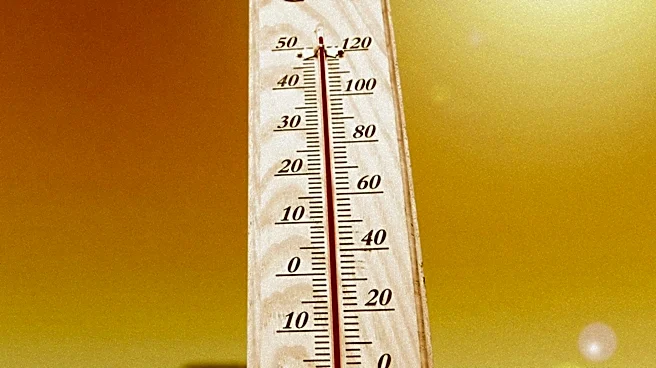
Extreme heat is significantly impacting daily life in the Southern United States, with temperatures consistently exceeding 90 degrees Fahrenheit. This has led to changes in behavior, such as shifting outdoor activities to cooler parts of the day and increased
reliance on air conditioning, which is driving up utility bills. The heat is also affecting infrastructure, causing roads to buckle and increasing the strain on electrical grids. Agricultural production is being disrupted, with increased irrigation needs and reduced milk production among dairy cows. The Centers for Disease Control and Prevention warns that such extreme heat events are expected to become more frequent and severe due to climate change.
Why It's Important?
The persistent extreme heat poses serious health risks, particularly for vulnerable populations such as the elderly and those with pre-existing health conditions. The economic impact is also significant, with increased costs for cooling and potential losses in agricultural productivity. The situation highlights the urgent need for climate adaptation strategies and infrastructure improvements to mitigate the effects of extreme weather. Public health campaigns and community support systems are crucial to protect at-risk populations and ensure access to cooling resources.
What's Next?
Local governments and communities are likely to implement measures to cope with the heat, such as opening cooling centers and promoting energy-efficient practices. Long-term, there may be increased investment in infrastructure resilience and urban planning to address the challenges posed by climate change. Public awareness campaigns will continue to emphasize the importance of hydration and heat safety. The situation may also prompt policy discussions on climate change mitigation and adaptation strategies at the state and national levels.