






What's Happening?
The upcoming COP31 climate conference is being called upon to integrate plastic pollution more firmly into the global climate agenda, advocating for a legally binding Global Plastics Treaty. Plastic pollution is identified as a significant climate, public
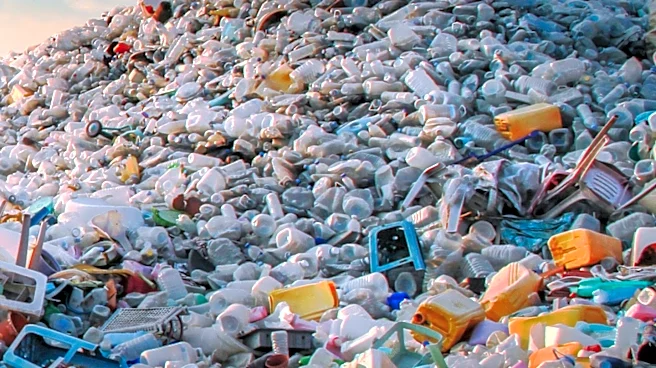
health, and environmental justice issue, with plastics generating emissions throughout their entire life cycle, from fossil fuel extraction and petrochemical manufacturing to consumption and disposal. In 2019, plastics accounted for approximately 1.8 billion tonnes of greenhouse gas emissions, representing 3.4% of global emissions, with 90% originating from production and the conversion of fossil fuel feedstocks. The production of most conventional plastics relies on energy-intensive processes using oil and natural gas, and their incineration or open burning at the end of life releases carbon dioxide and hazardous air pollutants. The current recycling infrastructure is deemed insufficient to offset the continuous increase in virgin plastic production, highlighting the urgent need for a fundamental shift in how plastics are produced, used, and managed globally.
Why It's Important?
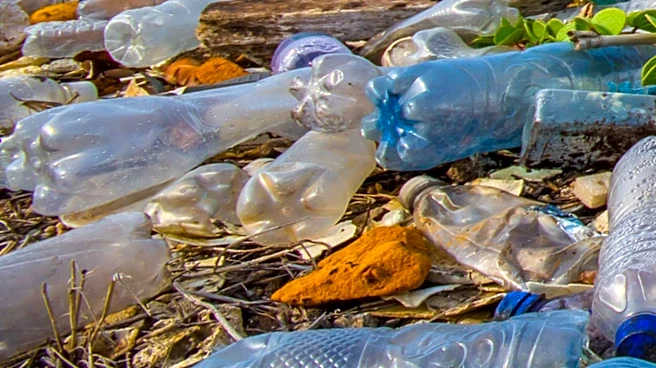
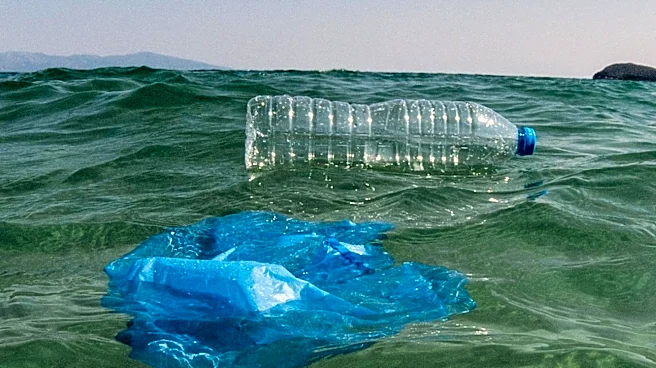
Addressing plastic pollution is crucial for global climate action and environmental resilience. The pervasive nature of plastic waste undermines marine and coastal ecosystems, such as mangroves and wetlands, which are vital for biodiversity, carbon storage, and protection against climate-related hazards. In urban areas, discarded plastics exacerbate localized flooding by blocking drains and waterways, damaging infrastructure, and exposing communities to contaminated water. This issue disproportionately affects low-income communities and informal waste workers. A legally binding Global Plastics Treaty would establish common international obligations, measurable targets, and accountability mechanisms across the entire plastic life cycle. This is essential because voluntary corporate pledges and national initiatives have proven inadequate in tackling a global plastics system driven by expanding production and fragmented regulations. Such a treaty could significantly reduce emissions, protect ecosystems, and strengthen climate resilience, particularly for vulnerable nations.
What's Next?
COP31 is expected to play a pivotal role in closing the gap between climate ambition and implementation by formally incorporating plastics into the global climate agenda. Discussions will likely focus on transitioning away from fossil fuels, specifically addressing their expanding use as feedstocks for plastics, alongside their roles in energy and transport. Governments are urged to enhance coordination between climate ministries and plastics negotiators to ensure national climate plans and plastics policies are mutually reinforcing. Cities are encouraged to prioritize waste prevention, reuse, composting, and effective material recovery, supported by clear baselines, measurable targets, and monitoring systems for emissions and environmental outcomes. Furthermore, there is a call for predictable financial resources, technology transfer, and capacity-building for developing countries to implement their obligations under a potential treaty, ensuring a just transition that protects vulnerable communities and informal waste workers.
Beyond the Headlines
The push for a legally binding Global Plastics Treaty at COP31 highlights a deeper recognition of the interconnectedness of environmental crises. It underscores that climate action cannot be effectively pursued in isolation from other ecological challenges like plastic pollution. The emphasis on reducing virgin plastic production and prioritizing reuse and circular design signals a shift away from end-of-pipe solutions like recycling, which are increasingly seen as insufficient. The discussion also touches upon the ethical dimensions of environmental justice, acknowledging that communities least responsible for global emissions often bear the greatest consequences of environmental degradation. Furthermore, the caution against 'false solutions' like certain bioplastics or chemical recycling without transparent life-cycle analyses points to a growing demand for genuinely sustainable and holistic approaches, rather than those that merely shift environmental burdens or create new problems.