




What's Happening?
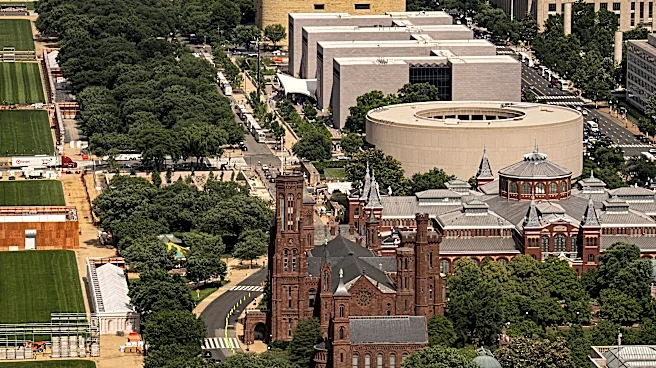
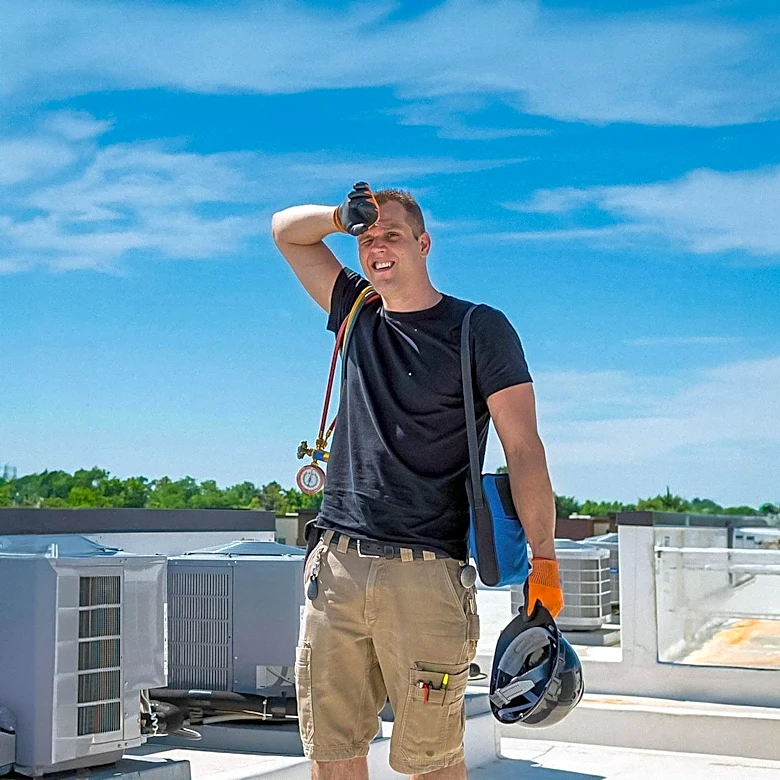
The Smithsonian Institution utilizes Engineering Technicians (Mechanical) to perform redesigns and system modifications across its facilities. These technicians are responsible for a variety of duties, including troubleshooting and resolving immediate
problems, analyzing and assessing facilities, systems, and infrastructure, and reviewing and preparing estimates, scopes of work, specifications, and proposals. Their work involves major integrated mechanical and electrical systems, such as Siemens APOGEE Building Automation Systems, Direct Digital Control (DDC) systems, electric power systems, and HVAC systems. They also conduct studies and engineering evaluations for potential energy conservation projects, recommending practical and cost-effective measures to conserve energy and water. Furthermore, these technicians prepare procurement packages for repairs, modifications, and upgrades to various building automation and utility metering systems. The role requires a practical knowledge of engineering principles, techniques, methods, and precedents, with experience in areas like drafting, surveying, construction estimating, and mechanical systems.
Why It's Important?
The continuous employment of engineering technicians for system redesigns and modifications at the Smithsonian Institution is crucial for maintaining the operational integrity and efficiency of its vast and complex facilities. As a national treasure housing invaluable collections and hosting millions of visitors annually, the Smithsonian relies on advanced infrastructure to preserve artifacts, regulate environmental conditions, and ensure public safety. The technicians' work in optimizing HVAC, electrical, and building automation systems directly impacts energy consumption, contributing to sustainability efforts and cost savings for a publicly funded institution. Their ability to analyze and resolve complex system operations and problems prevents potential disruptions to exhibitions and research, safeguarding the institution's mission. Moreover, their involvement in energy conservation projects aligns with broader national goals for environmental stewardship and responsible resource management, setting an example for other large public and private entities.
What's Next?
The Smithsonian Institution will likely continue to invest in its engineering and technical staff to ensure the ongoing modernization and maintenance of its facilities. As technology advances, there will be a continuous need for skilled technicians capable of integrating new systems and optimizing existing ones for efficiency and sustainability. Future efforts may focus on further enhancing smart building technologies, predictive maintenance, and advanced energy management solutions. The institution may also explore opportunities for professional development and training for its engineering technicians to keep pace with emerging industry standards and innovations. This sustained commitment to infrastructure management will be vital for the Smithsonian to continue its role as a leading cultural and scientific institution, providing a safe and optimal environment for its collections, staff, and visitors.
Beyond the Headlines
The work of engineering technicians at the Smithsonian extends beyond mere technical maintenance; it underpins the institution's ability to fulfill its educational and preservation mandates. The meticulous control of environmental factors, such as temperature and humidity, is critical for the long-term conservation of delicate artifacts and artworks. Any failure in these systems could lead to irreversible damage to priceless national treasures. Furthermore, the focus on energy conservation reflects a broader ethical responsibility for large institutions to minimize their environmental footprint. By implementing sustainable practices, the Smithsonian not only saves taxpayer money but also models responsible stewardship for the public. This commitment to operational excellence and sustainability reinforces the institution's role as a leader in cultural preservation and environmental consciousness, demonstrating how technical expertise is integral to its overarching mission.