







What's Happening?
The United States is the world's leading exporter of secondhand clothing, accounting for nearly 18 percent of global secondhand clothing exports by value, totaling approximately 700,000 metric tons annually. Despite the perception that these exports contribute
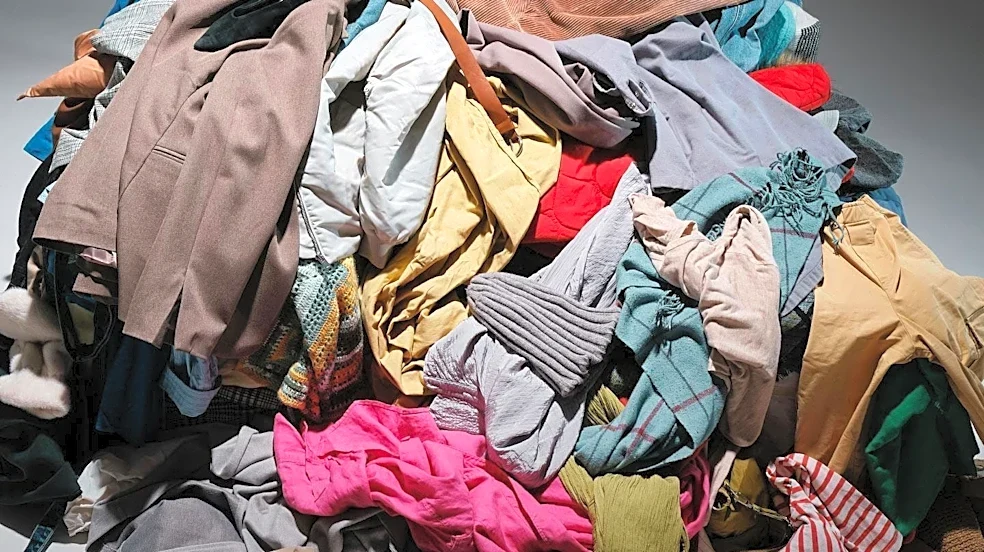
to a circular economy, a significant portion of donated clothing from the U.S. ends up as environmental waste in countries in the Global South, such as Ghana, Bangladesh, Pakistan, and Kenya. There is currently no federal regulation in the U.S. governing the quality of clothing exported as secondhand. Exporters are not required to verify the wearability of donated clothing before shipping it overseas, and there is no accountability mechanism for when these items become waste abroad. For instance, in Accra, Ghana's Kantamanto market, an estimated 15 million garments arrive weekly, with roughly 40 percent immediately discarded due to poor quality, leading to significant environmental pollution and waste management challenges.
Why It's Important?
This lack of federal oversight in U.S. secondhand clothing exports has significant environmental and social implications for recipient nations. The influx of unwearable garments overwhelms waste management systems in countries that often lack the necessary infrastructure and regulatory frameworks to handle such volumes. This leads to widespread dumping in landfills, open-air burning, and contamination of waterways with microplastics, impacting aquatic ecosystems and local livelihoods, such as fishing. The environmental burden disproportionately affects communities in the Global South, who bear the cost of managing waste generated by the consumption patterns of wealthier nations. Furthermore, the practice undermines the intended positive impact of clothing donations, transforming what is often seen as an act of charity into an environmental crisis for others. The issue highlights a governance gap where the U.S. leads in exports but lacks responsibility for the post-export environmental consequences.
What's Next?
To address this issue, federal regulators in the U.S. are urged to establish minimum quality standards for secondhand clothing exports. This would ensure that only wearable items are shipped overseas, preventing the transfer of unwearable waste to countries with limited waste management capabilities. Additionally, extended producer responsibility frameworks, currently under development at the state level, should be expanded to explicitly account for the global destination of exported textiles. This would place financial responsibility on fashion brands whose overproduction contributes to the export of unsellable garments, compelling them to contribute to environmental remediation costs in affected countries. Consumers also have a role to play by adopting 'slow fashion' practices, focusing on buying fewer, higher-quality items that last longer, rather than treating clothing as disposable.
Beyond the Headlines
The issue of secondhand clothing exports from the U.S. reveals deeper ethical and economic dimensions related to global waste inequality and the true cost of fast fashion. The term 'obroni w'awu' ('dead white man's clothes') used in Ghana for these garments underscores the cultural and social impact of receiving discarded items from the Global North, often of poor quality. This practice perpetuates a cycle where the environmental consequences of overconsumption in developed nations are externalized to developing countries. It challenges the notion of a 'circular economy' when a significant portion of exported items are not reused but become immediate waste. The situation calls for a re-evaluation of global trade practices in textiles, emphasizing producer responsibility and consumer awareness to foster a more equitable and sustainable global fashion ecosystem.