




What's Happening?
The North Carolina Department of Health and Human Services has reported a significant increase in Legionnaires' disease cases, with a 50% rise from 201 cases in 2024 to 310 cases last year. Legionnaires' disease is a severe form of pneumonia caused by
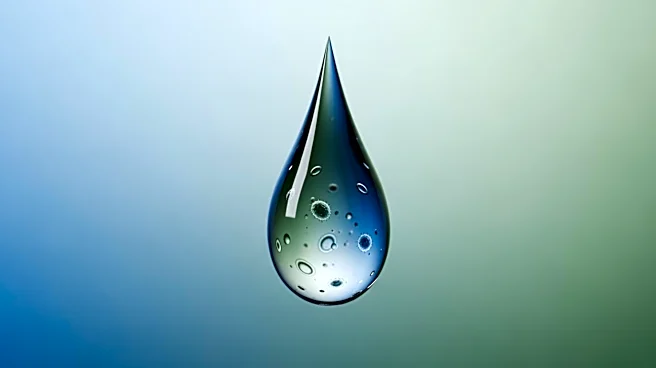
Legionella bacteria, which thrive in warm, moist environments such as hot tubs and water fountains. The disease primarily affects smokers, individuals over 50, and those with chronic lung conditions or weakened immune systems. Health officials are raising awareness and advising residents on preventive measures, such as maintaining hot water heaters at appropriate temperatures and using distilled water for medical devices.
Why It's Important?
The rise in Legionnaires' disease cases poses a public health concern, particularly for vulnerable populations. The increase highlights the need for public awareness and preventive measures to reduce the risk of infection. Health officials' efforts to educate the public on maintaining safe environments and proper hygiene practices are crucial in preventing the spread of the disease. The situation underscores the importance of monitoring and regulating public water systems and facilities to ensure they do not become breeding grounds for harmful bacteria. The rise in cases may prompt health authorities to implement stricter guidelines and inspections for facilities with potential Legionella exposure.
What's Next?
Health officials are likely to continue their efforts to educate the public on preventive measures and the risks associated with Legionnaires' disease. Increased monitoring and inspections of public water systems and facilities may be implemented to prevent further outbreaks. The state may consider additional resources and support for healthcare providers to manage and treat cases effectively. Public health campaigns and community outreach programs could be launched to raise awareness and encourage preventive practices among residents. The situation may also lead to policy discussions on improving water quality standards and regulations to prevent future outbreaks.