



What's Happening?
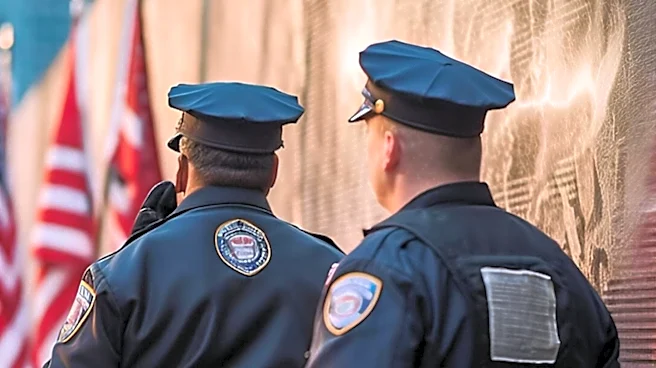
The 9/11 Memorial and Museum in New York City was vandalized earlier this week when Jonathan Tijerina, 31, spray-painted the name of his anti-gun website, juststopkillingkids.com, onto the section of the memorial bearing victims' names. The incident occurred
on Monday but gained significant public attention by Wednesday. Tijerina was subsequently arrested and charged with criminal mischief and making graffiti. The graffiti was promptly removed by officials, ensuring no permanent damage to the memorial. The act has drawn strong condemnation from various political figures, predominantly Republicans, who have called for the suspect to be prosecuted to the fullest extent of the law. Rep. Elise Stefanik (R-NY) described the act as 'horrific,' while former New York Republican Gov. George Pataki labeled it a 'vile, disgraceful crime.' Rep. Nancy Mace (R-SC) characterized the vandalism as an act of 'special kind of evil,' emphasizing the sacred nature of the memorial. New York City Council Speaker Julie Menin, a Democrat, also condemned the defacement and thanked the NYPD for the swift arrest.
Why It's Important?
The vandalism of the 9/11 Memorial carries significant symbolic weight, as the site is considered sacred ground commemorating nearly 3,000 lives lost in the 2001 terrorist attacks. The act of defacing the names of victims is seen as a profound disrespect to the deceased and their families, who visit the memorial to mourn. The widespread outrage from political leaders across the spectrum underscores the enduring sensitivity and reverence associated with the 9/11 tragedy. This incident highlights the ongoing challenges of protecting public memorials from acts of desecration, especially when individuals attempt to use such sites to promote personal or political agendas. The swift arrest and removal of the graffiti demonstrate the authorities' commitment to preserving the integrity of the memorial and responding decisively to such acts. The incident also reignites discussions about appropriate forms of protest and the boundaries of expression, particularly when it infringes upon sites of collective grief and remembrance.
What's Next?
Jonathan Tijerina faces criminal charges of mischief and making graffiti, and the legal process will determine the consequences of his actions. The public and political reactions suggest that there will be pressure for a thorough prosecution to ensure accountability. Law enforcement and memorial authorities will likely review security measures at the 9/11 Memorial to prevent future incidents of vandalism, although the memorial is already under significant surveillance. The incident may also prompt broader discussions among policymakers and community leaders about how to balance freedom of expression with the protection of sensitive public monuments. While the physical damage was temporary, the emotional impact on the 9/11 community and the public at large may linger, potentially leading to renewed calls for respect and remembrance of the victims. Political figures who have spoken out may continue to use this incident to emphasize themes of national unity and respect for historical tragedies.
Beyond the Headlines
This act of vandalism transcends a simple property crime, touching upon deeper societal issues regarding collective memory, public grief, and the sanctity of memorial spaces. The use of a memorial dedicated to victims of terrorism to promote an anti-gun message, however well-intentioned the activist's cause, raises ethical questions about the appropriateness of such actions. It highlights a tension between advocacy for a cause and respect for sites of profound national tragedy. The incident could also be viewed as a symptom of a broader cultural climate where public spaces, including those of remembrance, are increasingly becoming arenas for political expression, sometimes at the expense of their intended purpose. The strong bipartisan condemnation suggests a shared understanding that certain sites hold a unique status that should be protected from partisan or individual agendas, reinforcing the idea that some spaces are sacrosanct in the national consciousness.