






What's Happening?
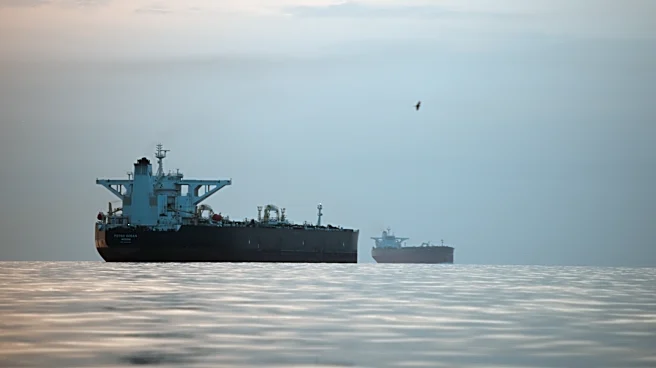
Oil prices have experienced a significant increase due to escalating tensions between the United States and Iran, particularly following attacks on commercial vessels in the Strait of Hormuz. Brent crude futures, a key benchmark for global oil prices,
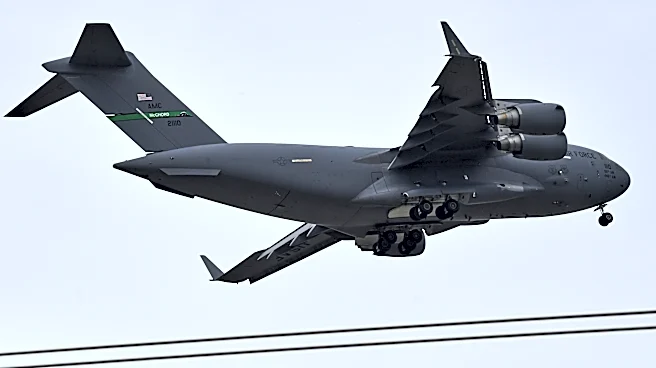
rose by over 7% in Asia, reaching $94.69 a barrel. This surge comes amid conflicting reports about the potential for renewed negotiations between Washington and Tehran. President Trump announced that US forces had seized an Iranian-flagged cargo vessel attempting to bypass the US blockade of Iranian ports. The situation is further complicated by Iran's reversal of its decision to keep the strait open, citing the ongoing US blockade. A two-week ceasefire between the two nations is set to expire soon, with no agreement reached in initial talks held in Islamabad.
Why It's Important?
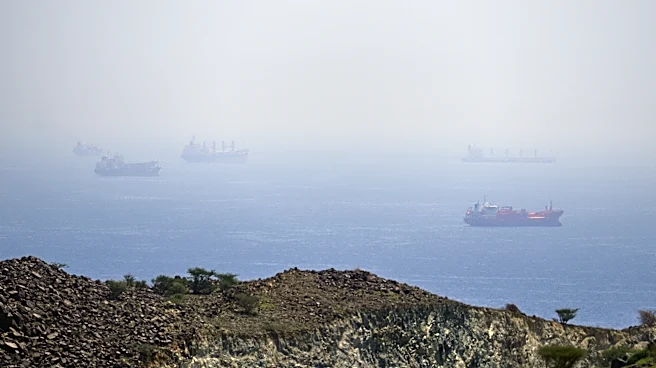
The rise in oil prices has significant implications for global markets and economies, particularly as the Strait of Hormuz is a critical chokepoint for oil and natural gas supplies, carrying about one-fifth of the world's supply. The increased prices are forcing governments to tap into emergency reserves and implement energy-saving measures. The uncertainty surrounding US-Iran relations and the potential for further disruptions in oil supply could lead to increased volatility in global markets. This situation affects not only energy prices but also has broader economic implications, potentially impacting inflation rates and economic growth in countries heavily reliant on oil imports.
What's Next?
The expiration of the current ceasefire between the US and Iran could lead to further escalation if no agreement is reached. The US delegation's planned talks in Pakistan may offer a chance for negotiation, but Iran's refusal to participate due to perceived excessive US demands complicates the situation. The international community will be closely monitoring these developments, as any further conflict could exacerbate the current energy crisis. Stakeholders, including governments and businesses, will need to prepare for potential disruptions in oil supply and consider alternative energy sources or strategies to mitigate the impact.