






What's Happening?
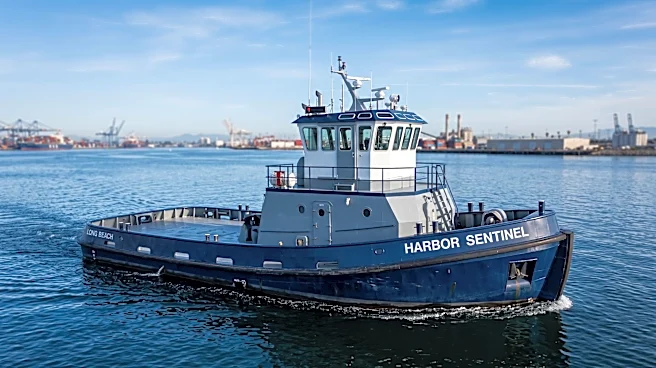
Arc, a marine technology company, has initiated the engineering phase for converting the 'Harbor Sentinel,' a 50-foot harbor tug owned by Pacific Maritime Group (PMG), to battery-electric power. This project is supported by funding from the Port of Long
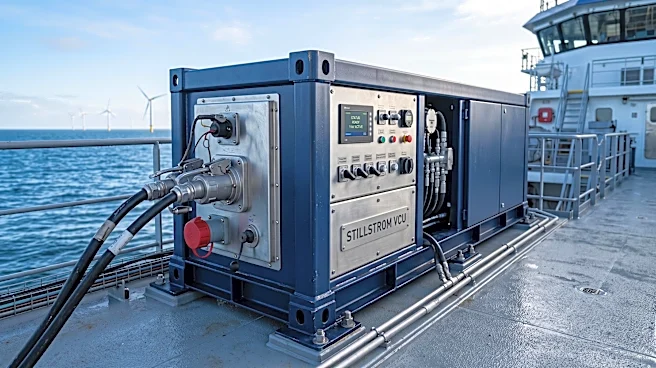
Beach's Technology Advancement Program (TAP) and SWIFT Program, along with a Volkswagen Environmental Mitigation Trust grant. The conversion involves replacing the tug's twin diesel engines with an Arc electric powertrain, which will include a 2 MWh battery bank, electric motors, and a DC fast-charge inlet. Naval architecture firm Glosten is leading the vessel engineering, adapting the tug to meet U.S. Coast Guard Subchapter M requirements. PMG will undertake the physical modifications, including widening the vessel and constructing a new deck and pilothouse. Following commissioning, the 'Harbor Sentinel' will undergo a 12-month demonstration period from PMG’s Long Beach terminal, during which Arc will collect performance data and report to the Port.
Why It's Important?
This conversion project is a significant step in California's broader efforts to improve air quality and reduce emissions from maritime operations, aligning with initiatives by the California Air Resources Board (CARB). By electrifying a working harbor tug, the project aims to demonstrate the technical and economic viability of repowering existing commercial vessels with electric propulsion systems. Success in this demonstration could pave the way for wider adoption of similar technologies across the U.S. maritime industry, contributing to cleaner port environments and reduced reliance on fossil fuels. It also highlights the role of port authorities and environmental grants in fostering innovation and sustainable practices within the transportation sector, potentially influencing future policy and investment in green maritime technology.
What's Next?
Following the engineering and conversion phases, the 'Harbor Sentinel' will undergo commissioning and then return to service for a 12-month demonstration period. During this time, Arc will meticulously collect data on the tug's performance, operational efficiency, and charging patterns. Quarterly reports will be submitted to the Port of Long Beach, culminating in a final report that evaluates the technology's effectiveness and its potential for broader commercial application. The project's outcomes will be crucial for informing future decisions regarding the electrification of other commercial vessels and could influence regulatory frameworks for maritime emissions. The U.S. Coast Guard's review of Arc's systems and components will also be a key step before the tug's full operational deployment.
Beyond the Headlines
The 'Harbor Sentinel' conversion project extends beyond immediate environmental benefits, touching upon broader implications for energy infrastructure and workforce development. The successful integration of a 2 MWh battery system into a working tug could drive demand for advanced battery technologies and charging infrastructure in port areas, potentially spurring innovation in energy storage solutions. Furthermore, the project may necessitate new skill sets within the maritime workforce for operating and maintaining electric propulsion systems, leading to training programs and job creation in green technology. This initiative also serves as a practical case study for how public-private partnerships, supported by environmental grants, can accelerate the transition to sustainable transportation, offering a model for other industries facing similar decarbonization challenges.