
What's Happening?
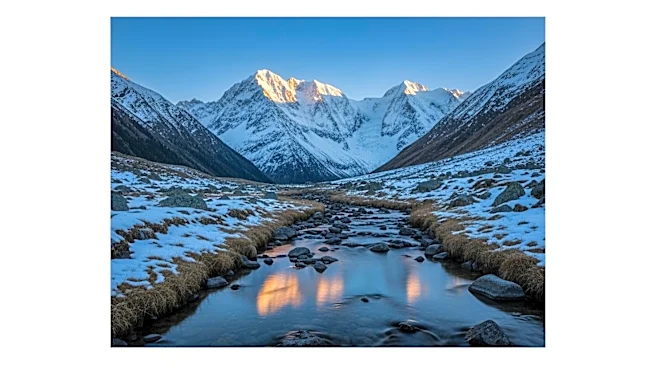
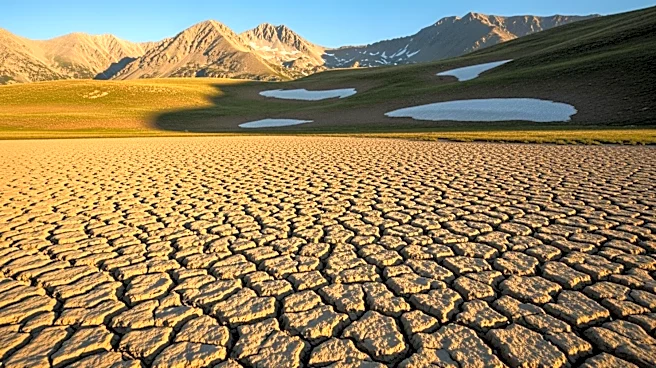
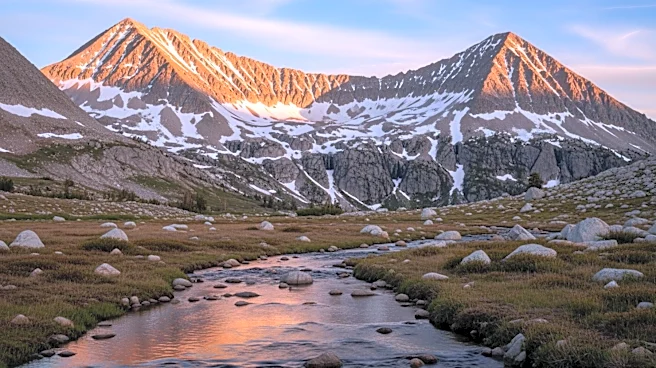
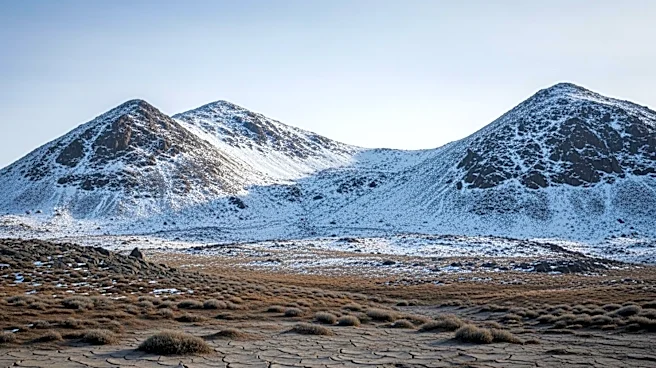
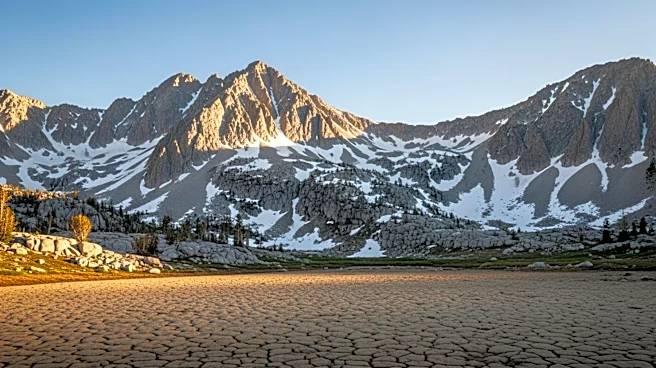
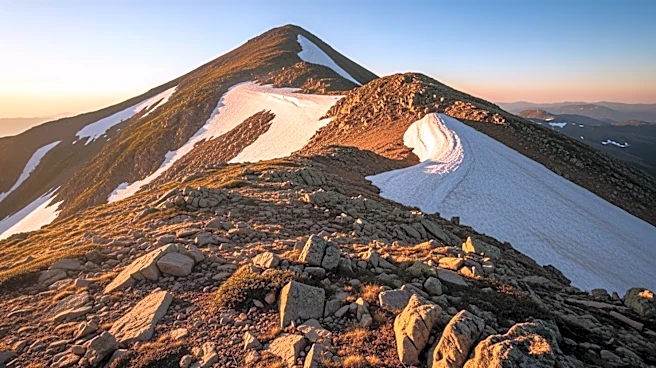
California is entering its dry season with significantly less snow than usual, raising concerns about potential drought conditions. According to the Department of Water Resources, the state has only 18% of the snowpack typically expected by the end of winter.
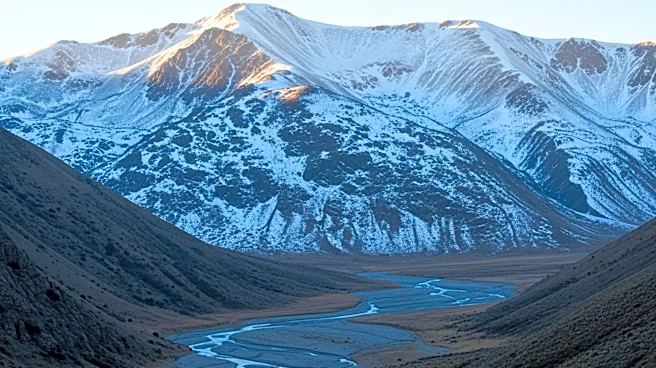
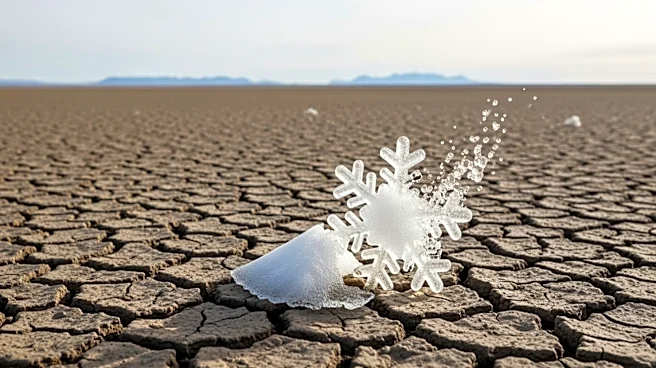
The northern Sierra Nevada range is particularly affected, with just 6% of normal snow levels, while the central and southern regions have 21% and 32%, respectively. This shortfall is attributed to warmer winter storms that brought more rain than snow, filling lakes and reservoirs but failing to build a sufficient snowpack. The snowpack, which acts as a natural reservoir, peaked in late February and was subsequently diminished by record warm temperatures in March. This situation could lead to increased drought conditions, heightened wildfire risks, and stress on agricultural and wildlife resources as water supplies dwindle.
Why It's Important?
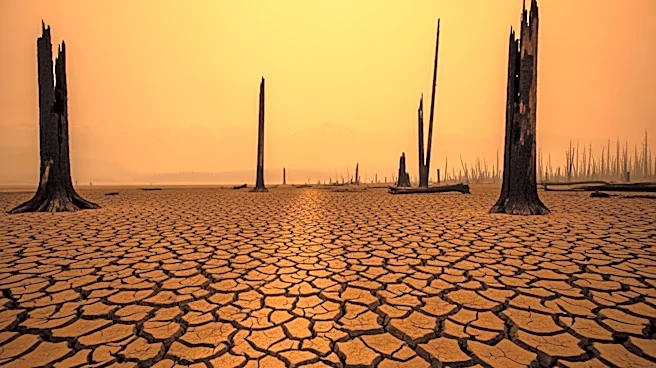
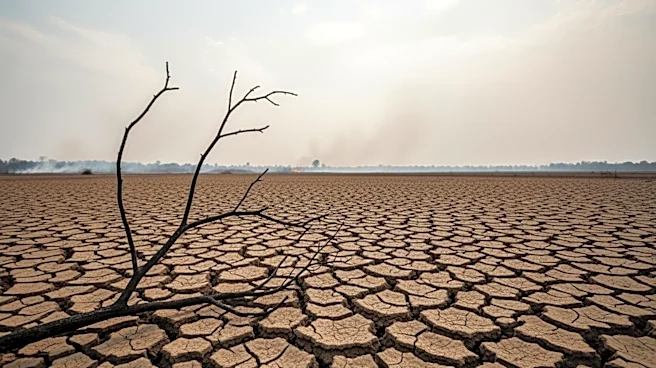
The reduced snowpack in California has significant implications for water availability, agriculture, and wildfire management. Snowmelt is a crucial water source for the state, supporting residential, agricultural, and ecological needs. With less snow, there is a risk of water shortages, which could impact crop yields and increase the likelihood of wildfires as vegetation dries out. The situation underscores the vulnerability of California's water supply system to climate variability and highlights the need for effective water management strategies. The potential for increased wildfires also poses a threat to communities and ecosystems, necessitating preparedness and mitigation efforts.
What's Next?
As California moves into its dry season, state agencies and local governments will need to monitor water levels closely and implement conservation measures to manage limited resources. There may be increased pressure on policymakers to develop long-term solutions for water sustainability and wildfire prevention. The agricultural sector may need to adapt to reduced water availability, potentially affecting crop choices and irrigation practices. Additionally, public awareness campaigns may be necessary to encourage water conservation among residents. The state will likely continue to explore technological and policy innovations to address these challenges.