






What's Happening?
Russia has expressed its willingness to mediate between the United States and Iran to help restore peace in the Middle East. This development follows recent US and Israeli military actions against Iran. Russian President Vladimir Putin met with Iranian
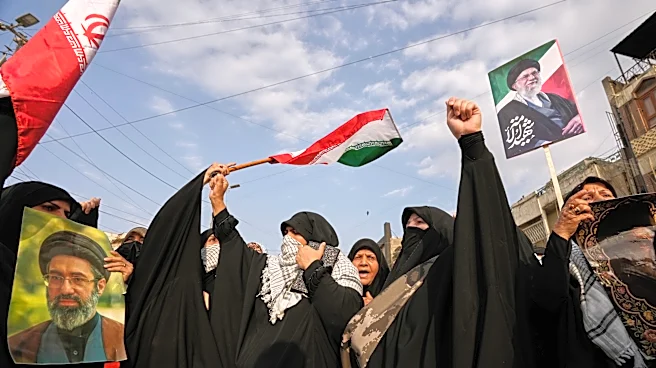
Foreign Minister Abbas Araghchi, signaling Iran's desire for increased support from Russia. The Kremlin, through spokesman Dmitry Peskov, has offered mediation services that could be acceptable to both the US and Iran. This move aligns with Russia's interest in promoting a multi-polar world order and reducing US influence. Iran, which has been a long-time ally of Russia, is seeking more robust support amid ongoing tensions with the US.
Why It's Important?
The potential mediation by Russia in the US-Iran conflict could have significant geopolitical implications. Russia's involvement may alter the balance of power in the Middle East, potentially reducing US influence in the region. This development could also impact global energy markets, given Iran's role as a major oil producer. Additionally, Russia's mediation efforts may affect its relations with other global powers, including China, which is also monitoring the situation closely. The outcome of these mediation efforts could influence future diplomatic and military strategies in the region.
What's Next?
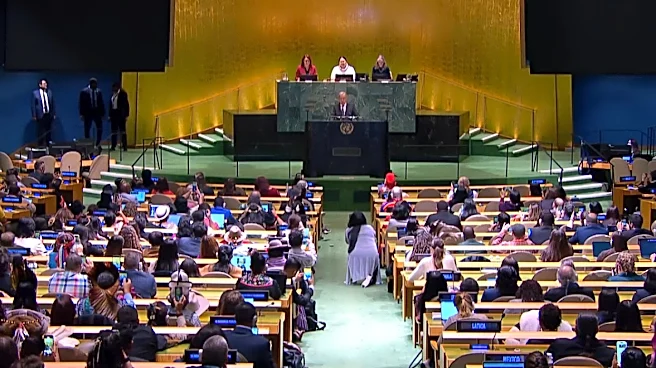
If Russia's mediation offer is accepted, it could lead to new rounds of diplomatic talks between the US and Iran. However, the success of such talks would depend on the willingness of both parties to compromise and the ability of Russia to act as an impartial mediator. The international community, including the United Nations, may also play a role in facilitating these discussions. The outcome of these talks could have long-term implications for regional stability and international relations.